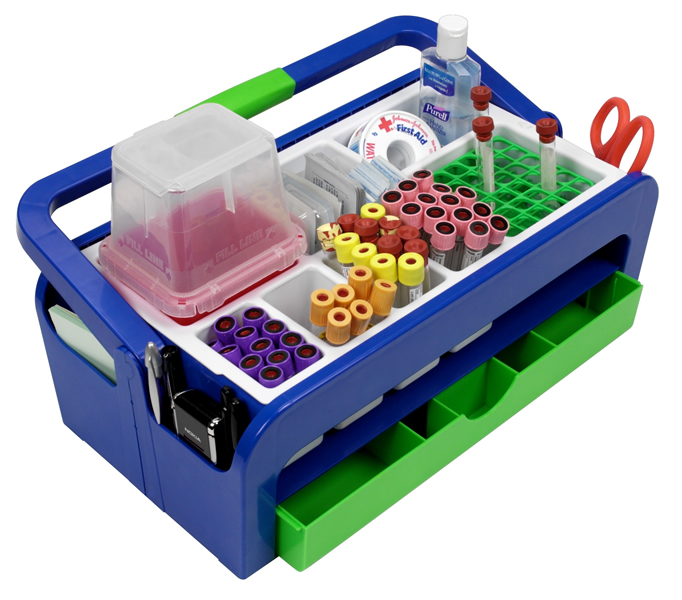
Mastering Medical Assistant Phlebotomy: Essential Skills & Career Insights for Aspiring Healthcare Professionals
Embarking on a career as a medical assistant with a specialization in phlebotomy offers a rewarding pathway into the healthcare industry. Phlebotomy, the art of drawing blood, is a fundamental skill that healthcare providers rely on to diagnose, monitor, and treat a myriad of health conditions. Whether you’re just starting out or looking to refine your skills, mastering medical assistant phlebotomy opens doors to numerous career opportunities while making a tangible difference in patients’ lives.
Understanding Phlebotomy and Its Role in Healthcare
Phlebotomy is more than just drawing blood; its a critical component of diagnostic testing and patient care. As a medical assistant specializing in phlebotomy, you’ll be responsible for collecting blood specimens accurately, ensuring patient safety, and maintaining specimen integrity throughout the process. Your proficiency directly impacts the quality of laboratory results, affecting diagnosis and treatment decisions.
Essential Skills for Mastering Medical Assistant Phlebotomy
To excel in phlebotomy, aspiring medical assistants must develop a blend of technical, interpersonal, and organizational skills. Here’s a detailed breakdown of essential phlebotomy skills:
Technical Skills
- Knowledge of Anatomy: Understanding vein locations, anatomy, and physiology to perform safe and efficient blood draws.
- Proper Collection Techniques: Mastering venipuncture and capillary puncture methods.
- Equipment Handling: Using needles,tourniquets,collection tubes,and safety devices correctly.
- Specimen Labeling & Handling: Ensuring accurate labeling and proper storage to maintain specimen integrity.
Interpersonal skills
- Patient Communication: Explaining procedures clearly and reassuring anxious patients.
- Empathy and Patience: Providing compassionate care, especially to pediatric or fearful patients.
- Team Collaboration: Working effectively with physicians, lab staff, and other healthcare team members.
Organizational Skills
- Time management: Efficiently managing appointments and specimen collection schedules.
- Record Keeping: Maintaining accurate patient and laboratory records.
- Hygiene & Safety Protocols: Adhering to strict infection control and safety standards to prevent contamination or needlestick injuries.
Training and Certification for Phlebotomy Success
Proper training is crucial for developing proficiency in phlebotomy. Programs frequently enough include classroom instruction, hands-on lab work, and clinical rotations. Certification not only validates your skills but also enhances job prospects.
| Certification Provider | Requirements | Benefits |
|---|---|---|
| american Society for Clinical pathology (ASCP) | High school diploma & clinical experience | Widely recognized,increases employability |
| National healthcareer Association (NHA) | Completion of accredited program | Credential: Certified Phlebotomy Technician (CPT) |
| American Medical Technologists (AMT) | Training & clinical hours | Certified Medical Assistant with Phlebotomy specialty |
Practical Tips to Improve Your Phlebotomy skills
- Practice Regularly: Hands-on practice is essential; seek clinical opportunities or labs.
- Use Tourniquets effectively: Proper application improves vein visibility without causing discomfort.
- Choose the Right Equipment: Use appropriate needle sizes and collection tubes based on patient needs.
- Stay Calm and Confident: confidence minimizes patient anxiety and increases success rates.
- Stay updated on Safety Protocols: Follow OSHA guidelines and CDC standards to prevent infections and injuries.
Career Opportunities for Medical Assistants in Phlebotomy
Medical assistants with phlebotomy skills find employment across various settings:
- Primary care clinics
- Hospitals and urgent care centers
- Laboratories
- Specialty clinics (cardiology, endocrinology, etc.)
- Mobile blood donation units
Salary Expectations and Job Outlook
The demand for qualified phlebotomy-trained medical assistants continues to grow. According to the U.S. Bureau of Labor Statistics, the average annual salary ranges from $30,000 to $40,000, depending on experience and location.With healthcare expanding, opportunities for advancement and specialization are abundant.
Benefits of Mastering Phlebotomy as a Medical Assistant
- Enhanced Employability: Specialization sets you apart in a competitive job market.
- Personal Fulfillment: Contributing directly to patient care.
- Job Flexibility: Opportunities in diverse healthcare environments.
- Professional Growth: Foundation for advanced healthcare roles.
Real-Life Case Study: A Day in the Life of a Phlebotomy Medical Assistant
Meet Lisa, a dedicated medical assistant specializing in phlebotomy at a busy outpatient clinic. Her day begins with reviewing scheduled patient tests, followed by explaining procedures to nervous patients. Using her technical skills, Lisa performs venipunctures efficiently, ensuring minimal discomfort. She maintains meticulous records and ensures specimen integrity. Her compassionate approach helps ease anxious patients, leading to smooth operations and accurate lab results. Lisa’s continuous learning and practice have made her a confident and skilled phlebotomist, opening doors to further career advancement.
Conclusion
Mastering medical assistant phlebotomy is a vital skill that combines technical expertise, patient care, and organizational excellence.By developing essential skills, obtaining proper certification, and gaining practical experience, aspiring healthcare professionals can build a rewarding career in this specialized field. Whether you’re aiming to work in hospitals, clinics, or laboratories, excelling in phlebotomy not only enhances your employability but also allows you to make a tangible difference in patient outcomes. Invest in your training, practice diligently, and stay updated on industry standards-your journey to becoming a proficient medical assistant phlebotomist begins here.