Top Ways to Earn Your Phlebotomy Certificate: Find the Best training programs near You
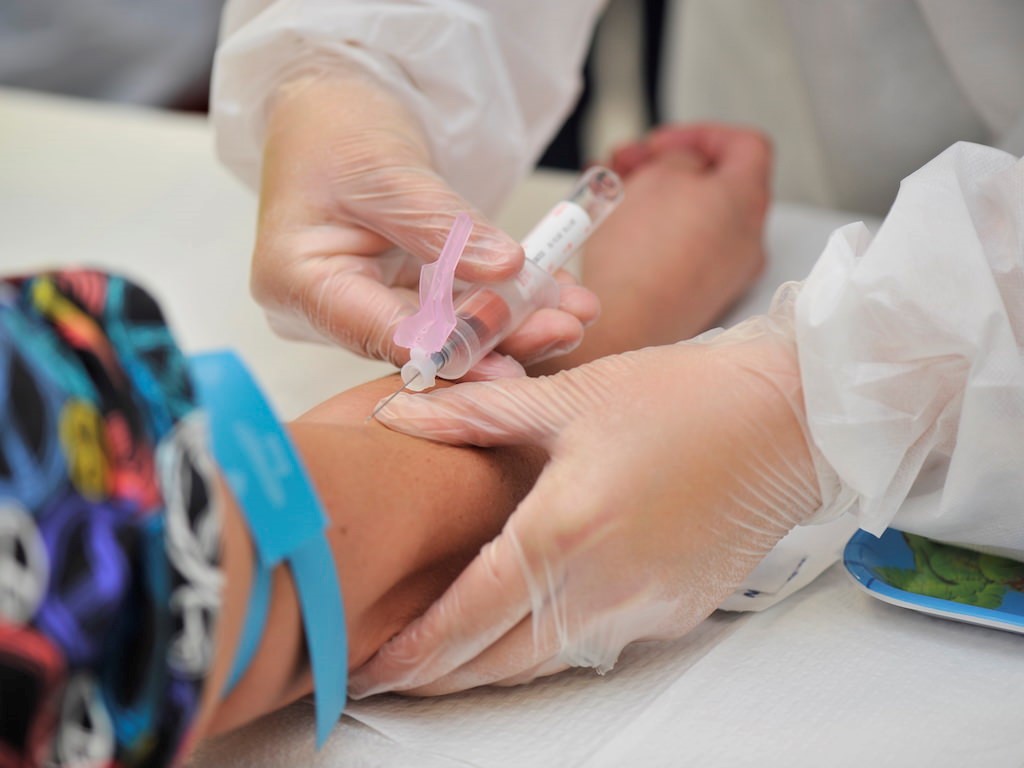
If you’re considering a rewarding entry into healthcare, a phlebotomy certificate is a strong launching pad. Phlebotomists are essential frontline workers who collect blood samples, perform venipuncture and capillary punctures, and ensure samples are properly labeled and handled for diagnostic testing. The demand for skilled phlebotomy technicians continues to grow as hospitals, clinics, and diagnostic labs expand. This comprehensive guide breaks down the best ways to earn your phlebotomy certificate,how to find top training programs near you,and practical tips to set you up for success.
Why earn a phlebotomy certificate?
Grabbing a phlebotomy certificate offers many immediate benefits. It’s typically an accessible entry point into healthcare, it can be completed in a matter of months, and it opens doors to more advanced medical roles down the line. Plus,certified phlebotomy technicians often enjoy steady demand,competitive entry-level pay,and opportunities for advancement with additional certifications or degrees.
- Low barrier to entry compared with more extensive health professions programs
- Hands-on training in venipuncture, specimen handling, and patient interaction
- Clear path to entry-level roles in hospitals, clinics, blood banks, and diagnostic labs
- Foundation for pursuing advanced certifications or roles in phlebotomy supervision, lab tech, or nursing
Common paths to earning your phlebotomy certificate
There are multiple routes to obtain your phlebotomy certificate. Each path has its own advantages, scheduling options, and cost considerations. Below are the most common options, along with what to expect from each.
1) Community colleges and public vocational schools
Community colleges and state-run vocational schools are among the most popular avenues for phlebotomy training. They usually offer stand-alone phlebotomy certificate programs that combine classroom instruction with clinical externships. Programs are often accredited or nationally recognized, making certification exam readiness straightforward.
- Typical duration: 2-6 months (part-time) or 4-12 months (full-time)
- Clinical externships: Yes, arranged through the school with local labs or hospitals
- Cost: Generally $1,000-$5,000, depending on the district and resources
2) Hospital-based or healthcare system programs
Hospitals and health systems sometimes offer phlebotomy training for aspiring technicians. These programs can be highly hands-on and provide direct access to real-world clinical environments.They may be more selective, but graduates often have improved job placement prospects due to established connections with the employer.
- Typical duration: 3-9 months
- Clinical exposure: Extensive,with direct hospital settings
- Cost: often lower or covered by the employer; sometimes requires a work commitment
3) Private vocational schools and for-profit career programs
Private phlebotomy schools focus specifically on certificate-level training. They can be shorter in duration and offer flexible scheduling, including evening and weekend cohorts. As with any private program, it’s important to verify accreditation, pass rates, and partnerships with clinical sites.
- Typical duration: 1-6 months
- Clinical components: Mandatory externship or on-site practise
- Cost: $2,000-$6,000
4) Online or hybrid programs with in-person clinicals
Online phlebotomy certificate programs are increasingly common,especially for foundational knowledge like anatomy,safety,infection control,and specimen handling. Though, hands-on venipuncture skills must be learned in person. Look for programs that offer structured in-person labs or arrange clinical externships in your area.
- Typical duration: 6-12 weeks (online components plus in-person training)
- Clinical requirements: Yes, in-person externship
- Cost: $1,500-$4,000
5) Apprenticeships and on-the-job training
Some healthcare employers offer on-the-job training or apprenticeships for aspiring phlebotomists. You might start in a related role (e.g., patient care tech, CNA) and transition into phlebotomy with formal certification later. This route can be highly practical but may require you to secure a job first.
- Typical duration: Varies; frequently enough 6-12 months to certification readiness
- Clinical exposure: On-the-job with guidance from experienced staff
- Cost: Often minimal; might potentially be paid if employed
6) Short-term bootcamps and intensive workshops
Intensive bootcamps provide focused, hands-on practice in venipuncture, specimen collection, and safety, often within a few weeks. They can be a good option if you already have a healthcare background, but ensure the program includes clinical hours and is aligned with the certifying bodies.
- Typical duration: 2-8 weeks
- Clinical hours: Required externally via externships
- Cost: $1,000-$3,500
What to look for when choosing a phlebotomy training program
Selecting the right training program is crucial to your success. Here are the factors that matter most when evaluating options near you:
- Accreditation and certification alignment: Verify that the program is accredited and prepares you for national phlebotomy certification exams from bodies such as ASCP, NHA, or AMT.
- Hands-on clinical experience: Ensure the program includes sufficient venipuncture practice and clinical externships at real facilities.
- Program length and adaptability: Consider your schedule,whether you need evenings/weekends,and the total duration to certification.
- Cost and financial aid: Compare tuition, registration fees, and available scholarships or payment plans.
- Job placement and pass rates: Look for graduate placement data and the program’s certification exam pass rates.
- Reputation and student support: Read reviews, talk to alumni, and assess career services and tutoring.
Choosing the right certificate and certification exams
After completing your training, you’ll likely pursue a national phlebotomy certification. Several credible certifying bodies exist,and each has specific eligibility requirements. Common options include:
- ASCP certification: Phlebotomy Technician (PBT) exam
- NHA Certification: Certified Phlebotomy Technician (CPT)
- AMT Certification: LPN or phlebotomy Technician track (varies by program and year)
Tips for exam readiness:
- Choose a program that aligns with the certification you intend to pursue. Many programs explicitly prepare you for the chosen exam.
- Practice venipuncture and capillary puncture techniques under supervision.
- Review safety protocols, HIPAA basics, specimen labeling, and transport requirements.
- Take practice exams if available through the certifying body or your program.
How to find phlebotomy training programs near you
Finding the right program close to your home or work can save time and improve your chances of completing the program. Here are practical steps to locate top options in your area.
- Start with a targeted search: Use searches like “phlebotomy certificate program near me,” “phlebotomy training [your city],” or “phlebotomy classes [ZIP code].”
- Check local community colleges and vocational schools: They typically offer affordable, credentialed programs with clear externship pathways.
- Ask healthcare employers and hospitals: Some institutions sponsor or host in-house training programs for aspiring phlebotomists.
- Explore private phlebotomy schools: Compare curriculum quality, externship partners, and graduate outcomes.
- Verify externship and clinical site availability: Ensure the program has partnerships with laboratories,clinics,or hospital phlebotomy departments in your area.
- visit campuses or attend information sessions: Meet instructors,review facilities,and ask about schedules and support services.
- Evaluate financial aid options: Check for scholarships, employer reimbursement, or installment plans to help cover tuition.
Program comparison: types of phlebotomy training
| Program Type | Typical Duration | Clinical Hours/Externship | Estimated Cost | Pros | Cons |
|---|---|---|---|---|---|
| Community Collage Certificate | 2-6 months | 40-100 hours | $1,000-$4,000 | Solid foundation,credit-bearing; good transfer options | Less flexibility for working students |
| Hospital-Based Training | 3-9 months | Extensive clinical exposure | Often lower cost or employer-sponsored | Direct job-networking opportunities | Fewer locations; competitive entry |
| Private Vocational School | 1-4 months | Externship required | $2,000-$6,000 | Shorter duration; flexible scheduling | variable quality; ensure accreditation |
| Online Program with In-Person Clinicals | 6-12 weeks (online) | Clinical hours arranged locally | $1,500-$4,000 | Convenient; often self-paced | Requires reliable access to clinical sites |
Benefits and practical tips for success
Beyond earning a certificate,you’ll want to plan for success in job placement and ongoing professional development. Here are practical tips to maximize your outcomes:
- Choose a program that aligns with your local job market. Look for schools with strong connections to regional hospitals and labs.
- Get hands-on practice early. The more venipunctures you perform under supervision, the more confident you’ll be.
- Practice patient communication. Technical skill matters, but patient comfort and clear explanations are equally important.
- Prepare for certification exams while you train. Use practice tests and flashcards for core concepts.
- Budget for self-study materials and licensure costs. Some employers offer reimbursement after you’re certified.
- Build a professional resume that highlights clinical experience, lab safety, and patient interaction skills.
First-hand experience: a look at real journeys to certification
Hearing from people who have walked the path can be incredibly motivating. Here’s a concise anonymized story to illustrate what you might expect:
“I worked as a medical assistant for two years and decided to specialize. I enrolled in a 4-month phlebotomy certificate program at a local community college. The course blended classroom learning with a 100-hour externship in a regional hospital lab. I practiced venipuncture on classmates and then with real patients under supervision. After passing the national certification exam, I landed a role in the hospital’s outpatient lab within weeks. The hands-on practice and supportive instructors made all the difference.”
Case studies: outcomes you can model
- Case Study A: Part-time student completes a 6-month program at a community college, leveraging their lab externship to secure a night-shift role in a regional hospital lab.
- Case Study B: online program with in-person externships leads to a first-job placement at a private clinic and subsequent promotion to lead phlebotomy tech as experience grows.
- Case Study C: hospital-based program with a guaranteed externship increases job offers for graduates; emphasis on patient communication reduces specimen rejection rates.
Frequently asked questions (FAQs)
- Do you need a phlebotomy certificate to work as a phlebotomist? Requirements vary by state and employer, but most healthcare facilities prefer or require a recognized certificate and passing a national certification exam.
- how long does it take to become a phlebotomist? Most certificate programs take 2-6 months, with some hospital-based tracks extending to 9-12 months depending on scheduling and externships.
- Is online phlebotomy training valid? Yes, provided that the program includes a hands-on externship and is aligned with national certification standards.
- can I work while training? Many programs offer part-time or evening options to accommodate working students.
Conclusion: your path to a certified phlebotomy technician
Pursuing a phlebotomy certificate is a smart, tangible step toward a stable and meaningful healthcare career. By choosing a program that blends comprehensive classroom instruction with robust clinical experience, you’ll build the technical skills, safety awareness, and patient-care confidence needed to excel as a phlebotomy technician. Whether you opt for a community college program, a hospital-based track, a private school, or a well-structured online format with local externships, the key is to prioritize hands-on practice, certification readiness, and strong job placement support. Start your search for phlebotomy training near you today, compare programs, visit campuses or information sessions, and take the first step toward becoming a certified phlebotomy technician who makes a difference in patient care.
If you’re ready to start, consider mapping out your timeline, securing financial aid options, and reaching out to local labs about externship opportunities. With the right program and preparation, you’ll be well on your way to earning your phlebotomy certificate and entering a healthcare field with growing demand and rewarding prospects.