Top Responsibilities of a Phlebotomist: Essential Duties and skills Explained
If your considering a career in healthcare, becoming a phlebotomist is an excellent choice. These skilled professionals play a crucial role in diagnosing and monitoring patient health by collecting blood samples accurately and safely. But what exactly are the core responsibilities of a phlebotomist? In this comprehensive article, we’ll explore the essential duties, necessary skills, and practical insights to help you understand what it takes to excel in this vital healthcare role.
Understanding the Role of a Phlebotomist
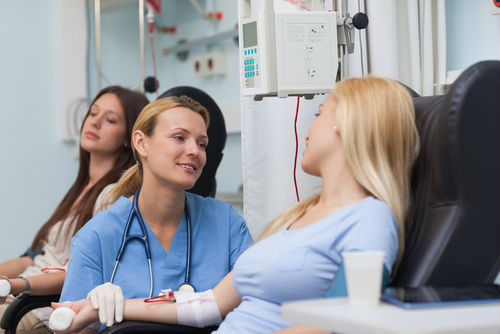
A phlebotomist is a trained medical professional responsible for drawing blood from patients for laboratory testing, transfusions, donations, or research. their work demands precision,compassion,and strong interpersonal skills,as they often interact with patients who may be anxious or scared about blood draws.
Along with blood collection, phlebotomists perform a variety of other duties that are integral to patient care and laboratory efficiency. Let’s dive into the top responsibilities that define this essential healthcare role.
Core Responsibilities of a Phlebotomist
1. Patient Readiness and Assessment
- verifying patient identity: Ensuring the correct match between the patient and the specimen through proper identification protocols.
- explaining procedures: Calmly informing patients about the blood draw process to reduce anxiety.
- assessing health status: recognizing signs of distress or medical conditions that may affect the blood collection process.
2. Blood sample Collection
- Venipuncture: Using needles and collection tubes to draw blood from veins, ensuring minimal discomfort.
- Capillary puncture: Performing skin punctures on fingertips or heel for infants or small blood samples.
- Proper technique: Following strict protocols to prevent contamination or sample mishandling.
3. Specimen Handling and Labeling
- Label the samples accurately: Including patient information, date, and time of collection.
- Transport samples: Ensuring samples are stored and transported under proper conditions to the laboratory.
- Maintain sample integrity: Avoiding hemolysis, contamination, or degradation.
4. Ensuring Safety and Compliance
- Infection control: Adhering to universal precautions, using personal protective equipment (PPE).
- Equipment sterilization: Sanitizing needles, tourniquets, and other tools after use.
- Following regulations: Complying with OSHA, HIPAA, and other healthcare standards.
5. Maintaining a Clean and Organized Work Surroundings
- Preparation of supplies: Ensuring all necessary equipment is sterile and accessible.
- Cleanup procedures: Disposing of sharps and biohazard waste safely.
- Documentation: Keeping detailed records of all collected samples and procedures.
6. Documentation and Record-Keeping
Accurately recording patient information, collection times, and any issues encountered during blood draws is crucial for maintaining laboratory integrity and compliance with healthcare regulations.
7. Communicating with Patients and Healthcare Professionals
- Providing patient comfort: Offering reassurance and responding to concerns.
- Collaborating with lab personnel: Ensuring proper transfer of samples and information.
- Reporting anomalies: Notifying supervisors of any difficulties or irregularities during collection.
Essential Skills and Qualities of a Phlebotomist
Beyond technical knowledge,a accomplished phlebotomist should possess certain skills and personal qualities:
| Skill / Quality | Description |
|---|---|
| Attention to detail | Ensures samples are correctly labeled and procedures follow protocols. |
| Good interaction | Soothes anxious patients and communicates effectively with healthcare teams. |
| Steady hands and dexterity | Performs blood draws with precision and minimal discomfort. |
| Empathy and patience | Comforts patients, especially those with needle phobia or health concerns. |
| Knowledge of safety standards | Follows infection control and safety guidelines rigorously. |
| Physical stamina | Handles long shifts and physically demanding tasks effectively. |
Benefits and Practical Tips for Aspiring Phlebotomists
Embarking on a career as a phlebotomist can be highly rewarding. Hear are a few benefits and practical tips to excel in this profession:
- Benefits:
- High employment demand in hospitals, clinics, and blood donation centers
- Opportunity to develop valuable healthcare skills
- fulfilling role in patient care and diagnostics
- Practical tips:
- Get certified through accredited programs to boost credibility
- Practice proper technique and safety protocols consistently
- Build rapport with patients to improve cooperation
- Stay updated with the latest healthcare standards and innovations
Case Study: A Day in the Life of a Phlebotomist
Meet Laura, a certified phlebotomist working in a busy outpatient clinic. Her day involves:
- Preparing blood collection supplies before patient arrivals
- Greeting patients and explaining procedures to alleviate anxiety
- Performing venipunctures with skill and care
- Labeling and transporting samples to the laboratory
- Maintaining meticulous records and adhering to safety protocols
- Addressing unexpected challenges like challenging venous access or patient discomfort
Laura’s role exemplifies the diverse responsibilities and skills required to succeed as a phlebotomist.
Conclusion
The responsibilities of a phlebotomist are diverse and vital to healthcare operations. From patient interaction and blood collection to specimen handling and safety compliance, these professionals ensure that blood samples are collected accurately and safely, supporting diagnostic and treatment processes. If you’re detail-oriented, compassionate, and interested in the healthcare field, a career as a phlebotomist offers a rewarding opportunity to make a difference in patients’ lives.
By understanding and mastering these essential duties, aspiring phlebotomists can excel in their roles and contribute meaningfully to the broader medical community. Whether you’re just starting your training or looking to refine your skills, recognizing these responsibilities is the first step toward success in this essential healthcare profession.