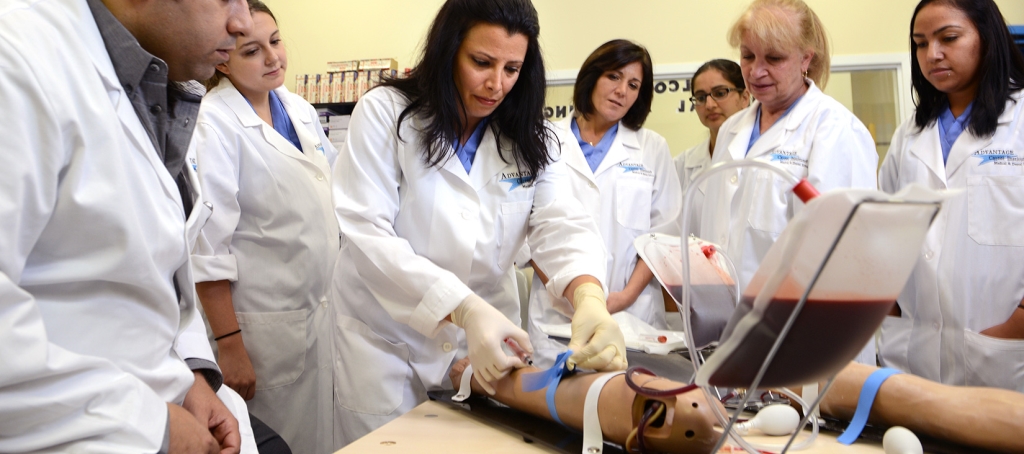
Top Providers of Phlebotomy Certification: Your Guide to Certified Healthcare Careers
Embarking on a career in healthcare as a certified phlebotomist can be both rewarding and fulfilling. Phlebotomy technicians play a vital role in medical settings by drawing blood for tests, donation, and research, making their skills essential in hospitals, clinics, and laboratories. If you’re considering this career path, obtaining certification from reputable providers is a crucial step. This thorough guide will introduce you to the top providers of phlebotomy certification, outline their offerings, and provide practical tips to help you succeed in your certification journey.
Why Is Phlebotomy Certification Important?
Whether you’re just starting or looking to advance your healthcare career,certified phlebotomists enjoy numerous benefits,including:
- Enhanced job prospects in hospitals,outpatient clinics,and blood donation centers
- Higher earning potential compared to non-certified counterparts
- Recognition of professional skills and credibility in the healthcare industry
- Opportunities for career advancement into supervisory or specialized roles
To ensure you meet industry standards,choosing a reputable certification provider is essential. Let’s explore the leading organizations that offer recognized phlebotomy certification programs.
Top Providers of Phlebotomy Certification
1. National Healthcareer Association (NHA)
The NHA is one of the most respected certification bodies in the healthcare industry. Their Certified Phlebotomy Technician (CPT) program is nationally recognized and designed to meet the core competencies required in the profession.
- Accreditation: Nationally accredited by the NCCA
- Training Options: Online courses, in-person training, or a hybrid approach
- Exam format: Multiple-choice exam with practical components
- Certification Validity: 2 years, with recertification requirements
2. American Society for Clinical Pathology (ASCP)
ASCP offers a well-respected Phlebotomy Technician Certification that emphasizes clinical proficiency and laboratory skills.Their program is ideal for those seeking recognition from a premier laboratory organization.
- Accreditation: Recognized by the ASCP Board of Certification (BOC)
- Requirements: High school diploma, completed training, and practical experience
- Exam Format: Computer-based assessments with scenario-based questions
- Certification Validity: 3 years, renewable via continuing education
3. American Medical Certification Association (AMCA)
The AMCA’s Certified Phlebotomy Technician (CPT) program offers flexible learning options and focuses on both theoretical knowledge and practical skills needed for real-world settings.
- Accreditation: Recognized by the National Commission for Certifying Agencies (NCCA)
- Program Format: Online courses with supervised clinical practice
- Exam format: Multiple-choice examination
- Certification Validity: 3 years, with ongoing education options
4. National Phlebotomy Association (NPA)
NPA provides comprehensive certification tailored to entry-level phlebotomists,emphasizing patient care,safety,and professionalism.
- Accreditation: NCCA-accredited programs available
- Training: Classroom, online, or hybrid formats
- Exam Format: Skills exhibition and written test
- Certification Validity: 3-year renewal with continued education
Choosing the Right Certification Provider
When selecting a phlebotomy certification program, consider the following factors:
- Accreditation and recognition: Ensure the provider is accredited and respected within the healthcare industry.
- Course format: Decide whether online, in-person, or hybrid learning fits your schedule and learning style.
- Cost and financial aid: Compare program fees and available financial assistance options.
- Prerequisites and requirements: Confirm eligibility criteria such as education level and clinical experience.
- Recertification process: Understand renewal requirements to maintain your certification status.
Benefits and Practical Tips for Aspiring Phlebotomists
Benefits of Certification
Achieving certification offers numerous advantages,including:
- Job security and better pay in competitive healthcare markets
- Professional recognition and credibility among peers and employers
- Opportunities for specialization in areas like pediatric or electrophoresis phlebotomy
Practical Tips to Prepare for Certification
- Research your preferred provider thoroughly to understand their requirements and offerings.
- gain hands-on experience: Complete clinical practicums or internship programs.
- prepare for the exam: Utilize practice tests, study guides, and online resources offered by certification bodies.
- Join professional associations: Engage with organizations like NHA or ASCP for continued learning and networking.
- Maintain your certification: Keep up-to-date with continuing education to ensure ongoing credential validity.
Case Study: Successful Certification Journey
| Candidate | Provider | outcome |
|---|---|---|
| Jane D. | NHA | Passed the CPT exam on first attempt; secured job at a major hospital; promoted within a year. |
| Mike R. | ASCP | Completed certification online, gained clinical experience, and expanded into specialty phlebotomy. |
| sara L. | AMCA | Achieved certification while working part-time; advanced to lead phlebotomist position. |
Conclusion
Choosing the right provider of phlebotomy certification is a pivotal step toward building a successful healthcare career. With multiple reputable organizations offering recognized credentials,you can select a program that aligns with your schedule,budget,and professional goals. Certification not only enhances job prospects and earning potential but also helps establish your credibility as a competent healthcare professional. Remember,investing in your certification and continuing education paves the way for advancement,specialization,and long-term career satisfaction in the thriving field of healthcare. Start your journey today-get certified and make a difference in patients’ lives!