Top Places Where Phlebotomists Work: career Opportunities and Work Settings Explained
Are you considering a career as a phlebotomist or curious about the common work environments for these vital healthcare professionals? Phlebotomists play an essential role in the medical field by collecting blood samples, which are crucial for accurate diagnosis and treatment. Understanding where phlebotomists work and the diverse career opportunities available can definitely help you make informed decisions about your professional future.In this complete guide, we explore the top workplaces for phlebotomists, what each setting involves, benefits, tips, and real-life insights.
Introduction to Phlebotomy and Career Opportunities
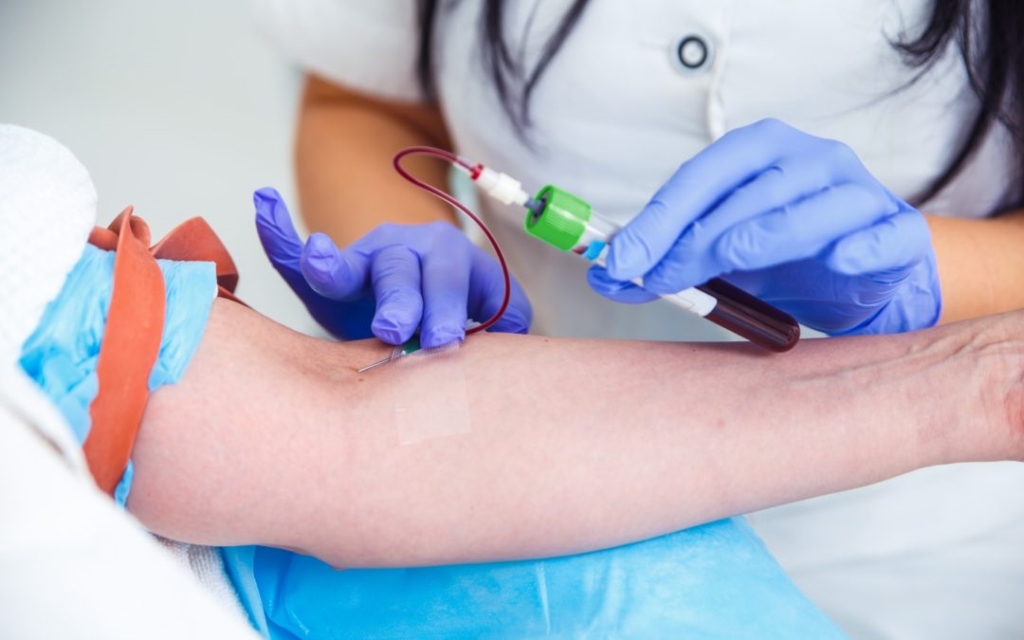
Phlebotomy is a specialized skill set focused on drawing blood from patients for laboratory testing,transfusions,or donations. The demand for qualified phlebotomists continues to grow due to advancements in medical diagnostics and an increased emphasis on preventive healthcare. Consequently, phlebotomists can find employment across many healthcare and community settings, offering a versatile and rewarding career path.
Top Work Settings for Phlebotomists
1. Hospitals and Medical Centers
Hospitals are among the primary employment venues for phlebotomists. Working in hospitals involves handling a high volume of blood draws, often dealing with emergency cases, pediatric patients, and critically ill individuals. These settings require proficiency in fast-paced environments and adherence to strict safety protocols.
2. Diagnostic Laboratories
Diagnostic laboratories are dedicated to analyzing blood samples and other specimens. Phlebotomists in these settings typically perform blood draws on patients referred by physicians, and most of their work is in a controlled, clinical environment. This setting is ideal for those who prefer a stable and predictable work schedule.
3. Blood Donation Centers
Blood banks and donation centers are where phlebotomists collect blood donations from healthy volunteers. This work setting often offers a friendly, community-oriented environment and provides an excellent opportunity to contribute to public health.
4. Outpatient Clinics and Physician Offices
Outpatient clinics and private medical practices employ phlebotomists to perform blood draws during routine checkups or specific medical procedures. These settings tend to have more predictable hours and a calmer atmosphere compared to hospitals.
5. Laboratories in Research Institutions and Universities
Research labs often need skilled phlebotomists to assist with scientific studies involving blood samples. Working in research can be intellectually stimulating and may involve collaboration with scientists and healthcare researchers.
6. Home Healthcare Services
Home healthcare is an expanding field where phlebotomists visit patients at their residences to collect blood samples. This work setting requires excellent interpersonal skills and adaptability but offers the reward of personalized patient care.
7. Mobile Phlebotomy Services
Mobile units serve rural or underserved areas, providing accessible blood collection services. Phlebotomists working in mobile settings often travel and must be flexible with their schedules,making it a dynamic career option.
Work Environment comparison: Where Do Phlebotomists Work?
| Work Setting | Characteristics | Typical Schedule |
|---|---|---|
| hospitals | Fast-paced, high-pressure, diverse patient population | 24/7 shifts, rotating schedules |
| Diagnostic Labs | Controlled environment, routine hours | Day shifts, Monday-Friday |
| Blood Donation Centers | Community-focused, friendly atmosphere | Flexible hours, often evenings/weekends |
| Physician Offices | Calmer, predictable schedule | Standard daytime hours |
| Research labs | Scientific, collaborative | Regular office hours |
Benefits of Working in different Settings
- Hospitals: Fast-paced environment, diverse patient cases, high demand for skills.
- Laboratories: Consistent hours, less physical exertion, professional focus.
- Blood Donation centers: Contributing to community health, friendly work environment.
- Private Practices: Stable hours, one-on-one patient interaction, less stressful.
- Research: Engagement with scientific advancement, intellectual stimulation.
Practical Tips for Aspiring Phlebotomists
- Get Certified: Obtain phlebotomy certification to improve employability and credibility.
- Develop Interaction Skills: Effective communication with patients increases cooperation and reduces anxiety.
- Practice proper technique: Ensure safe blood collection by mastering venipuncture skills.
- Stay Updated on Safety Protocols: Follow OSHA standards and maintain infection control practices.
- explore Different Work Environments: Gain experience in multiple settings to expand your career options.
Real-Life Case Study: A Day in the Life of a Hospital Phlebotomist
Maria, a seasoned hospital phlebotomist, begins her shift at 7:00 AM. She prepares her supplies and reviews her schedule. Throughout the day, she draws blood from a variety of patients, including children and emergency cases. Maria must remain calm and empathetic,especially with anxious patients. Her work requires rapid thinking, precision, and adherence to safety standards. By the end of her shift, Maria has successfully collected over 50 blood samples, contributing crucial data for patient diagnoses. Her experience highlights the importance of technical skill combined with compassionate care in high-pressure settings.
Conclusion
Working as a phlebotomist opens doors to diverse and rewarding career opportunities across numerous healthcare and community settings. Whether you prefer the fast-paced environment of hospitals, the stability of laboratories, or the community-driven atmosphere of blood donation centers, there’s a place for you in this vital field. By understanding the different work environments and acquiring the appropriate certifications and skills, you can find a fulfilling career that not only offers professional growth but also a meaningful way to contribute to public health.
Consider exploring different work settings, gaining practical experience, and continuously updating your knowledge to maximize your career potential. The demand for skilled phlebotomists is expected to grow, making it an excellent choice for those interested in healthcare and patient care.