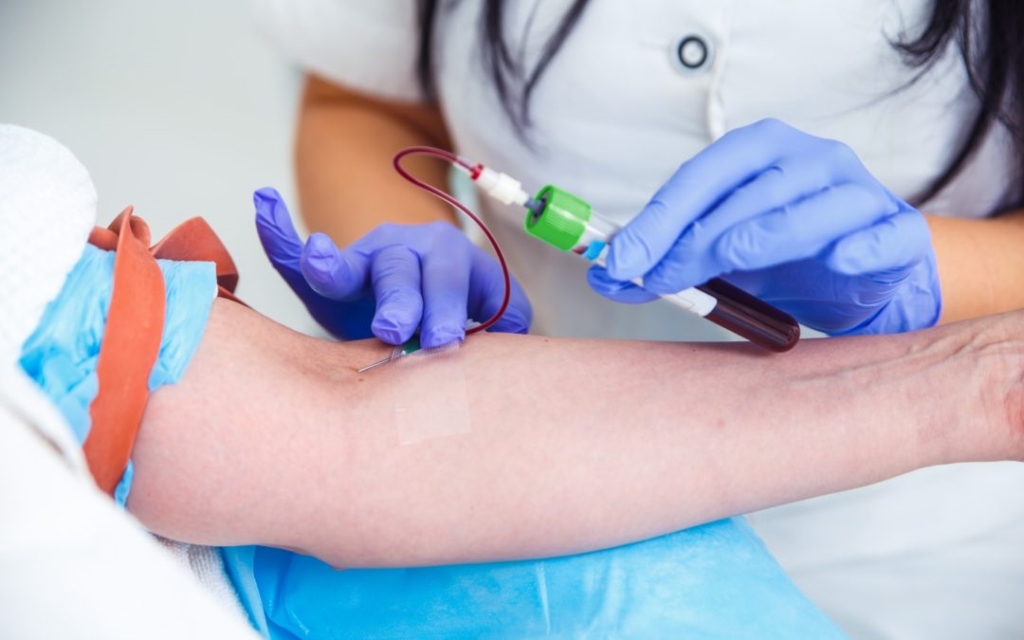
Top NAACLS-Accredited Phlebotomy Programs for Certified Career Success
Phlebotomy is an accessible and rewarding entry point into the healthcare field. A steady demand for skilled phlebotomists exists across hospitals, clinics, laboratories, and diagnostic centers. The best way to position yourself for long‑term career success is to choose a programme that’s NAACLS‑accredited.NAACLS accreditation signals that a program meets national standards for coursework, laboratory training, and clinical externships, which can translate into better job prospects, higher certification pass rates, and smoother transitions into supervisory or more advanced roles in the clinical lab setting.
In this guide, you’ll discover what NAACLS accreditation really means for phlebotomy training, how to evaluate programs, and a practical framework of top program categories to consider. you’ll also find actionable tips,real-world case studies,and a concise program comparison to help you make an confident,well‑informed choice.
Why NAACLS Accreditation Matters for Phlebotomy programs
What NAACLS accreditation guarantees
- Rigorous curriculum aligned with current clinical standards
- Structured clinical externships and hands-on practise in accredited labs
- regular program review and quality assurance processes
- Transparency around outcomes, such as graduate certification pass rates and employment placement
benefits for students and employers
- Higher likelihood of passing national certification exams (e.g., CPT or equivalent) due to standardized training
- Improved readiness for real-world duties like specimen collection, proper labeling, chain of custody, and specimen integrity
- Greater portability of credentials across states with consistent program quality
How to Evaluate NAACLS-Phlebotomy Programs
Choosing the right phlebotomy program involves more than the sticker price. Use this checklist to compare options effectively:
- Accreditation status: Confirm the program is NAACLS-accredited and check the NAACLS Directory for the current status and expiration date.
- Curriculum depth: look for hands-on laboratory hours, a minimum number of venipuncture procedures, and exposure to special collections (e.g., pediatric, elderly, or difficult draw situations).
- Clinical externships: Ensure affiliated clinical sites exist and that externships provide meaningful, supervised patient-care experiences.
- Program length and format: Compare total length,pace (full-time vs. part-time), and delivery method (in-person, hybrid, or online with local in-person labs).
- Cost and financing: Consider tuition, fees, uniform requirements, books, and any lab fees. check options for scholarships or payment plans.
- outcomes and placement: Seek data on graduate employment rates within six months, typical employers, and geographic reach of alumni.
- Student support: Look for tutoring, career services, certification exam prep, and alumni networks.
Top NAACLS-Accredited Phlebotomy program Categories to Consider
Rather than focusing solely on individual institutions, consider the category that best fits your schedule, budget, and career goals. Each category can lead to a NAACLS‑accredited credential and strong job outcomes.
Community College Phlebotomy certificate Programs
Typically affordable, with on-campus labs and local clinical rotations. Ideal for recent graduates and career changers who want a solid foundation and local access.
Private career Colleges and Technical Schools
Frequently enough offer accelerated timelines and focused curricula designed to get you job-ready quickly. Ensure the program is NAACLS-accredited and provides robust externships.
Hospital-Affiliated Training Programs
Strong clinical exposure and direct pathways to hospital employment. These programs can create valuable professional networks but may have selective admission processes.
Hybrid/Online Programs with Local Clinicals
Flexible options for working adults. Look for partnerships with local labs or healthcare facilities to ensure meaningful hands-on experience.
University Certificate Tracks in Phlebotomy
Part of broader health sciences curricula, offering potential pathways to higher-level roles in the clinical lab, and frequently enough providing good transfer opportunities toward further CLS education.
Program snapshot: Quick Reference Table
| Program Category | Typical Delivery | Typical Duration | Estimated Cost Range | NAACLS Status | Ideal For |
|---|---|---|---|---|---|
| community College Certificate | on-site classes + clinicals | 6-12 months | Low to mid range | NAACLS-accredited | Budget-conscious newcomers seeking local job access |
| Private career college | In-person or hybrid | 4-9 months | Moderate | NAACLS-accredited | Fast track to entry-level positions |
| Hospital-Affiliated Training | On-site with clinicals | 3-6 months | Mid-range | NAACLS-accredited | Direct hospital pathway and strong professional connections |
| hybrid/online with Local Clinicals | Online didactics + local externships | 5-12 months | Varies | NAACLS-accredited | Working adults needing flexible scheduling |
| University Certificate Track | Hybrid with some online components | 6-12 months | Mid to higher | NAACLS-accredited | Career progression toward clinical laboratory science roles |
| Continuing Education/Bridge Programs | Mostly online with supervised practica | 3-8 months | Low to moderate | NAACLS-accredited | Credential stacking for expansion into related roles |
Note: Always verify current NAACLS accreditation status for a specific program in the NAACLS Directory. Programs periodically update offerings and partnerships.
Real‑World perspectives: Case Studies and First‑Hand Experience
Case Study 1: Maria’s Path to Certification and a Steady Job
Maria was working a part‑time job while pursuing a flexible, online‑hybrid phlebotomy certificate at a private career college with NAACLS accreditation. the program offered a tight 6‑month schedule and coordinated clinical rotations at a nearby hospital partner. After earning her certificate, Maria sat for the national certification exam and quickly landed a full‑time phlebotomy role at a community hospital. Her story highlights how online theory combined with local clinicals can fit a busy lifestyle and still deliver strong employment outcomes.
Case Study 2: James’ transition from Customer Service to Healthcare
James switched careers from retail to healthcare,choosing a community college program with a robust externship component and career services.Through the hands‑on practice and exam prep resources, James passed the certification exam on the first attempt and secured a position in a large outpatient lab network within three months. His experience demonstrates the value of a program with explicit externships and supportive career services as part of the NAACLS‑accredited curriculum.
Practical Tips to Maximize Your Success in NAACLS-accredited Phlebotomy Programs
- Start researching programs early using the NAACLS Directory to confirm current accreditation status and find nearby options.
- Ask about the number of required sticks during clinical externships and the variety of collection settings (outpatient clinics, hospital labs, specialty settings).
- Prepare for certification early: review the scope of practice, CPT or equivalent exam formats, and sample questions provided by certifying bodies.
- Seek a program with a strong alumni network and ongoing career services, including resume workshops and interview coaching.
- Develop a patient‑centered approach: practice patient communication, specimen labeling, and safety protocols to stand out in interviews.
First-Hand Experience: What Students Say
Many students emphasize the value of hands-on lab time, realistic simulations, and the quality of clinical placements. Perceived benefits frequently enough cited include higher certification success rates, better job placement support, and clearer pathways into entry‑level lab roles. If possible, talk to current students or alumni about their externship experiences and how the program supported them during exam prep and job searching.
Conclusion: Your roadmap to Certified Career Success in Phlebotomy
Choosing a NAACLS‑accredited phlebotomy program is a strategic step toward a stable, growth‑oriented career in healthcare. By prioritizing accreditation, robust clinical experiences, flexible delivery options, and strong outcomes data, you position yourself for accomplished certification and meaningful employment. Use the evaluation framework outlined in this guide to compare programs, consider the category that best fits your life, and leverage available student support services to maximize your chances of success. Remember: the goal is not just to complete a program, but to become a competent, professional phlebotomist who can thrive in a demanding clinical environment.
SEO tip: For better search visibility, incorporate keywords naturally throughout the article, such as NAACLS‑accredited phlebotomy programs, phlebotomy certificate, phlebotomy training, clinical externships, certification exam prep, and phlebotomy employment. Use header tags properly (H1 for the title,then H2/H3 for sections) and include a descriptive meta description as shown at the top.