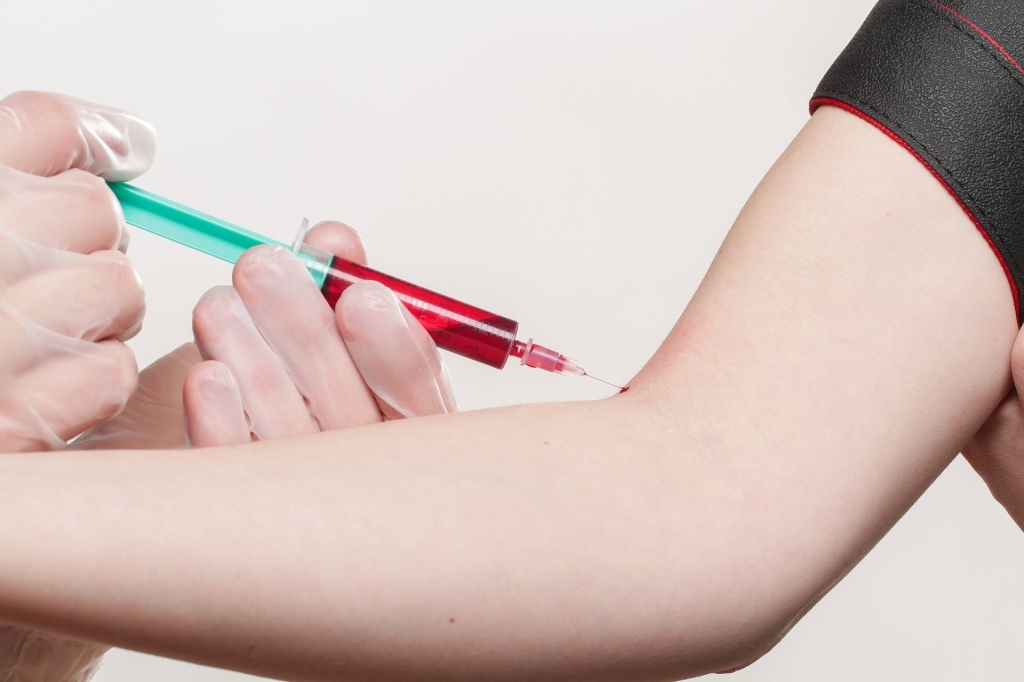
Top Colleges for Phlebotomy Training: Find Your Path to a Healthcare Career
If you’re looking for a fast,practical entry into the healthcare field,phlebotomy is a fantastic option.Phlebotomy technicians are essential in clinics, hospitals, and labs, collecting blood samples for tests, diagnoses, and treatment.A solid phlebotomy training program can open doors to steady work, opportunities for advancement, and a meaningful career helping people stay healthy. In this article, we break down what to look for in a top phlebotomy program, highlight representative colleges with phlebotomy training, and share practical tips to choose the right path for your goals.
What is Phlebotomy and Why It Matters
Phlebotomy is the process of drawing blood for laboratory analysis. It requires precise technique, patient care, and strict adherence to safety and privacy standards. A well-rounded phlebotomy training program typically covers:
- Fundamentals of anatomy and physiology relevant to venipuncture
- Proper blood collection techniques and equipment handling
- Specimen labeling, chain of custody, and patient identification
- Safety protocols, infection control, and OSHA guidelines
- Specimen processing, uploading results, and interaction with the clinical lab
- Certification exam preparation for national credentials (e.g., CPT)
- Hands-on clinical externships to practice in real-world settings
Why pursue phlebotomy training now? The demand for skilled phlebotomy technicians remains strong in hospitals, clinics, blood banks, and diagnostic labs. certification often enhances job opportunities and earning potential, and many programs partner with local healthcare facilities to provide externships that give you real-world experiance before you graduate.
Key Phlebotomy Programs: What Makes a Top Program
When evaluating top phlebotomy programs, consider these factors.They help ensure you gain practical skills, pass certification exams, and launch a healthcare career with confidence.
Look for programs that align with national standards and offer solid CPT (Certified Phlebotomy technician) exam prep through organizations such as ASCP, NHA, or AMT. Programs should provide supervised clinical practice in real settings (hospitals, clinics, or labs) to build confidence in blood draws and patient interaction. Certificate programs often run 4-8 months, with evening or weekend options for working students. Compare tuition, fees, and potential financial aid or scholarships. remember to factor in lab coats, supplies, and exam fees. Some programs offer career services, resume help, and job placement connections with local healthcare employers. Access to modern labs, practice arms for venipuncture, and supportive faculty can make a big difference in your learning experience. Some states require specific certifications or inspections to work as a phlebotomy technician. Ensure your program aligns with your state’s requirements.
Representative top Programs Across the U.S.
Here are representative, well-regarded phlebotomy training options in diverse regions. these examples illustrate the kind of programs to look for at community colleges and technical schools. If you’re searching locally, use these as a model to compare similar offerings near you.
| Institution | Location | Program Title | Typical Length | Delivery / Format | Certification Prep | Notes |
|---|---|---|---|---|---|---|
| Pima community College | Tucson, AZ | Phlebotomy technician Certificate | 4-6 months | In-person with hands-on labs | Prep for CPT exam included or strongly recommended | Strong clinical externship partnerships with local clinics |
| Miami Dade College | Miami, FL | Phlebotomy Technician Certificate | 6-8 months | In-person | Exam prep and practice assessments | Well-established healthcare pathway with job placement support |
| City College of San Francisco | San Francisco, CA | Phlebotomy Technician Certificate | 4-6 months | In-person with labs | national CPT exam prep integrated | Access to city-supported clinical sites and labs |
| Delgado Community College | New Orleans, LA | Phlebotomy Certificate | 6-8 months | In-person | Certificate prep aligned with CPT standards | Externship opportunities in regional healthcare facilities |
| Houston Community College | Houston, TX | Phlebotomy Certificate | 4-6 months | In-person | Extensive CPT exam prep | Flexible scheduling for working students |
| Cuyahoga Community College | Cleveland, OH | Phlebotomy Technician Certificate | 4-7 months | In-person | Exam prep and review sessions | Strong ties to regional hospitals and clinics |
Note: the programs listed above are representative examples of the kinds of phlebotomy certificates offered by established community colleges and technical schools. Availability, exact length, and delivery format can vary by campus and term. Always check current course catalogs and contact the admissions office for the most up-to-date information.
Benefits and Practical Tips for Phlebotomy Training
Benefits of Phlebotomy Training
- Fast entry into the healthcare field with a defined career path
- Competitive entry-level wages with opportunities for wage growth
- Shorter training timelines compared with many other healthcare professions
- Hands-on experience in real clinical settings through externships
- Clear stepping stones to advanced roles in the clinical lab or patient care
Practical Tips to Succeed
- Choose a program with robust externship opportunities and a strong job placement network.
- Prepare for the CPT exam by dedicating time to practice questions and review materials provided by the program.
- Practice venipuncture techniques in a simulated lab environment before working with patients.
- Develop soft skills: patient communication,empathy,and calming anxious patients during blood draws.
- Consider scheduling flexibility if you’re balancing work or family responsibilities.
- Plan your finances early; look for scholarships, payment plans, and financial aid options.
Case Study: Maria’s Path to a CPT Certification
Maria,a recent high school graduate,wanted a healthcare career with a practical training timeline. She enrolled in a four-month phlebotomy certificate program at a local community college that offered hands-on lab practice and an externship. Through the program, Maria gained solid venipuncture technique, learned specimen labeling and safety protocols, and completed a clinical externship at a regional hospital lab. After passing the CPT certification exam,Maria landed a full-time phlebotomy tech position with opportunities to pursue advanced roles in the clinical laboratory. Maria’s story shows how a focused phlebotomy training program can translate into real-world employment quickly while building a foundation for future growth in healthcare.
First-Hand Experience: A Day in the Lab
In a typical phlebotomy training setting, students rotate through simulated labs and clinical sites. A sample day might include:
- Reviewing patient safety and consent procedures
- Assembling and labeling collection containers
- Performing venipuncture on a practice arm or supervised patients
- Labeling specimens, recording patient data, and ensuring correct transport to the lab
- Observing specimen processing and communicating results to a supervisor
This practical sequence helps build confidence and accuracy, which are essential for patient safety and reliable test results.
Financial Considerations and Scholarships
Cost is a common consideration when choosing a phlebotomy program. Typical factors include tuition, lab fees, equipment, uniforms, and certification exam costs. Here are a few strategies to manage costs:
- Explore in-district tuition rates offered by community colleges to save on tuition.
- Look for scholarships or workforce advancement programs that support healthcare training.
- Ask about payment plans or shared lab materials to reduce upfront costs.
- Factor in the total cost of certification exam fees and any required retakes.
How to Find the Right Top Program Near You
To identify the best phlebotomy program in your area, try these steps:
- search your state’s allied health or workforce development portals for approved phlebotomy programs.
- Use keywords like “phlebotomy certificate program,” “phlebotomy technician training,” and “CPT exam prep” when looking at college catalogs and course descriptions.
- Contact admissions offices to confirm externship opportunities, program length, and start dates.
- Ask about pass rates for CPT exams and job placement statistics, if available.
- Attend an information session or campus tour to see facilities and meet instructors.
Frequently Asked Questions
Question: Do I need a degree to become a phlebotomist?
Most phlebotomy roles require a certificate or diploma rather than a four-year degree. A phlebotomy certificate program provides essential hands-on training and prepares you for the CPT certification exam.
Question: How long does phlebotomy training take?
Typical certificate programs last 4-8 months, depending on the institution and schedule. Some programs offer accelerated tracks or part-time options.
Question: Is phlebotomy certification required?
certification requirements vary by state and employer. Many employers prefer or require a national CPT certification (e.g., ASCP, AMT, or NHA). Check your state’s licensing or employment requirements and plan your study accordingly.
Question: What can I do after earning a phlebotomy certificate?
Career paths include working in hospitals, clinics, blood banks, laboratory support, or moving into more advanced roles in healthcare with additional training and education.
Conclusion: Your Path to a Rewarding Healthcare career Starts Here
Phlebotomy training is a practical, efficient route into the healthcare sector.By choosing a top program that blends hands-on practice, externships, and solid CPT certification preparation, you’ll be better positioned to begin a healthcare career that’s stable, meaningful, and capable of growth. Use the criteria outlined in this article to compare programs, review local options, and select a college or technical school that aligns with your schedule, budget, and career goals. The right phlebotomy program can be your first step toward a fulfilling healthcare career-one blood draw at a time.
Take the next Step
Ready to begin your journey? Start by searching for phlebotomy certificate programs near you, review externship opportunities, and contact admissions to learn about start dates, costs, and financial aid options. A focused, hands-on phlebotomy training program can unlock job opportunities in clinics, hospitals, and labs-and set you on a clear path toward a healthcare career with room to grow.