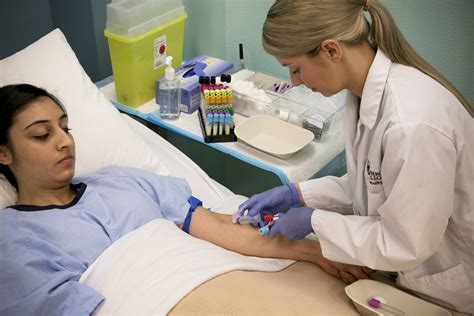
Top Careers in Phlebotomy: How to Land Your Dream Jobs as a Phlebotomy Technician
Are you interested in a rewarding healthcare career that involves helping people and working in a vital medical field? Becoming a phlebotomy technician is an excellent choice for anyone passionate about healthcare, patient interaction, and medical diagnostics.This complete guide explores the top careers in phlebotomy, how to secure your dream job, and what advantages this dynamic profession offers. Whether you’re just starting your training or looking to advance your career, this article is here to guide you every step of the way.
Understanding Phlebotomy and Its Significance in Healthcare
Phlebotomy is the specialized practice of drawing blood from patients for clinical or medical testing, transfusions, donations, or research. As a phlebotomy technician, you play a crucial role in diagnosing illnesses, monitoring health conditions, and supporting medical research. The demand for qualified phlebotomists is expected to grow steadily,making it a stable and lucrative career choice.
Why Choose a Career in Phlebotomy?
- High demand: Healthcare facilities, clinics, hospitals, and diagnostic labs constantly seek skilled phlebotomists.
- Entry-level opportunities: Minimal educational requirements make it accessible for many aspiring healthcare workers.
- Competitive salary: Well-paying roles with potential for advancement.
- Flexible work environments: Opportunities to work in various healthcare settings, including mobile clinics and blood donation centers.
- Personal fulfillment: Direct patient interaction and the ability to make a real difference in people’s lives.
Top Careers in Phlebotomy
While many individuals enter the field as basic phlebotomy technicians, there are various career paths and advancement opportunities within the broader scope of phlebotomy and medical laboratory sciences. Here are some of the top careers to consider:
1. Certified Phlebotomy Technician (CPT)
This is the standard entry-level role for most aspiring phlebotomists. With proper certification,CPTs perform blood draws,prepare specimens for testing,and maintain safety standards.
2. Phlebotomy Supervisor
With experience,some phlebotomists advance to supervisory roles,managing teams,overseeing daily operations,and ensuring compliance with health regulations.
3. Medical Laboratory Technician
A step up in specialization, this role involves performing complex lab tests, analyzing specimens, and supporting physicians with diagnostic information.
4. Phlebotomy Trainer/Educator
If you have extensive experience, consider teaching aspiring phlebotomy students in academic or training settings.
5. Blood Bank Technologist
This role specializes in blood banking procedures, cross-matching, and transfusion services, usually requiring additional certification or education.
6. mobile Phlebotomist
Specializing in drawing blood in-home or community settings, mobile phlebotomists frequently enough serve elderly, disabled, or homebound patients.
How to Land Your Dream Job as a Phlebotomy Technician
Step 1: Obtain Proper Certification and Education
Most employers prefer certified phlebotomy technicians. To qualify, you typically need to complete a formal training program accredited by organizations like the National Healthcareer association (NHA) or American Society for Clinical Pathology (ASCP). the program covers anatomy, safety procedures, infection control, and practical blood draw techniques.
Step 2: Gain Practical Experience
Hands-on experience through internships or externships boosts your resume and prepares you for real-world challenges. Many training programs include clinical practice hours, but volunteering in healthcare settings can also be beneficial.
Step 3: Develop Essential Skills
- Excellent interpersonal skills: Ability to comfort and communicate effectively with patients.
- attention to detail: Ensuring correct specimen labeling and handling.
- Stamina and physical dexterity: Working on your feet and performing repetitive tasks.
- problem-solving abilities: Managing difficult draws or patient anxieties.
Step 4: Apply Strategically and Build a Network
Create a compelling resume emphasizing your certifications, practical experience, and skills. Network with healthcare professionals, attend job fairs, and join professional associations like the American Society for Clinical Pathology to stay informed about job openings and industry trends.
Step 5: Continual Education and Certification Renewal
Maintain your certification by completing continuing education courses. Staying current with medical advances and technological updates ensures your competitiveness in the job market.
Benefits and practical Tips for Aspiring Phlebotomists
- Flexible Scheduling: Many positions offer part-time or evening shifts, ideal for students or those seeking work-life balance.
- Career Advancement: Additional certifications can open doors to specialized roles such as blood bank technologist or laboratory supervisor.
- Practical Tips:
- Practice your blood draw techniques regularly.
- Develop a professional demeanor to ease patient concerns.
- Keep your certifications up to date.
- Stay informed about industry changes through webinars and workshops.
Case Study: From Student to Senior Phlebotomy Technician
| Stage | Action | Outcome |
|---|---|---|
| Training | Completes accredited phlebotomy program with certification | Gains foundational knowledge and practical skills |
| Entry-level Job | Begin working as a certified phlebotomy technician in a hospital | Builds experience and confidence |
| Specialization | Obtains additional certifications in blood banking and diagnostic testing | Transitions into specialized roles like blood bank technologist |
| Leadership | Moves into supervisory or training roles | Influences team performance and improves patient care standards |
Conclusion: Your Path to a Rewarding Phlebotomy Career
Embarking on a career in phlebotomy offers numerous opportunities for growth,impact,and stability within the healthcare industry.By obtaining the right certifications, gaining hands-on experience, and continuously honing your skills, you can land your dream job as a phlebotomy technician and even advance into specialized or leadership roles. Remember, success in this field depends on dedication, professionalism, and a genuine desire to help others.so start your journey today – your rewarding healthcare career in phlebotomy awaits!