Top Blood Draw Jobs You Can Pursue: A Complete Guide to Starting Your Phlebotomy Career
Embarking on a career in phlebotomy offers a promising pathway into the healthcare industry. Blood draw jobs are in high demand, thanks to an aging population, advances in medical testing, and increased need for diagnostic laboratory services. Whether you’re just starting out or looking to switch careers, understanding the best blood draw jobs and how to secure them is crucial. In this extensive guide, you’ll discover the top blood draw jobs, the essential skills required, the benefits of pursuing a career in phlebotomy, practical tips for getting started, and inspiring case studies from professionals in the field.
What is Phlebotomy and Why Is It a Great Career Choice?
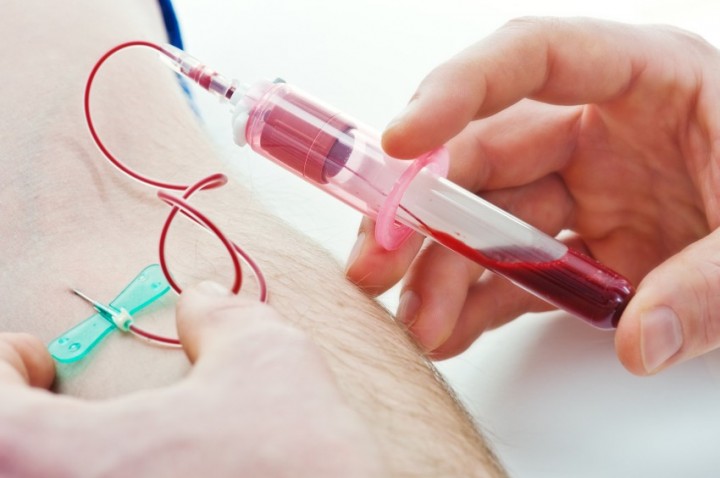
phlebotomy involves drawing blood samples for testing, transfusions, donations, or research. as a vital part of the healthcare system, phlebotomists help diagnose diseases, monitor patient health, and assist in medical research. The profession offers several appealing benefits, such as flexible schedules, a straightforward certification process, and the opportunity to make a meaningful difference in people’s lives.
Top Blood Draw jobs You Can Pursue
1.Certified Phlebotomist
This is the moast common and in-demand role, requiring formal certification. Certified phlebotomists work in hospitals, clinics, laboratories, blood donation centers, and physician offices. They are responsible for safely collecting blood samples, labeling specimens, and ensuring patient comfort.
2. Mobile Phlebotomy Technician
Mobile phlebotomists travel to patient locations-homes, nursing homes, or community events-to perform blood draws. This role suits those who enjoy autonomy and flexible working hours.
3. Laboratory Assistant / Technician
While primarily involved in specimen analysis, some laboratory roles involve collecting blood samples as part of their responsibilities, often within hospital or research settings.
4. Donor Phlebotomist
Specializes in blood donation centers, managing donor blood collection, ensuring donor safety, and maintaining blood bank inventory.
5. Travel Phlebotomist
Work in various healthcare facilities nationwide, often filling staffing shortages or during high-demand periods. Travel phlebotomists enjoy varied work environments and competitive pay.
Essential Skills and Qualifications for blood Draw Jobs
- Certification from an accredited phlebotomy program
- Excellent interpersonal skills and empathy
- Steady hand and attention to detail
- Knowledge of safety protocols and infection control
- Ability to work independently and in a team
- Physical stamina to stand for long periods
How to Get Started in a Phlebotomy career
Step 1: Meet Educational Requirements
Typically, high school diploma or equivalent is required. Enroll in a reputable phlebotomy training program accredited by organizations like the National Accrediting Agency for Clinical Laboratory Sciences (NAACLS) or american Society for clinical Pathology (ASCP).
Step 2: Complete Certification
Pass a certification exam from recognized bodies such as National Certified Phlebotomy Technician (NCPT) or Certified Phlebotomy Technician (CPT). Certification enhances job prospects and demonstrates professionalism.
Step 3: Gain Practical Experience
Internships, externships, or entry-level positions provide hands-on training. Some programs include clinical rotations to develop skills in real healthcare settings.
Step 4: Search for Jobs and Prepare Your Resume
Leverage job boards, hospital careers, and healthcare staffing agencies to find opportunities. Highlight your certifications, practical skills, and patient care experience.
Step 5: Continue Education and Specialize
Advancing your skills or obtaining specialty certifications (e.g., pediatric phlebotomy, dialysis access, or venipuncture techniques) can increase your earning potential and job security.
Practical Tips for Aspiring Blood draw Professionals
- practice drawing blood in controlled environments before working independently
- Build rapport with patients to ease anxiety and improve cooperation
- Stay updated on the latest safety standards and technological advances
- Develop excellent organizational skills for handling specimens and documentation
- Network with healthcare professionals and join professional associations like the American Society for Clinical Pathology (ASCP)
Benefits of Pursuing a blood Draw Career
- High Demand: The healthcare industry constantly needs qualified phlebotomists.
- Flexible Schedules: Many positions offer part-time, full-time, or flexible hours.
- Relatively Short Training period: Certification programs typically last a few months.
- Rewarding work: Helping diagnose and treat illnesses brings personal satisfaction.
- Career Advancement Opportunities: Transition into roles like medical laboratory technologist or healthcare supervisor.
Case Studies and First-Hand Experiences
Lisa’s Journey: From Novice to Certified Phlebotomist
Lisa was initially hesitant about entering the healthcare field. She enrolled in a 3-month phlebotomy certification program, completed clinical rotations at local clinics, and passed her certification exam. Today, she works as a mobile phlebotomist, enjoying flexible hours and positive patient interactions.Her story highlights how dedication and proper training can fast-track your entry into a rewarding medical career.
John’s Experience with Traveling Phlebotomy
John loves traveling and working in diverse healthcare settings.He noticed a demand for travel phlebotomists and completed specialized training. Now, he travels across states, gaining new skills and earning excellent pay while helping multiple communities. His experience underscores the versatility and adventure that a blood draw career can offer.
Summary: Your Path to a Successful Blood Draw Career
Getting started in blood draw jobs is accessible,rewarding,and in high demand. By obtaining the proper certification, developing key skills, and gaining practical experience, you can launch a successful career in phlebotomy. Whether you prefer working in hospitals, blood donation centers, or as a mobile technician, there’s a niche suited for your interests and lifestyle. With dedication and continuous learning, you’ll find a fulfilling career helping people and contributing to healthcare advancements.
Table: Top Blood Draw Job Options comparison
| Job Title | typical Work Environment | Certification Needed | versatility | Average Salary (USD) |
|---|---|---|---|---|
| Certified Phlebotomist | Hospitals, clinics, labs | Yes | Moderate | $35,000 – $45,000 |
| Mobile Phlebotomist | Patient homes, nursing homes | Recommended | High | $40,000 – $50,000 |
| Travel Phlebotomist | Various healthcare settings nationwide | Yes | Very high | $45,000 – $55,000 |
| Blood Donation Technician | Blood banks, donation centers | Optional | Flexible | $30,000 – $40,000 |
Conclusion
The field of blood draw jobs offers a promising entry point into healthcare, combining meaningful work with flexible career options. With the right education, certification, and approach, you can quickly step into roles that not only pay well but also make a tangible difference in patients’ lives. Whether you aspire to work in hospitals, become a mobile phlebotomist, or travel across the country, opportunities abound for dedicated individuals eager to start their phlebotomy journey. Begin today, embrace continuous learning, and take the first step toward a rewarding healthcare career in blood drawing.