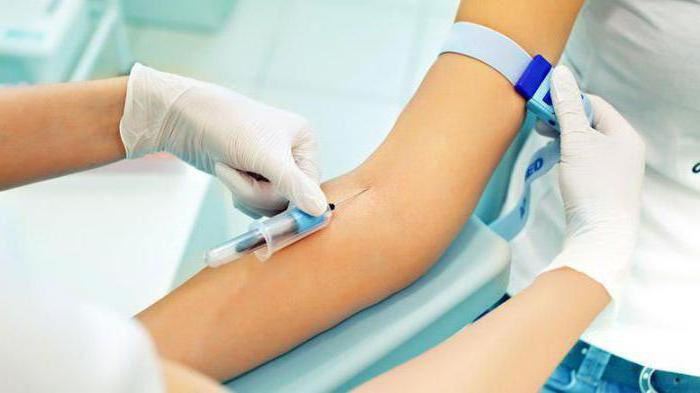
Top 20 Essential Phlebotomy Interview Questions & Answers to Ace Your Job Search
Embarking on a career as a phlebotomist can be both exciting and rewarding. As one of the most critical roles in healthcare, phlebotomists are responsible for collecting blood samples that aid in diagnosis, treatment, and disease management. if you’re preparing for a phlebotomy interview, understanding the questions commonly asked-and how to answer them confidently-can considerably boost your chances of landing the job. In this extensive guide, we’ll explore the top 20 essential phlebotomy interview questions along with expert answers to help you succeed in your job search.
Why is preparing for a phlebotomy interview Important?
Preparing thoroughly for your phlebotomy interview ensures you can confidently demonstrate your skills, knowledge, and professionalism. employers want to see that you’re competent at specimen collection, understand safety protocols, and can communicate effectively with patients and team members.By anticipating common questions and practicing your responses, you’ll stand out as a well-prepared and competent candidate, increasing your chances of securing a position in this high-demand healthcare field.
Benefits of Being Well-Prepared for Your Phlebotomy Interview
- Boosts confidence and reduces interview anxiety
- allows you to showcase your technical skills and bedside manner
- Helps you highlight your relevant experience and certifications
- Improves your chances of making a positive impression
Top 20 Phlebotomy Interview Questions & Expert Answers
1. Can you tell us about your experience in phlebotomy?
Answer: I have been working as a certified phlebotomist for [X] years, during which I have gained extensive experience in performing venipunctures, capillary punctures, and handling various patient populations.I am well-versed in maintaining safety protocols, labeling specimens accurately, and working efficiently under pressure in fast-paced environments like hospitals and clinics.
2.How do you ensure patient safety during blood collection?
Answer: Patient safety is my top priority. I follow strict infection control procedures, use proper PPE, and ensure that all equipment is sterile. I also verify patient identity,explain the procedure,and observe for any adverse reactions throughout the process to provide a cozy and safe experience.
3. what techniques do you use for difficult veins?
Answer: For difficult veins, I start by palpating thoroughly to locate the most prominent vein. I may ask the patient to hydrate before collection and use warm compresses to engorge the veins. If necessary, I use specialized equipment like butterfly needles or ultrasound guidance to improve success rates.
4. How do you handle patient anxiety or fear of needles?
Answer: I approach anxious patients with empathy and patience. I explain the procedure clearly,offer reassurance,and use distraction techniques when appropriate. Building rapport helps reduce their fear and makes the blood draw more comfortable.
5. What are the most common complications during phlebotomy, and how do you prevent them?
| Complication | Preventive Measures |
|---|---|
| Hematoma | Apply proper pressure after needle withdrawal; use correct technique |
| Needle sticks | Follow safety protocols; dispose of sharps promptly |
| Pain or discomfort | Use appropriate needle size; communicate with the patient |
6.Describe your knowledge of OSHA safety standards in phlebotomy.
Answer: I am thoroughly familiar with OSHA guidelines regarding bloodborne pathogen standards, proper disposal of sharps, and infection control protocols. I always wear PPE, follow proper hand hygiene, and ensure that all contaminated equipment is disposed of correctly to maintain a safe surroundings.
7. How do you prepare a specimen for transport and processing?
Answer: I label all samples accurately with patient details, date, time, and collection method. I ensure specimens are stored at appropriate temperatures, use proper containers, and follow facility protocols for transport to avoid hemolysis or contamination.
8. How do you handle a situation where a patient refuses to allow blood collection?
Answer: I listen to their concerns empathetically and explain the importance of the test. If they still refuse, I document their refusal properly and notify the supervising healthcare provider to handle further steps.
9. what equipment do you regularly use during blood collection?
Answer: I frequently use tourniquets, sterile needles, vacuum tubes, alcohol swabs, gauze, adhesive bandages, and properly labeled specimen containers.I also stay updated on any new equipment or technology in phlebotomy.
10. Can you explain the importance of specimen labeling accuracy?
Answer: Accurate labeling ensures specimens are correctly matched to patients, preventing misdiagnosis or treatment errors.I double-check patient identifiers and lab labels before collection, adhering to strict protocols.
11.How do you stay updated with new phlebotomy practices and standards?
Answer: I regularly attend continuing education courses, read industry publications, and participate in workshops. Staying current helps me ensure my practices align with the latest safety and efficiency standards.
12. What do you do if you accidentally stick yourself with a used needle?
Answer: I immediately wash the area with soap and water, report the incident to my supervisor, and follow the facility’s procedure for exposure incidents, including testing if necessary, to mitigate any infection risk.
13. How do you handle stressful situations during high-volume blood draws?
Answer: I stay organized, maintain a calm demeanor, and prioritize patient safety. I also communicate clearly with patients and team members to ensure smooth workflow during busy times.
14. Describe your experience working with pediatric or geriatric patients.
Answer: I have experience with both pediatric and geriatric populations. I adapt my dialog style, use child-kind language, and ensure gentle techniques to minimize discomfort and anxiety.
15. How do you ensure confidentiality of patient information?
Answer: I adhere to HIPAA regulations by securely handling and storing patient data and only sharing information with authorized personnel involved in patient care.
16. Can you share an experience where you successfully handled a difficult patient?
Answer: Onc, I encountered an anxious patient refusing blood draw. I took extra time to explain the procedure,showed empathy,and gained their trust. the patient agreed, and the procedure was completed successfully.
17. Why do you want to work as a phlebotomist?
Answer: I am passionate about patient care and enjoy helping people. Phlebotomy allows me to contribute directly to diagnosis and treatment, and I find the technical and interpersonal aspects of the role fulfilling.
18. How do you handle a situation where equipment malfunctions?
Answer: I calmly assess the issue, replace faulty equipment, and notify the appropriate personnel if needed, ensuring that patient care remains unaffected.
19.What certifications do you hold in phlebotomy?
Answer: I hold a Certified Phlebotomy technician (CPT) certification from [relevant institution], along with ongoing continuing education credits to stay current with industry standards.
20. Where do you see yourself in five years as a phlebotomist?
answer: I aim to deepen my expertise in phlebotomy, take on more responsibilities such as training new staff, and possibly pursue additional certifications in pathology or laboratory technology.
Additional Tips for Acing Your Phlebotomy Interview
- Research the facility: Understand their values, the types of tests they perform, and their patient demographics.
- Practice your answers: rehearse responses to common questions to boost confidence.
- Dress professionally: Present yourself neatly and appropriately for the healthcare environment.
- Bring relevant documents: Certification copies, resume, and references can make a positive impression.
- Follow up: Send a thank-you note after your interview to reinforce your interest and professionalism.
Practical Tips for your phlebotomy Interview Success
Tip: Demonstrate your technical competence by explaining your familiarization with equipment and safety protocols. Use specific examples from your past experience to illustrate your skills and problem-solving abilities.
Tip: Show empathy and communication skills. Remember, employers seek candidates who can handle patients gently and professionally.
Tip: Keep your answers concise, focused, and positive. Highlight your willingness to learn and adapt.
Case Study: Successful Interview Practice
Jane, a recent certified phlebotomist, prepared for her interview by reviewing common questions and practicing her responses. She also practiced a mock venipuncture technique to demonstrate her skills. During her interview, Jane confidently answered questions about patient safety, shared her experience working with pediatric patients, and discussed her commitment to continuing education. Her preparation paid off, and she received a job offer within a week.
Conclusion
Preparing for your phlebotomy job interview is crucial to showcasing your skills, professionalism, and passion for patient care. By familiarizing yourself with the top 20 interview questions and crafting thoughtful answers, you’ll position yourself as a strong candidate ready to excel in the healthcare environment. Remember to highlight your practical experience, emphasize your commitment to safety, and demonstrate excellent communication skills. With thorough preparation and confidence, you’re well on your way to landing your dream phlebotomy position. Best of luck in your job search!