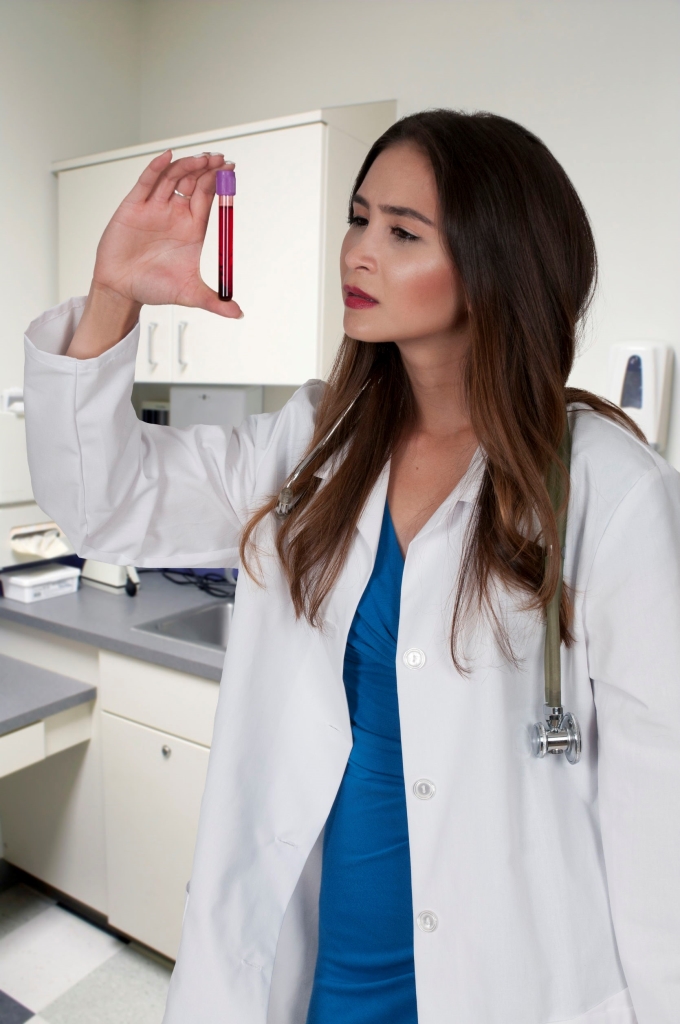
Kickstart Your Career: How to Become a Certified Phlebotomist in Just 5 Easy Steps
If you are looking for a rewarding career in healthcare that allows you to work directly with patients, becoming a certified phlebotomist might be the right path for you. Phlebotomy is a crucial role in the medical field, focusing on drawing blood for tests, donations, or transfusions. In this article, we’ll guide you through the steps to kickstart your career as a certified phlebotomist, making the process as simple as possible.
Why Choose a Career in Phlebotomy?
Before we dive into the steps for becoming a certified phlebotomist, here are a few reasons why this career could be an excellent choice for you:
- High Demand: With the growing healthcare industry, phlebotomists are in high demand across various settings, including hospitals, clinics, and blood donation centers.
- Job Stability: Phlebotomy offers job security, with many professionals finding stable employment soon after certification.
- Flexibility: Many phlebotomy positions offer flexible hours, which can be ideal for individuals balancing other commitments.
- Growth Opportunities: Phlebotomy can be a stepping stone to other healthcare careers, providing opportunities for advancement and specialization.
Step 1: Understand the Prerequisites
Before enrolling in a phlebotomy training program, it’s essential to understand the prerequisites:
- Age: Most programs require you to be at least 18 years old.
- Education: A high school diploma or GED is typically necessary.
- Background Check: Many programs and employers will conduct a criminal background check, so it’s good to be aware of this requirement.
Step 2: Enroll in a Phlebotomy Training Program
The next step in your journey to becoming a certified phlebotomist is to enroll in a reputable phlebotomy training program. These programs are offered by various institutions, including community colleges, vocational schools, and online platforms. When selecting a program, keep the following in mind:
- Accreditation: Ensure the program is accredited by a recognized organization, such as the National Accrediting Agency for Clinical Laboratory Sciences (NAACLS).
- Curriculum: Look for a program that covers essential topics, including blood collection techniques, safety protocols, anatomy, and patient interaction.
- Hands-on Training: Practical experience is crucial, so select a program with a strong laboratory component.
Step 3: Complete the Required Clinical Hours
Most phlebotomy training programs will require you to complete a certain number of clinical hours to gain practical experience. During this phase, you will:
- Work under the supervision of a certified phlebotomist or healthcare professional.
- Practice your blood collection skills on real patients.
- Learn how to handle various types of medical equipment safely.
Step 4: Obtain Certification
After successfully completing your training and clinical hours, the next step is to obtain certification. Certification can enhance your employability and career prospects. Here are the primary certification bodies you can consider:
| Certification Body | Requirements | Validity |
|---|---|---|
| American Society for Clinical Pathology (ASCP) | Completion of an accredited program & 100+ venipunctures | 3 years |
| National Healthcareer Association (NHA) | Training & passing exam | 2 years |
| American National Standards Institute (ANSI) | Exam-based certification | 2 years |
To prepare for certification exams, consider study guides, practice tests, and review courses. Passing the exam will provide you with a recognized credential to enhance your career prospects.
Step 5: Start Your Job Search
With your certification in hand, it’s time to start looking for a job. Here are some valuable tips to help you secure a position:
- Create a Professional Resume: Highlight your education, clinical experience, and any relevant certifications.
- Network: Connect with professionals in the field through job fairs, LinkedIn, or local healthcare events.
- Prepare for Interviews: Common interview questions may include scenarios on patient interaction and procedural knowledge.
Practical Tips for Success in Phlebotomy
- Stay Updated: Keep abreast of the latest techniques and best practices in phlebotomy.
- Enhance Soft Skills: Develop your communication, empathy, and interpersonal skills, which are critical in patient care.
- Seek Continuing Education: Consider further certifications or courses to specialize in areas such as blood banking or pediatric phlebotomy.
Real-Life Experience: A Phlebotomist’s Perspective
Maria, a certified phlebotomist with over three years of experience, shares her journey:
“When I started my training, I was nervous about working with patients. But as I gained hands-on experience during my clinical hours, I found my confidence. Every day brings a new challenge, but helping patients through the procedure and knowing I play a vital role in their healthcare makes it all worth it.”
Conclusion
Becoming a certified phlebotomist is an achievable goal with the right training and dedication. By following these five easy steps—understanding prerequisites, enrolling in training, completing clinical hours, obtaining certification, and starting your job search—you can embark on a rewarding career in phlebotomy. Not only will you contribute to patient care, but you’ll also enjoy a stable and fulfilling job in the healthcare sector. Start your journey today and kickstart a career that makes a difference!