How Much Does a Phlebotomist Earn Annually? Salary Insights & Career Outlook
If you’re considering a career in the healthcare field, becoming a phlebotomist can be an excellent choice. Not only does it offer the chance too work in a vital medical role, but it also provides a steady income and opportunities for professional growth. But how much does a phlebotomist earn annually? What factors influence their salary, and what is the future outlook for this rewarding career? In this complete guide, we’ll explore all these questions and more.
Understanding the Role of a Phlebotomist
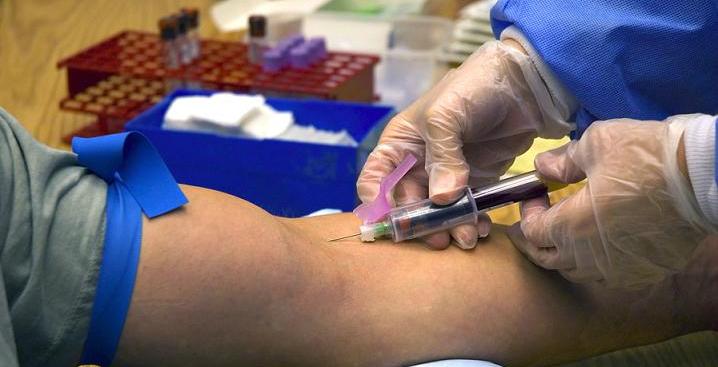
Phlebotomists are healthcare professionals trained to draw blood samples from patients for testing, donations, or research purposes. They are essential members of medical teams, ensuring blood collection is safe, efficient, and hygienic. With an increasing demand for diagnostic testing and blood donations, the role of a phlebotomist has become more vital than ever.
Average Salary of a Phlebotomist: What to Expect
The annual salary of a phlebotomist can vary based on several factors, including location, experience, certification, and workplace setting. Here’s a snapshot of the typical earnings:
| Average Annual Salary | Range |
|---|---|
| $36,000 | $28,000 – $45,000 |
According to recent data from the U.S.Bureau of Labor Statistics and industry reports, the median salary for phlebotomists nationwide is approximately $36,000 per year. However,this can be higher or lower depending on various factors discussed below.
Salary Breakdown by Experience
- Entry-Level phlebotomists: $28,000 – $30,000 annually
- Mid-Level Professionals: $35,000 – $40,000 annually
- Experienced and Specialized Phlebotomists: $45,000+ annually
factors Affecting Phlebotomist Salaries
Several key factors influence the annual earnings of phlebotomists. Understanding these allows aspiring professionals to better navigate their career path and salary expectations.
1. Geographic Location
Salaries tend to be higher in urban areas or regions with a high cost of living. For example, phlebotomists working in states like California, New York, and Massachusetts generally earn more than those in rural or less populated states.
2. Certification and Education
Having professional certification from organizations like the American Society of Phlebotomy Technicians (ASPT) or the National Healthcareer Association (NHA) can boost salary potential. Additional education, such as specialized training or degrees, also increases earning capacity.
3. Workplace Setting
- Hospitals: Typically offer higher salaries
- Private labs and clinics: competitive wages often aligned with hospital rates
- Blood donation centers: Usually pay slightly lower but offer a flexible work environment
4. Experience and Skill Level
As with most professions, experience plays a significant role in salary determination. The more seasoned and versatile a phlebotomist,the higher the earning potential.
Practical Tips to Maximize Your Salary as a Phlebotomist
- Obtain certification from recognized bodies to increase employability and earning potential.
- Gain experience across different healthcare settings to diversify your skills.
- Consider relocating to high-demand areas with better pay rates.
- Engage in continuous education and specialization, such as pediatric or geriatric phlebotomy.
- Build a professional network to access higher-paying job opportunities.
Benefits of a Career in Phlebotomy
beyond salary, a career as a phlebotomist offers several attractive benefits:
- Job stability: Consistent demand in healthcare sector
- Low barrier to entry: Short training programs available
- Flexible work schedules: Opportunities for part-time or shift work
- Personal fulfillment: Direct contribution to patient care
Case Study: A Day in the Life of a Prosperous Phlebotomist
Meet Lisa, a certified phlebotomist with 5 years of experience working in a major urban hospital. She earns approximately $40,000 annually. Lisa finds her work rewarding, particularly when helping anxious patients feel agreeable during blood draws. She has also pursued certification in pediatric phlebotomy, which has opened doors to higher-paying specialized roles. Her experience highlights how dedication and continuous learning can boost earning potential in this profession.
Frist-Hand Experience: Starting Your Phlebotomy Career
If you’re just beginning your journey as a phlebotomist, consider enrolling in accredited training programs that prepare you for certification exams. Internships or volunteer opportunities can provide valuable hands-on experience. Networking with professionals in the healthcare industry can also open avenues for higher-paying jobs and career advancement.
Career Outlook for Phlebotomists
The outlook for phlebotomists remains positive. The U.S. Bureau of Labor Statistics projects a growth rate of around 10% from 2020 to 2030,faster than the average for all occupations. The increasing demand for diagnostic tests and blood donations, coupled with expanding healthcare services, ensures a steady demand for trained phlebotomists. Additionally, technological advancements may lead to roles in laboratory management and specialized bloodwork that further enhance career prospects.
Summary
the average annual salary for a phlebotomist hovers around $36,000, with opportunities to increase earnings substantially with experience, certification, and geographic mobility. The healthcare sectorS ongoing growth guarantees a stable and rewarding career for those interested in medical assistance roles. Whether you’re just starting or looking to advance your current position, understanding salary factors and industry trends can help you make informed career decisions.
Final Thoughts
Embarking on a career as a phlebotomist offers not only a competitive salary but also meaningful work within the healthcare community. By investing in your training, gaining experience, and staying updated with industry standards, you can enhance your earning potential and enjoy a fulfilling professional journey. The future is luminous for dedicated phlebotomists ready to serve and grow in the dynamic world of healthcare.