How Much Do Phlebotomists Earn? A Complete Guide to Salaries and Income Potential
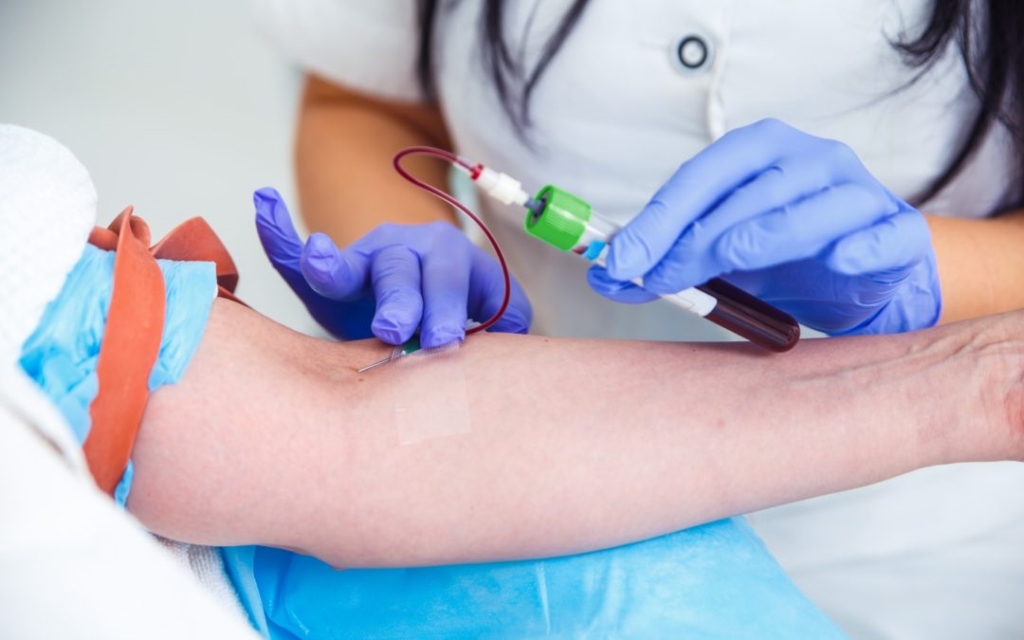
If you’re considering a career as a phlebotomist or are simply curious about the earning potential in this vital healthcare role, you’ve come to the right place. Phlebotomists play a crucial part in medical diagnostics by collecting blood samples for testing, and their skills are in demand across hospitals, clinics, laboratories, and blood donation centers. But how much do phlebotomists actually earn? In this complete guide, we’ll explore salary ranges, factors that influence earnings, benefits, practical tips for maximizing income, real-world case studies, and insights from firsthand experience.
Understanding the Role of a Phlebotomist
Before diving into salary details, it’s helpful to understand what phlebotomists do and the skills required. Phlebotomists are trained healthcare professionals responsible for collecting blood samples, ensuring patient comfort, and maintaining safety protocols. They typically work in medical environments, collaborating with nurses, lab technicians, and doctors.
The profession requires a combination of technical skills, good bedside manner, and attention to detail.Certification is often required or preferred, depending on the state or employer.
Average Salary of Phlebotomists
Phlebotomist salaries can vary based on location, experience, education, and employer type. Here’s a breakdown of average salaries in different settings:
| Setting | Average Annual Salary | Hourly Rate |
|---|---|---|
| Hospitals | $36,000 – $44,000 | $17.00 – $21.00 |
| Clinics and Medical Labs | $34,000 – $42,000 | $16.50 – $20.00 |
| Blood Donation Centers | $32,000 – $38,000 | $15.50 – $18.00 |
| Private Practices & Outpatient | $33,000 – $40,000 | $16.00 - $19.50 |
Factors Affecting Phlebotomist Salaries
Several elements influence how much a phlebotomist can earn, including:
- Experience: entry-level phlebotomists generally earn less than those with several years of experience.
- Geographic location: Salaries tend to be higher in urban centers and regions with a high cost of living.
- Certification and Education: Certified phlebotomists usually command higher pay than uncertified counterparts.
- Employer Type: Larger hospitals and laboratories often offer better pay and benefits than small clinics.
- additional Skills: Expertise in emergency procedures, venipuncture, or specializing in pediatric or geriatric care can influence earnings.
Salary by Experience Level
Here’s a speedy overview of how salaries can progress with experience:
| Experience Level | Approximate Salary Range |
|---|---|
| entry-Level (0-1 years) | $30,000 – $35,000 |
| Mid-Level (2-5 years) | $35,000 – $42,000 |
| Senior/Experienced (>5 years) | $40,000 – $48,000+ |
Additional Compensation Factors and Benefits
Beyond base salary, phlebotomists may receive various benefits and bonuses, including:
- Health Insurance: Medical, dental, and vision coverage.
- Retirement Plans: 401(k) or pension options.
- Paid Time Off: vacation and sick leave.
- Overtime Pay: Additional earnings for extra hours.
- Bonuses and Incentives: Performance-based rewards or signing bonuses in competitive markets.
How to Maximize Your Income as a Phlebotomist
If you’re eager to boost your earning potential, consider the following practical tips:
- Obtain Certification: Certified phlebotomists tend to receive higher salaries and better job security.
- Specialize: Focus on pediatric, geriatric, or research phlebotomy for niche expertise.
- Gain Experience: More experience can lead to leadership roles or advanced positions.
- Work in High-Demand Areas: urban centers or regions with a shortage of healthcare personnel typically offer better pay.
- Enhance Skills: Learn related skills like EKG, IV insertion, or laboratory procedures.
- Negotiate Salary: Don’t hesitate to negotiate your pay package during job offers.
Case Studies and Real-Life Perspectives
Real-world experiences can shed light on the earning potential and career growth as a phlebotomist. Here are a couple of insights from professionals in the field:
Case Study 1: starting Out in a Small Clinic
Jessica, a newly certified phlebotomist in a rural clinic, started at an annual salary of $32,000. Over three years, gaining certification in pediatric phlebotomy and earning additional certifications in lab procedures, she increased her salary to $38,000, alongside improved benefits.
Case Study 2: Experienced Phlebotomist in a Major Urban Hospital
Michael, with over 7 years of experience working in a large city hospital, earns around $45,000 annually. His additional certifications and leadership role as a senior technician contribute to his higher earning potential. He also earns overtime and bonuses regularly.
Is a Career in Phlebotomy Worth It?
Absolutely! The career of a phlebotomist offers a stable job market, opportunities for growth, and the satisfaction of making a difference in patients’ lives. While salaries may start modest, with experience, certification, and specialization, income potential increases significantly. Moreover, the demand for skilled phlebotomists is projected to grow steadily in the coming years, making it a promising healthcare career choice.
Conclusion
Understanding how much phlebotomists earn is key to making informed career decisions.Salaries typically range from $30,000 to over $45,000 annually, influenced by experience, location, certification, and employer type. By investing in certification, gaining experience, and honing specialized skills, you can significantly boost your income potential in this rewarding healthcare profession. whether you’re just starting or looking to advance, the field of phlebotomy offers promising opportunities for steady growth and a fulfilling career.
Ready to take the next step? Explore certification programs, consider high-demand locations, and keep building your skills to maximize your earnings as a phlebotomist!