Jumpstart Your Career: Everything You Need to Know About Phlebotomy Technician Programs
In todayS fast-paced healthcare landscape,the demand for trained professionals is steadily increasing. Among these, phlebotomy technicians play a vital role in ensuring accurate blood testing and diagnostics. If you are considering a rewarding career path that promises job stability and excellent growth potential, phlebotomy could be the answer. This article covers everything you need to know about phlebotomy technician programs,from the basics to the benefits of becoming certified.
What is a Phlebotomy Technician?
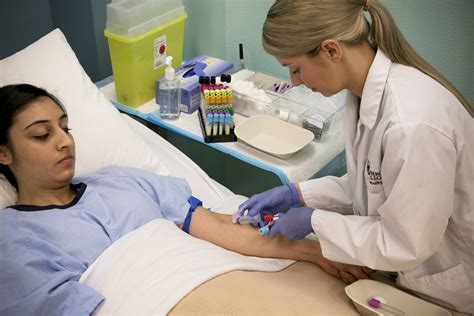
A phlebotomy technician is a healthcare professional who specializes in drawing blood from patients for various medical tests, blood donations, and research purposes. Their responsibilities include:
- Verifying patient data
- Preparing and maintaining the blood collection area
- Using sterile techniques to draw blood
- Labeling and handling blood samples appropriately
- Transporting samples to laboratories for testing
Phlebotomy Technician Programs Overview
A phlebotomy technician program typically includes both classroom instruction and hands-on practical training. These programs can vary in length and may be offered at community colleges, vocational schools, or online platforms. Here’s what you can expect from a typical program:
Curriculum Components
The curriculum for phlebotomy technician programs generally includes:
- Blood Collection Techniques: Learning various methods such as venipuncture and capillary puncture.
- Anatomy and Physiology: Understanding the human circulatory system and its components.
- Safety Procedures: Implementing infection control and proper handling of samples.
- Patient Interaction: Developing dialog skills for effective patient care.
- Ethics and Regulations: Familiarizing with HIPAA guidelines and lab regulations.
Program Length and Formats
Most phlebotomy programs can be completed in 4 to 8 months. Some options include:
| Program Format | Duration |
|---|---|
| Certificate Program | 4-6 months |
| Associate Degree Program | 2 years |
| Online Programs | Flexible (typically 6-12 months) |
Benefits of Becoming a Phlebotomy Technician
Choosing a career as a phlebotomy technician offers several advantages:
Job Demand
The healthcare industry is rapidly expanding, and phlebotomy technicians are in high demand across various settings, including hospitals, clinics, blood donation centers, and laboratories.
Short Training Period
Compared to many other healthcare professions, becoming a phlebotomy technician requires relatively short training, making it an accessible option for those looking to enter the workforce quickly.
Competitive Salary
Phlebotomy technicians can expect a competitive salary, with an average starting hourly wage of around $15-$20, depending on location and experience.
career Advancement Opportunities
With additional education and experience, phlebotomists can move into supervisory roles, specialize in areas such as blood bank technology, or even transition into nursing or medical technology.
How to Enroll in a Phlebotomy technician Program
Getting started with a phlebotomy technician program is straightforward. Here are the steps to guide you:
- Research Accredited Programs: Ensure the program you choose is accredited and recognized.
- Check Admission Requirements: Some programs may require a high school diploma or equivalent.
- Prepare for Interviews: Programs may conduct interviews or testing as part of their admission process.
- Gather Financial Information: Explore tuition costs and available financial aid options.
- Apply to Multiple Programs: Increase your chances by applying to several schools.
Case Studies and First-Hand Experience
Success Stories from Phlebotomy Graduates
Many former students have shared inspiring stories about their journey. Let’s hear from Emily, a recent graduate:
“I started my phlebotomy training while working part-time at a clinic. The skills I learned not only helped me land a full-time job as a phlebotomist but also boosted my confidence in interacting with patients. Today, I’m considering further studies in nursing!”
Practical Tips for Aspiring Phlebotomy Technicians
If you’re contemplating a career in phlebotomy, keep these practical tips in mind:
- Practice Patience: Drawing blood can be intimidating for both patients and technicians. Stay calm and patient.
- Network with Professionals: Connecting with experienced phlebotomists can provide invaluable advice and support.
- Stay updated: The healthcare field is ever-evolving; continuous education and training help you stay relevant.
- Develop Soft Skills: Empathy and communication are key to comforting patients during procedures.
Conclusion
A career as a phlebotomy technician is an excellent choice for anyone seeking to make a meaningful impact in healthcare within a short span of training. With accredited programs, a favorable job outlook, and numerous advancement opportunities, jumping into this field might potentially be the ideal next step for your career. By investing time in acquiring the necessary skills, you can build a fulfilling career that plays a pivotal role in patient care and medical insights. Ready to get started? Research your options today and take a step toward a brighter future!