Inside the World of Phlebotomy: Essential Skills, Tips, and Personal Experiences
Phlebotomy is an integral part of the healthcare industry, serving as the gateway for many critical diagnostic procedures. For those entering this rewarding field, understanding the necessary skills, best practices, and first-hand experiences is crucial for success. This article delves into the world of phlebotomy, outlining essential skills, practical tips, and insightful personal experiences that can guide both aspiring and current phlebotomists.
What is Phlebotomy?
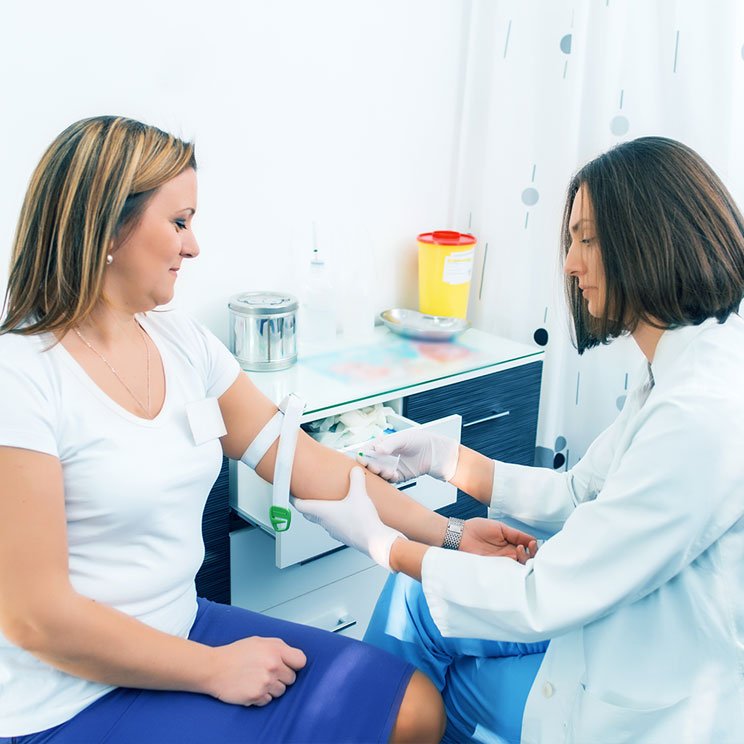
Phlebotomy is the practice of drawing blood from patients for various medical purposes, including tests, transfusions, donations, or research. Phlebotomists are trained professionals who specialize in collecting blood samples safely and effectively. They play a vital role in patient care and the diagnostic process.
Essential Skills for Phlebotomists
Becoming a successful phlebotomist requires a combination of technical skills, interpersonal abilities, and a strong understanding of medical protocols. Here are some essential skills every phlebotomist should possess:
- Technical Proficiency: Mastery of various blood-drawing techniques (e.g., venipuncture and capillary puncture).
- Attention to Detail: Ability to follow exact procedures to avoid contamination or errors.
- Communication Skills: Effectively explain procedures to patients and ease their anxieties.
- Customer Service Skills: Providing compassionate care and addressing patients’ concerns.
- Problem-Solving Skills: Adapting to challenging situations, such as difficult venous access.
- Knowledge of Medical Terminology: Familiarity with terms relevant to blood collection and laboratory tests.
- Organizational Skills: Managing multiple samples and ensuring proper labeling and storage.
Benefits of Choosing a Career in Phlebotomy
Phlebotomy offers various advantages that make it an appealing career choice:
- Job Stability: The demand for healthcare services continues to grow, ensuring job security.
- Short Training Period: Phlebotomy training programs typically last only a few months.
- Direct Patient Interaction: Building relationships with patients can be fulfilling.
- Opportunities for Advancement: Experienced phlebotomists can advance to supervisory or specialized roles.
Practical Tips for Aspiring Phlebotomists
As you embark on your phlebotomy journey, consider the following practical tips to excel:
- Enroll in a Certified Program: Look for accredited schools that offer hands-on training.
- Practice Makes Perfect: Gain as much experience as possible during your training; practice on simulation models if available.
- Stay Updated: Keep abreast of the latest techniques and best practices through continuous education.
- Network: Join phlebotomy forums and local healthcare organizations to connect with other professionals.
- Focus on Patient Comfort: Develop a gentle approach that minimizes discomfort and anxiety.
Case Studies in Phlebotomy
Learning from real-world experiences can provide invaluable insights into the phlebotomy profession. Here are a couple of brief case studies:
| Case Study | Outcome | Lessons Learned |
|---|---|---|
| Patient Anxiety | Successful blood draw with minimal discomfort. | Effective communication helped to ease patient nerves. |
| Vein Selection Challenges | Identified alternate sites for blood draw. | Adaptability is key; risk assessment is crucial. |
First-Hand Experience: A Day in the Life of a Phlebotomist
Personal experiences often shed light on the realities of a profession. For one phlebotomist, a typical day includes:
- Arriving early to prepare the workspace and review schedules.
- Welcoming patients and collecting vital information before the procedure.
- Performing blood draws, utilizing techniques tailored to each patient.
- Maintaining meticulous records and ensuring samples are properly labeled and sorted for laboratory analysis.
- Briefing patients on the process and providing post-draw instructions.
This professional emphasizes the importance of empathy and patience, affirming that these softer skills are just as vital as technical expertise in phlebotomy.
Conclusion
Phlebotomy is a dynamic and vital field that plays a crucial role in patient care and healthcare systems worldwide. By cultivating the essential skills, following practical tips, and learning from personal experiences, aspiring phlebotomists can prepare themselves for a fulfilling career. Whether you are just starting your journey or looking to enhance your current practice, the world of phlebotomy offers endless opportunities for growth and connection in the healthcare community.