Title: Inside the Needle: A Firsthand Phlebotomy Experience
Meta Title: A comprehensive guide to phlebotomy experiences from the patient’s perspective
Meta Description: Are you nervous about getting blood drawn? Read this article for a firsthand account of a phlebotomy experience, including tips for a smooth and comfortable procedure.
Introduction:
For many people, the thought of needles and blood draws can be anxiety-inducing. However, phlebotomy is a crucial aspect of healthcare that helps diagnose and monitor various medical conditions. In this article, we will delve into the world of phlebotomy from the patient’s perspective, providing you with a firsthand account of what to expect during a blood draw.
What is Phlebotomy?
Phlebotomy is the process of drawing blood from a patient for diagnostic testing, transfusions, donations, or research purposes. A trained healthcare professional called a phlebotomist performs this procedure using a needle to puncture a vein and collect blood samples. Phlebotomy is a routine procedure that is relatively quick and generally painless when done by a skilled practitioner.
A Firsthand Phlebotomy Experience:
Let’s walk through a typical phlebotomy experience from the patient’s point of view:
1. Check-in: Upon arriving at the clinic or lab, you will be asked to provide your personal information and medical history. This information helps the phlebotomist determine the appropriate tests to be conducted.
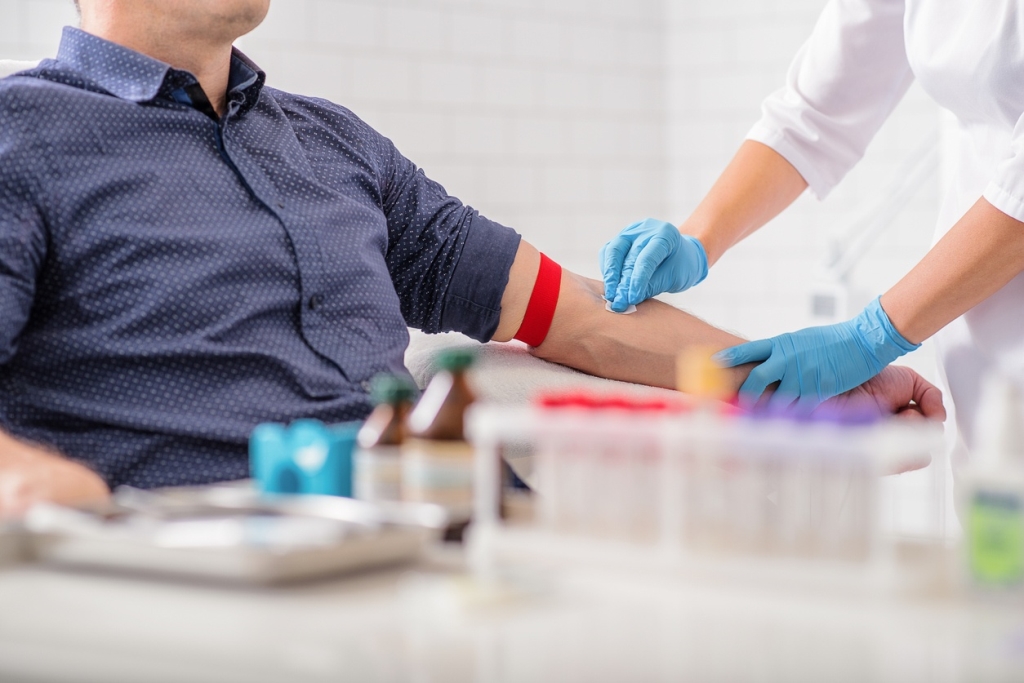
2. Preparing for the Draw: The phlebotomist will guide you to a comfortable chair and ask you to roll up your sleeve or expose the area where the blood draw will take place. They may ask if you have any allergies or medical conditions that could affect the procedure.
3. Needle Insertion: The phlebotomist will sanitize the area, usually the inside of your elbow, with an alcohol swab. They will then carefully insert the needle into a vein to draw the blood. You may feel a slight pinch or pressure during this process, but it should not be overly painful.
4. Blood Collection: As the blood flows into the collection tube, the phlebotomist will gently remove the needle once they have collected an adequate sample. They will then apply pressure to the site to stop any bleeding and may place a bandage over the area.
5. Post-Draw Care: After the blood draw is complete, you may be advised to rest for a few minutes and drink plenty of water. The phlebotomist will provide instructions on caring for the site and any specific post-procedure guidelines.
Benefits of Phlebotomy:
– Diagnosing medical conditions
– Monitoring treatment effectiveness
– Screening for diseases
– Blood donations
Practical Tips for a Smooth Experience:
– Stay hydrated before the procedure
– Inform the phlebotomist of any medical conditions or allergies
– Try to relax and breathe deeply during the blood draw
– Communicate any discomfort or concerns with the phlebotomist
Conclusion:
Phlebotomy is a necessary and routine procedure that plays a vital role in maintaining good health. By understanding what to expect during a blood draw and following practical tips for a smooth experience, you can alleviate any anxiety or fears associated with phlebotomy. Remember, a skilled and compassionate phlebotomist can make all the difference in ensuring a comfortable and efficient blood draw process. Trust in the expertise of healthcare professionals to guide you through the phlebotomy experience with care and professionalism.
phlebotomy is a crucial aspect of healthcare that should not be feared but understood and appreciated for its role in maintaining good health. If you have any concerns or questions about phlebotomy, don’t hesitate to speak with a healthcare provider for guidance and reassurance.