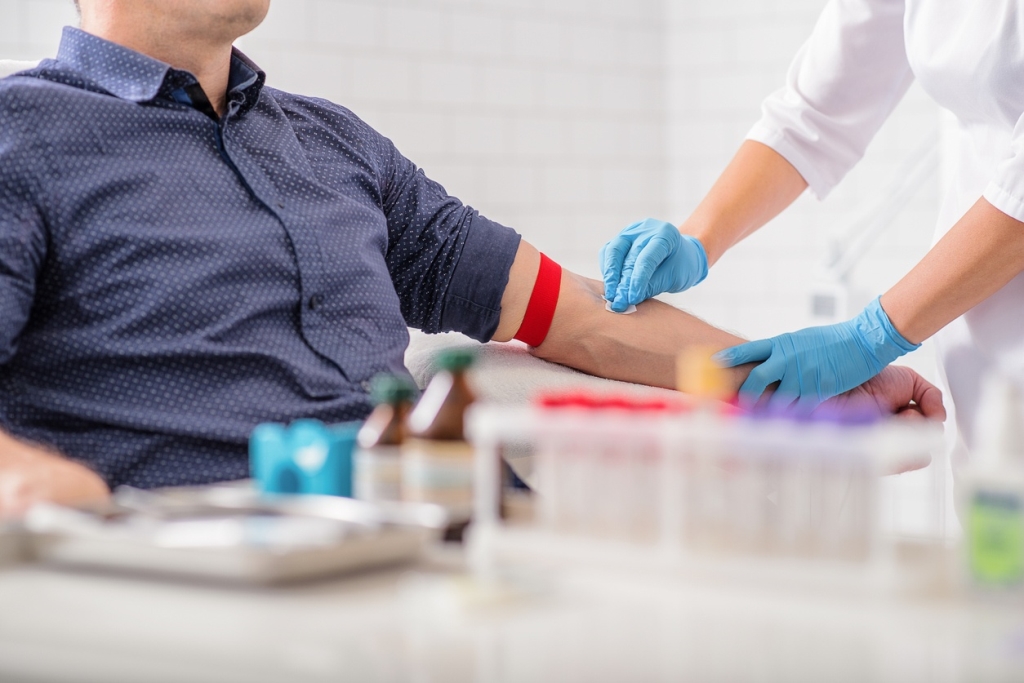
Boost Your Healthcare Career: Essential Insights into Becoming a Hospital Phlebotomist
Are you considering a rewarding career in healthcare that combines technical skills, patient interaction, and vital contributions to patient care? Becoming a hospital phlebotomist might be your perfect path. This healthcare profession is in high demand, offers competitive pay, and provides a meaningful way to support patient health. In this extensive guide, we’ll walk you through teh essential insights, steps, benefits, and practical tips to help you become a successful hospital phlebotomist and boost your healthcare career.
What Is a Hospital Phlebotomist?
A hospital phlebotomist is a trained medical professional responsible for drawing blood samples from patients for laboratory testing, transfusions, donations, and research.Their role is critical in diagnostics, ensuring that physicians receive accurate data to diagnose and treat various health conditions effectively. Phlebotomists work closely with patients, healthcare teams, and laboratory staff, making their job both technical and compassionate.
Why Choose a Career as a Hospital Phlebotomist?
- High Demand: The need for qualified phlebotomists continues to grow with the expansion of healthcare services.
- Competitive Salary: Average salaries range from $30,000 to $45,000 annually, with potential for advancement.
- Career Advancement: Opportunities to specialize, pursue certifications, and move into supervisory roles.
- job stability: Hospitals and clinics require phlebotomists continuously, providing job security.
- Positive Impact: Playing a vital part in patient care by facilitating accurate diagnostics.
Essential Steps to Become a hospital Phlebotomist
1. Meet Basic Eligibility Requirements
Before starting your journey, ensure you meet the basic prerequisites:
- High school diploma or equivalent (GED)
- Basic understanding of biology and anatomy
- Good manual dexterity and attention to detail
- Ability to handle blood and biological fluids comfortably
2.Complete a phlebotomy Training Programme
Enroll in an accredited phlebotomy training program, which typically includes:
- Classroom instruction on anatomy, blood collection techniques, and safety protocols
- Hands-on practice with blood draw procedures
- knowledge of laboratory safety and infection control
Many community colleges, technical schools, and online programs offer Certificate or diploma courses in phlebotomy.
3. Obtain Certification
While certification requirements vary by state, earning a professional certification can considerably boost your job prospects. The most recognized certifications include:
- Certified phlebotomy Technician (CPT) from the American Society for Clinical Pathology (ASCP)
- Phlebotomy Technician Certification (PBT) from the National Healthcareer Association (NHA)
- Certified Phlebotomy Specialist (CPS) for advanced credentials
Preparation for certification exams ofen involves completing your training program and gaining practical experience.
4.Gain Practical Experience
Hands-on experience is invaluable. Look for internships or externships during your training. Many programs include clinical practicums in hospitals or clinics,allowing you to refine your skills in real-world settings.
5. Apply for Hospital Phlebotomy Positions
Update your resume highlighting your training, certifications, and practical experience. search for hospital phlebotomy jobs through healthcare job boards, hospital career portals, or staffing agencies. Emphasize your patient care skills, attention to detail, and ability to handle challenging situations.
Benefits of Working as a Hospital Phlebotomist
| Benefit | Description |
|---|---|
| Job Satisfaction | Helping patients and supporting diagnostic processes provides a sense of purpose. |
| Competitive Salary | Enjoy earning a respectable income with potential for raises and bonuses. |
| Flexible Schedules | Many hospitals offer various shifts, including nights and weekends. |
| Advancement Opportunities | Move into supervisory, training, or specialized laboratory roles. |
Practical Tips to Succeed as a Hospital Phlebotomist
- Master your skills: Regularly practice blood draw techniques and stay updated on industry best practices.
- Prioritize patient comfort: Communicate clearly and gently to reduce patient anxiety.
- Maintain strict safety standards: Follow infection control protocols diligently.
- Build rapport with colleagues: Teamwork enhances efficiency and patient satisfaction.
- Stay certified and educated: Continue professional development with workshops and refresher courses.
Challenges Faced by Hospital Phlebotomists and How to Overcome Them
Working in hospitals can present unique challenges, including:
- Arduous veins or patient agitation: Use proper techniques and stay patient.
- Time pressures: Prioritize tasks and stay organized.
- Potential exposure to infections: Adhere strictly to safety protocols.
Firsthand Experience: A Day in the Life of a Hospital Phlebotomist
Imagine starting your shift by reviewing the patient assignments, preparing your supplies, and greeting patients with a kind smile. Throughout the day, you’ll:
- Locate patients’ veins with precision
- Draw blood efficiently and safely
- Label samples accurately and ensure proper storage
- Assist nurses and laboratory staff with other tasks
This daily routine not only hones your technical skills but also enhances your patient care abilities. Success in this role depends on your competence, compassion, and adaptability.
Conclusion
Becoming a hospital phlebotomist is a fantastic way to advance your healthcare career while making a meaningful difference in patients’ lives. With the right training, certification, and dedication, you can enjoy a fulfilling job with stability, growth opportunities, and personal satisfaction.Whether you’re just starting in healthcare or seeking a career change, remember that your role as a hospital phlebotomist is essential – every blood sample you collect plays a crucial part in accurate diagnosis and effective treatment. Start your journey today and unlock a future full of professional growth and purpose!