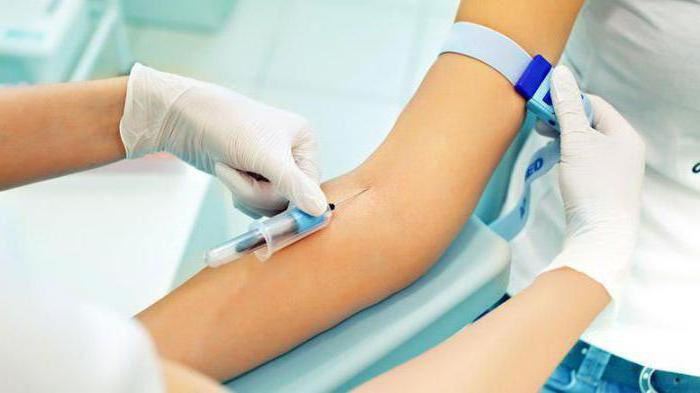
Enhance Your Skills: top Continuing Education Courses for Phlebotomists in 2024
Are you a dedicated phlebotomist looking to stay ahead in your career? Continuing education is crucial for maintaining certification,expanding your skill set,and boosting your confidence in the field. In 2024, numerous courses and training programs are available to help you achieve these goals. This comprehensive guide walks you through the best continuing education opportunities, practical tips to choose the right courses, and inspiring case studies that highlight the importance of ongoing professional advancement.
Why continuing Education is Essential for Phlebotomists
Phlebotomy is a dynamic healthcare profession that requires technical expertise, patient interaction skills, and adherence to safety protocols. Continuing education offers several benefits for phlebotomists, including:
- Maintaining Certification: Most certifying organizations require ongoing education to renew or maintain certification.
- Enhancing Skills: Learn new techniques, tools, and best practices in blood collection and specimen handling.
- Staying Updated: Keep abreast of the latest regulations, safety protocols, and technological advancements.
- Career Advancement: Improve employability prospects and qualify for advanced roles.
- Improving Patient Care: Deliver safer, more efficient services to patients.
Top Continuing Education Courses for Phlebotomists in 2024
Finding the right courses can be overwhelming, but focusing on reputable, relevant programs ensures valuable learning and compliance. Here are some of the best continuing education courses for phlebotomists to consider in 2024:
1. Advanced phlebotomy Techniques and Safety
This course covers cutting-edge blood collection methods, infection control practices, and safety protocols. Ideal for experienced phlebotomists seeking to refine their skills.
2. Pediatric and Geriatric Phlebotomy
Specialized training on venipuncture and capillary collection for pediatric and elderly patients. Enhances patient interaction and minimizes discomfort.
3.Infrastructure and Technology in Modern Phlebotomy
Focuses on the latest lab technologies, automation, and specimen management best practices, preparing phlebotomists for future advancements.
4. Regulatory compliance and OSHA Standards
Ensures phlebotomists stay compliant with OSHA regulations, HIPAA, and other legal requirements, reducing the risk of violations.
5. Soft Skills and Patient Interaction
Improves interaction, empathy, and patient care, leading to better patient experiences and compliance during blood draws.
Practical Tips for Choosing the Right Continuing Education Course
- Verify Accreditation: ensure the program is accredited by recognized organizations like ASCP, NAACLS, or relevant state boards.
- Match Your Goals: Choose courses that align with your career aspirations and current skill gaps.
- Check Flexibility: Consider online, in-person, or hybrid formats that suit your schedule.
- Read Reviews and Testimonials: Feedback from past students can give insights into course quality and relevance.
- Cost and Certification: Ensure the course offers certification and fits within your budget.
Case Study: Success Story of a Certified Phlebotomist
| Phlebotomist | Course Taken | Outcome |
|---|---|---|
| Emily R. | Advanced Blood Collection Techniques | Obtained specialized skills, led to promotion, and increased salary. |
| James K. | Regulatory compliance and OSHA Standards | Enhanced safety protocols implementation, reduced errors, and ensured certification renewal. |
Benefits of Continuous Learning in Phlebotomy
- Improved Accuracy and Efficiency: Reduce patient discomfort and errors in specimen collection.
- Enhanced Professional Confidence: Master new procedures and troubleshoot challenges confidently.
- Greater Job Satisfaction: feel more engaged and valued as a healthcare professional.
- Networking Opportunities: Connect with peers and industry experts for career growth and support.
Practical Tips for keeping Skills Up-to-Date
- enroll in accredited courses regularly-at least yearly.
- Participate in workshops, seminars, and webinars related to phlebotomy.
- Subscribe to professional journals and industry newsletters for the latest updates.
- Join professional organizations like ASCP or the National Phlebotomy Association.
- Seek mentorship opportunities for hands-on learning and feedback.
Conclusion: Investing in Your Future as a Phlebotomist
Continuing education is a powerful tool that empowers phlebotomists to excel in their careers, provide exceptional patient care, and stay compliant with evolving standards. With a variety of courses available in 2024-ranging from advanced techniques to regulatory compliance-there’s never been a better time to invest in your professional development. Remember, ongoing learning not only benefits your career but also enhances the quality of care you deliver. So, take the initiative today, choose the right courses, and elevate your skills in the exciting world of phlebotomy.