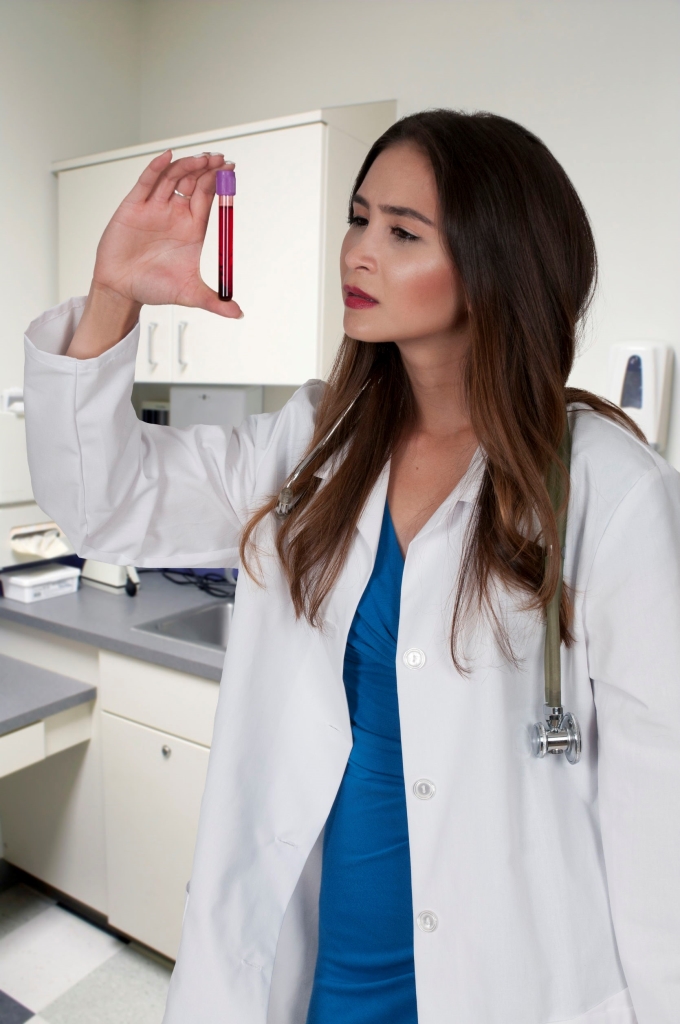
Essential Skills Every phlebotomist Needs: A Complete Guide to Excelling in Blood Collection
If you’re passionate about healthcare and interested in a career that combines technical skills wiht patient interaction, becoming a phlebotomist can be incredibly rewarding. The cornerstone of success in this profession is mastering a set of essential skills that ensure safe, efficient, and compassionate blood collection.This thorough guide will walk you through the critical competencies, practical tips, benefits, and real-life insights to help you excel as a professional phlebotomist.
Understanding the Role of a Phlebotomist
Phlebotomists are vital members of the medical laboratory team, responsible for drawing blood specimens for testing, diagnostics, and research. Their work impacts patient care directly and requires ablend of technical expertise, keen observation, and excellent communication skills.
Core Skills Every Phlebotomist Needs
To succeed in blood collection, a phlebotomist must develop and refine a diverse set of skills. Here are the essential skills robustly linked to professional excellence:
1. Technical Proficiency in Blood Collection Techniques
- Knowledge of various blood draw methods (venipuncture, capillary puncture, butterfly method)
- Proper use of phlebotomy equipment and accessories
- Understanding of blood collection order and additive compatibility
2. Excellent Patient Communication Skills
- Ability to explain procedures clearly
- Providing reassurance and reducing patient anxiety
- handling patient concerns with empathy and professionalism
3. Attention to Detail and Strong Observation Skills
- Verifying patient identity accurately
- Monitoring for signs of adverse reactions
- Ensuring proper labeling and specimen handling
4. steady Hand and Dexterity
Blood draws require precision to minimize discomfort and prevent complications such as hematomas or vein collapse.
5. Knowledge of Safety and Infection Control Protocols
- Proper sterilization procedures
- Use of gloves and personal protective equipment (PPE)
- Disposal of sharps securely
6. Adaptability and Critical Thinking
- Managing difficult veins or uncooperative patients
- Quick decision-making during emergencies or complications
7.Professionalism and Ethical Conduct
- Maintaining patient confidentiality
- Adhering to legal and institutional protocols
Practical Tips to Improve Your Phlebotomy Skills
Becoming proficient in blood collection doesn’t happen overnight. Here are some practical tips to refine your skills:
- Practice regularly: Use simulation tools or practice on consenting colleagues or volunteers.
- Seek mentorship: Learn from experienced phlebotomists to understand nuances and troubleshoot issues.
- Stay updated: Keep abreast of new techniques,equipment,and safety standards.
- Prioritize patient comfort: Use gentle techniques and communicate throughout the process.
- Maintain hygiene: Follow strict sanitation procedures to prevent infections.
Benefits of Mastering These Essential Skills
Developing and honing key skills in phlebotomy offers numerous benefits:
- Enhanced patient trust and satisfaction
- Reduced procedure errors and specimen rejection
- Increased efficiency and throughput in blood collection
- Improved safety for both patients and healthcare workers
- Greater job satisfaction and career advancement opportunities
case Study: The Impact of Skilled Phlebotomy in Patient Care
Case Study Overview
In a busy hospital laboratory, a dedicated phlebotomist named lisa streamlined blood collection by focusing on patient communication and technique refinement. Her attentive approach reduced specimen errors by 30% and considerably improved patient outcomes, especially for pediatric and anxious patients.
Key Takeaways
- Communication reduces patient anxiety
- technical skill minimizes errors
- Empathy enhances patient cooperation
First-Hand Experience: Lessons from the Field
Many seasoned phlebotomists emphasize that ongoing experience and continuous learning are crucial. Common lessons include:
- Never underestimate the importance of patient rapport
- Always double-check patient identity and specimen labels
- stay calm and composed in challenging situations
Conclusion
Excelling as a phlebotomist involves more than just technical proficiency – it requires a blend of communication, precision, safety awareness, and professionalism. as healthcare continues to evolve, so do the skills needed to provide top-tier blood collection services. By mastering these essential competencies, you can ensure accurate diagnostics, enhance patient experiences, and advance your career in medical laboratory science. Remember,the key to success lies in continuous practice,learning,and compassionate care. Equip yourself with these skills, and you’ll be well on your way to becoming a highly competent and trusted phlebotomist.
Key Skills Summary Table
| Skill Area | Significant Aspects |
|---|---|
| Blood Collection Techniques | Venipuncture, capillary, butterfly method |
| Patient interaction | Communication, empathy, reassurance |
| Attention to Detail | labeling, specimen handling, verification |
| Safety & infection Control | Sterilization, PPE, sharps disposal |
| problem Solving | Vein difficulties, patient reactions |