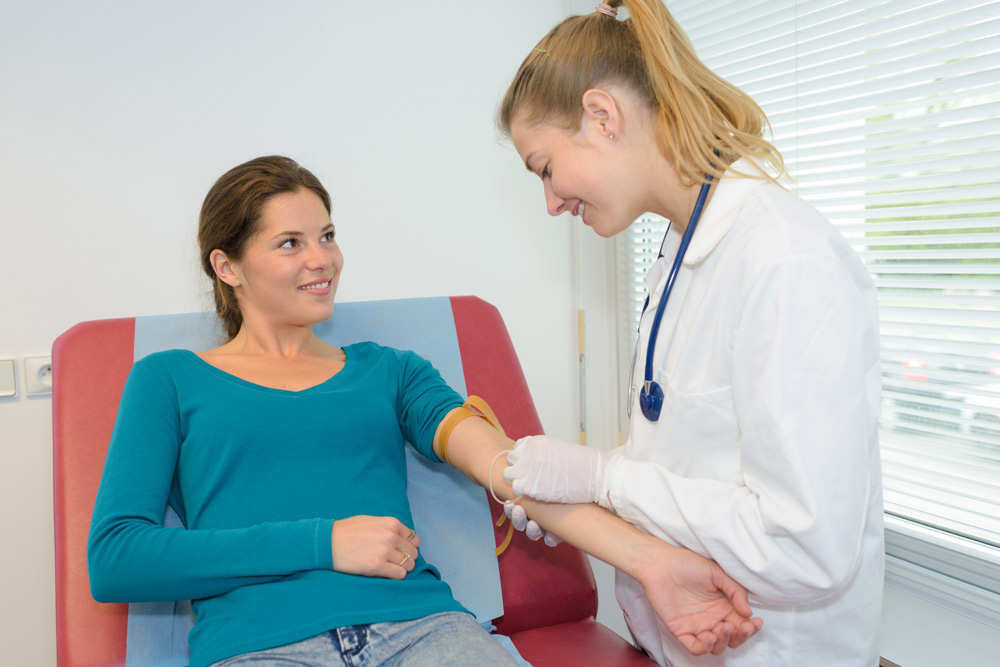
How to Volunteer as a Phlebotomist: A Guide to Making a Difference in Healthcare
volunteering as a phlebotomist is an impactful way to contribute to the healthcare community and assist patients in need. If you’re passionate about healthcare, interested in blood collection, and eager to make a difference, this guide will walk you through the steps to become a volunteer phlebotomist. From understanding the essential requirements to practical tips and real-life case studies, you’ll find everything you need to start your volunteering journey.
Introduction
Phlebotomists play a vital role in the healthcare system by collecting blood samples used for diagnostics, transfusions, and research. volunteering as a phlebotomist not only allows you to give back to your community but also enhances your skills, builds valuable experience, and deepens your understanding of medical processes. Whether you’re a certified professional or an aspiring healthcare worker, volunteering can be a fulfilling way to make a meaningful impact in patient care.
Why Volunteer as a Phlebotomist?
- Contribute to Community Health: Help underserved populations access essential healthcare services.
- Gain Practical Experience: Enhance your skills in blood collection, patient interaction, and medical procedures.
- Support Medical Facilities: Assist hospitals, clinics, blood banks, and charitable organizations in their missions.
- Personal Fulfillment: Experience the reward of making a tangible difference in people’s lives.
- Network with Healthcare Professionals: Build connections that could benefit your career progress.
Qualifications and Skills Needed to Volunteer as a Phlebotomist
While some volunteer opportunities may require formal certification, many organizations are open to individuals with the right skills and a compassionate attitude. Here’s what you’ll typically need:
- Basic Phlebotomy Certification: Some positions require a certified background, but you can also volunteer in supportive roles.
- Strong Communication Skills: Ability to comfort and reassure nervous patients.
- Attention to Detail: Ensuring correct blood labeling and handling.
- adaptability and Patience: Handling different patient needs with kindness.
- Legal Age: Most volunteer programs require candidates to be at least 18 years old.
- Background Checks: Willingness to undergo screening for safety and compliance purposes.
Step-by-Step Guide to Volunteering as a Phlebotomist
- Research Volunteer Opportunities: Start by looking into hospitals, blood banks, clinics, and nonprofit organizations that accept phlebotomy volunteers.
- Meet the Requirements: Ensure you have the necessary certifications, skills, and background clearance.
- Create a Strong Submission: Prepare your resume highlighting relevant experience and a compelling cover letter explaining your motivation to volunteer.
- Apply and Interview: Submit your application, attend interviews, and discuss your availability and skills.
- Complete Training and Orientation: Attend any required training sessions or orientations to familiarize yourself with protocols and policies.
- Start Volunteering: Participate actively, ask for feedback, and strive to provide excellent patient care.
Practical Tips for Effective Volunteering
- Practice Good Hygiene: Follow all safety and infection control protocols.
- communicate Clearly: Explain procedures to patients to reduce anxiety.
- Be Patient and Compassionate: Some patients may be fearful or anxious, so a gentle approach is key.
- Stay updated: Keep your skills current with ongoing training or refresher courses.
- Maintain Professionalism: Respect patient privacy and adhere to confidentiality guidelines.
Benefits of Volunteering in Phlebotomy
| Benefit | Description |
|---|---|
| Skill Development | Enhance your blood collection techniques and patient communication skills. |
| Community Impact | Help improve healthcare access for underserved populations. |
| Career Advancement | Build a professional network and gain experience for future healthcare jobs. |
| Personal Satisfaction | Experience the fulfillment of contributing to vital healthcare services. |
Real-Life Success Story: Making a Difference as a Volunteer Phlebotomist
Jane Doe, a certified phlebotomist, volunteered at her local community blood bank for over a year. She shared her experience:
“Volunteering as a phlebotomist allowed me to give back while honing my skills. I worked with patients from diverse backgrounds, many of whom where anxious or scared. seeing their relief after the procedure was incredibly rewarding. It also opened doors for me to network with healthcare professionals and eventually land a paid position in a hospital.”
First-Hand Tips from Volunteer Phlebotomists
- Stay Calm: Keeping your composure helps patients feel more comfortable during blood draws.
- Prepare Your Supplies: Always check your equipment and have backups ready.
- Practice Empathy: Understand patient fears and approach with kindness.
- Seek Feedback: Regularly ask supervisors or colleagues for ways to improve.
Conclusion
Volunteering as a phlebotomist is a noble and rewarding endeavor that allows you to contribute meaningfully to healthcare. Whether you’re a trained professional or an aspiring healthcare worker, your skills can make a real difference in patients’ lives. By following the steps outlined in this guide-researching opportunities, meeting qualifications, and practicing good patient care-you can embark on a fulfilling journey in medical volunteering. Remember, every blood sample you collect is a step toward better health and hope for those you serve. Start your volunteering adventure today and be part of a community that cares.
Additional Resources
- National Accrediting Agency for Clinical Laboratory Sciences (NAACLS)
- American Medical Technologists (AMT)
- American Red Cross Blood Services
Ready to Make a Difference?
If you’re interested in volunteering as a phlebotomist, reach out to local hospitals, clinics, or blood donation centers today. Your dedication can save lives and help strengthen community health. Let your skills and compassion lead the way!