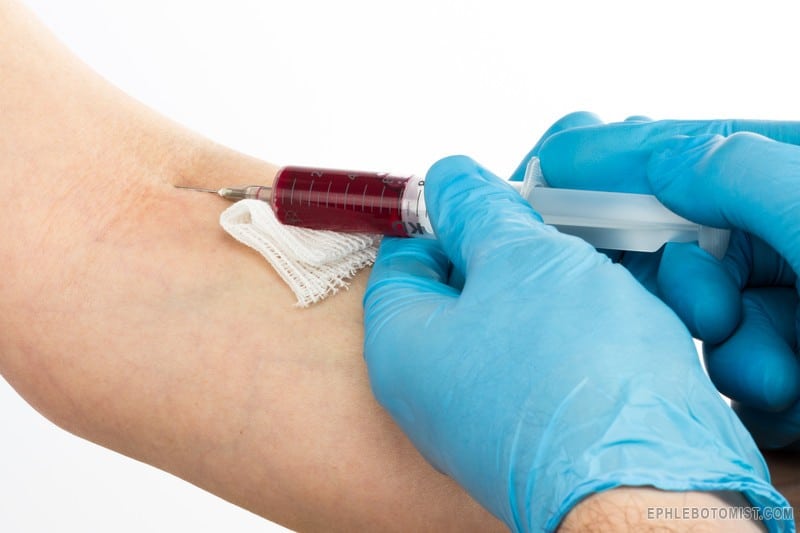
How to Start a Successful Blood Drawing Career: Your Guide to Becoming a Certified Phlebotomist
Are you interested in pursuing a rewarding healthcare career that combines specialize skills and compassionate patient care? Becoming a certified phlebotomist is an excellent choice for individuals eager to make a difference, work in medical laboratories, clinics, or hospitals, and enjoy a flexible work environment. In this comprehensive guide, we’ll walk you through the essential steps to start your blood drawing career, tips for success, benefits of becoming a certified phlebotomist, and insider advice to help you stand out in this growing healthcare field.
What Is a Phlebotomist and Why Is It a Promising Career?
A phlebotomist specializes in drawing blood for tests, transfusions, donations, or research. Their role is critical in diagnosing health conditions, managing treatments, and supporting medical research. With healthcare continuously evolving, the demand for skilled phlebotomists is on the rise, making it a promising career path.
- High employment outlook: Growing healthcare needs mean increased job opportunities.
- Competitive salaries: Entry-level positions typically start with attractive wages.
- flexible schedules: Many placements offer part-time, full-time, and travel opportunities.
- Minimal educational requirements: Certification programs are accessible and comparatively quick to complete.
Steps to Starting Your Blood Drawing Career
1. Understand the Role and Requirements
Before embarking on your journey, it’s vital to familiarize yourself with what a phlebotomist does and the qualifications required. The primary duties include collecting blood samples, labeling specimens accurately, maintaining equipment, and ensuring patient comfort. Most states or employers require certification, which ensures you have the necessary skills and knowledge.
2. Meet the educational Requirements
Typically, a high school diploma or GED is necessary to enroll in a phlebotomy training program. Some programs may require prerequisites like biology or health courses, but many are open to beginners.
3. Enroll in a Certified Phlebotomy Training Program
Choosing the right training program is crucial.Look for accredited courses that cover:
- Basic anatomy and physiology
- Safety protocols and infection control
- Proper blood collection techniques
- Proper specimen handling and labeling
- Patient interaction and interaction skills
Training can be completed through community colleges, vocational schools, or online platforms. The duration ranges from a few weeks to several months, depending on the program.
4. Obtain Certification
Most states and employers require phlebotomy certification. The most recognized certifying agencies include:
| Certification Body | Requirements | Exam Type |
|---|---|---|
| American Society for Clinical Pathology (ASCP) | Completion of approved training + clinical experience | Written exam |
| National Phlebotomy Association (NPA) | Training + clinical practise hours | Written exam |
| American Medical technologists (AMT) | Training program + clinical experience | Written exam |
Preparing adequately for certification exams is vital. Many training programs include exam preparation resources, and practice tests are available online.
5. apply for Jobs and gain Practical Experience
With your certification in hand, start applying for entry-level phlebotomy positions. Gaining hands-on experience is essential for career advancement and confidence building. Consider internships or volunteer opportunities if you’re just starting out.
Practical Tips for Building a Successful Blood Drawing Career
- develop excellent interpersonal skills: Patience, compassion, and clear communication are key.
- Prioritize safety and hygiene: Always adhere to infection control protocols to protect yourself and patients.
- Stay current with industry developments: Attend workshops,webinars,and continuing education courses.
- Network with professionals: Join associations like NPA or ASCP for opportunities and mentorship.
- Maintain certification: Stay compliant with recertification requirements to ensure your credentials remain valid.
Benefits of Becoming a Certified Phlebotomist
Choosing a career as a certified phlebotomist offers numerous benefits beyond job stability and good pay:
- Quick entry into healthcare: Most certification programs are short-term, allowing you to start working quickly.
- Job satisfaction: Helping patients and being part of vital medical procedures is highly rewarding.
- Career growth potential: Opportunities to specialize or advance into roles such as phlebotomy supervisor or healthcare technician.
- Flexible work environment: work in hospitals, clinics, laboratories, blood donation centers, or mobile units.
- Impact on patient health: Your role directly supports accurate diagnosis and effective treatment.
Case Study: from Novice to expert Phlebotomist
Consider Sarah’s journey-initially hesitant but determined. After completing a certified training course, she obtained her certification and started working at a community clinic. Over time, she mastered challenging draws, built strong patient relationships, and was promoted to lead phlebotomist. Her story exemplifies how dedication, continuous learning, and genuine care can foster a successful career in blood collection.
First-Hand Experience: What to Expect on the Job
Working as a phlebotomist involves a mix of technical skills and compassionate patient interaction. Expect to:
- Set up the blood drawing area with sterile equipment
- Identify patients accurately using ID protocols
- Choose appropriate blood collection sites
- ensure proper labeling and transportation of specimens
- Manage difficult veins or patient anxieties tactfully
While it can be physically demanding at times, the fulfillment of helping people and supporting healthcare makes it worthwhile.
Summary: Your Path to a Successful Blood Drawing Career
Starting a successful career as a certified phlebotomist involves understanding the role, completing accredited training, obtaining certification, and gaining practical experience. Emphasizing compassionate patient care and continuing education will set you apart in this dynamic healthcare field. Whether you seek job stability, the chance to make a positive impact, or a stepping stone to further healthcare roles, phlebotomy offers a rewarding pathway.
Begin Your Phlebotomy Training Today
Conclusion
Embarking on a career as a certified phlebotomist is a smart choice for those passionate about healthcare, patient service, and technical proficiency. With the right training, a professional attitude, and an ongoing commitment to learning, you can build a satisfying and stable career in blood collection. Start today and take the first step toward becoming an essential part of the healthcare system. Your future as a successful blood drawing specialist awaits!