How to Start a Career in Phlebotomy: Beginner’s Guide to Getting Certified and Hired
If you’re exploring a healthcare career with clear demand and hands-on patient interaction,phlebotomy offers a compelling path. Phlebotomists specialize in drawing blood, preparing samples for analysis, and ensuring patient safety during venipuncture. This beginner’s guide walks you through the essentials:
- What phlebotomy is and why it’s a stable, entry‑level healthcare role
- How to choose the right training program and certification
- Ways to prepare for the exam and stand out to employers
- Strategies to land your first phlebotomy job and advance your career
By the end, you’ll have a clear, actionable roadmap to becoming a certified phlebotomist and starting your clinical laboratory journey with confidence.
why a Career in Phlebotomy Makes Sense
Phlebotomy is a foundational role in healthcare. It supports accurate diagnoses, timely treatments, and reliable lab results. Here are some compelling reasons to consider this path:
- Strong job demand: Hospitals, clinics, blood banks, and diagnostic laboratories regularly hire phlebotomists.
- Accessible training: Many reputable programs offer short,focused curricula with hands-on practice.
- Clear certification routes: Multiple certifying bodies provide credentialing that employers recognize.
- Career versatility: Opportunities exist in many regions and settings,including mobile phlebotomy and healthcare facilities.
Getting Started: Education and Training
Most aspiring phlebotomists start with a formal training program. These programs typically combine classroom instruction with supervised clinical practice to ensure you’re proficient in venipuncture and specimen handling.
What to study in phlebotomy training
- Phlebotomy techniques and safety (venipuncture, capillary collection, needle safety)
- Specimen labeling and chain-of-custody
- Specimen handling, transport, and storage
- Your state’s regulatory and licensure requirements
- Medical terminology, anatomy of the circulatory system
- Patient communication and ethics
- Safety: PPE, infection control, and emergency readiness
Program length, formats, and cost
- Length: Most programs run 6-12 weeks for the core phlebotomy technician coursework, plus a mandatory clinical externship.
- Format: In-person, hybrid, or online theory with an on-site externship component.
- Cost: Tuition varies widely by school and region. Expect a broad range; many students pay between a few hundred to a few thousand dollars, depending on the depth of externship and included materials.
Clinical externship and hands-on practice
Clinical externships are critical. They give you real-world experience drawing blood under supervision, handling specimens, and communicating with patients. Positive externship performance can influence entry into full-time roles after certification.
Certification Pathways: How to Become a Certified Phlebotomist
Certification validates your skills and increases employability. In the United States (and many other regions),several certifying bodies offer reputable credentials. The most common pathways are:
- Phlebotomy Technician Certification (CPT) – typically offered by organizations like the American Society for Clinical Pathology Board of Certification (ASCP BOC). This credential signals proficiency in collecting blood samples and handling specimens.
- Phlebotomy Technician Certification (PBT) - offered by the National healthcareer Association (NHA) and other bodies. It emphasizes practical competencies and patient safety.
- State-specific or employer-sponsored certifications - some states or employers require or prefer certain credentials, especially in regulated clinical laboratories.
General certification requirements
- Completion of an accredited phlebotomy training program (often 6-12 weeks, plus externship)
- Clinical hands-on exam or practical assessment during or after externship
- Triumphant written exam testing venipuncture technique, specimen labeling, and safety protocols
- CPR or Basic Life support (BLS) certification is commonly encouraged or required by some programs or employers
Choosing a certification path
Consider the following when selecting a certifying body:
- Recognition in your target employment market
- Pass rates and exam format
- Recertification requirements and continuing education
- Support services, practice tests, and study resources
How to Choose the Right Phlebotomy School
Investing in a solid training program is critical for your long-term success. Here are practical criteria to guide your decision:
- Clinical externships: Programs with structured externships in real clinical settings boost confidence and employability.
- Faculty experience: Instructors with active clinical lab experience improve hands-on instruction.
- Job placement support: Some schools offer career services, resume reviews, interview coaching, and employer connections.
- Reviews and outcomes: Check graduate success rates, licensing pass rates, and reviews from former students.
Exam Preparation and Testing: practical Tips
Being well-prepared for your certification exam is key to earning your CPT or PBT credential on the first attempt.
Study strategies
- Create a study schedule that covers anatomy, venipuncture steps, safety protocols, and specimen handling.
- Use practice tests and flashcards to reinforce key concepts and safety practices.
- Join study groups or online communities to discuss challenges and share resources.
- Take advantage of any official practice exams provided by the certifying body.
Test-day tips
- Bring required IDs and any certification-specific documents.
- Get a good night’s sleep before the exam and stay hydrated.
- Read questions carefully, then answer with confidence-you’ve trained for this.
Practical Tips for Getting Hired as a Phlebotomist
Securing your first phlebotomy role is about combining credentialing with hands-on experience and professional presentation.
Resume and cover letter highlights
- Highlight your training, externship sites, and any patient-care experience (even from internships or volunteer roles).
- Showcase technical skills: venipuncture, capillary collections, specimen labeling, handling, transport, and safety compliance.
- Include certifications: your phlebotomy certificate, CPR/BLS, and any relevant continuing education.
- Quantify achievements when possible (e.g., “perform 40 successful draws per shift with zero errors under supervision”).
Where to look for jobs
- Hospitals, urgent care centers, clinics, and outpatient laboratories
- Mobile phlebotomy services and home health agencies
- blood banks and reference laboratories
- Career fairs and health-system job boards
During interviews
- Emphasize your patient care mindset, communication skills, and ability to work under pressure.
- Share a brief story of a challenging draw you handled safely and professionally during externship.
- Explain your knowledge of safety protocols, infection control, and specimen-handling procedures.
Benefits and career Growth in Phlebotomy
Phlebotomy is a great entry point into healthcare. It frequently enough serves as a gateway to other medical careers in laboratory science, nursing, or allied health.
The demand for skilled phlebotomists remains steady across many healthcare settings, even during economic fluctuations.
Possible next steps after entry-level phlebotomy
- Move into senior phlebotomy roles, supervisory positions, or lead patient-collection teams
- Transition to medical laboratory technician (MLT) or clinical laboratory scientist (CLS) with additional education
- Explore related roles such as specimen processing, phlebotomy educator, or outreach phlebotomy services
A Quick Roadmap to Certification and Employment
Follow these actionable steps to accelerate your path from beginner to employed phlebotomist.
| Step | What to Do | Typical Timeframe |
|---|---|---|
| 1. Research programs | Compare phlebotomy training programs, externships, and certification options | 1-3 weeks |
| 2. Enroll in a program | Complete classroom and hands-on modules plus clinical externship | 6-12 weeks |
| 3.Obtain CPR/BLS | Earn Basic Life Support certification if required | 1-4 weeks (or sooner, if bundled) |
| 4. Sit for certification exam | Register with your chosen certifying body (ASCP BOC, NHA, etc.) | Scheduling varies; prepare 1-8 weeks |
| 5. Land your first job | Apply to hospitals,clinics,labs; leverage externship networks | 0-3 months after certification |
Note: Timeframes can vary by region,program length,and job market. Always verify current requirements with the certifying body and employer.
First-hand Experience: A Day in the Life of a phlebotomist
Hearing from someone in the field can help you picture the role.Here’s a concise, realistic snapshot:
- Start of shift: Review patient orders and ensure equipment readiness ( needles, tourniquets, tubes, labeling forms, PPE).
- Patient interaction: Greet patients, explain the procedure, verify identity, and reassure those who are anxious.
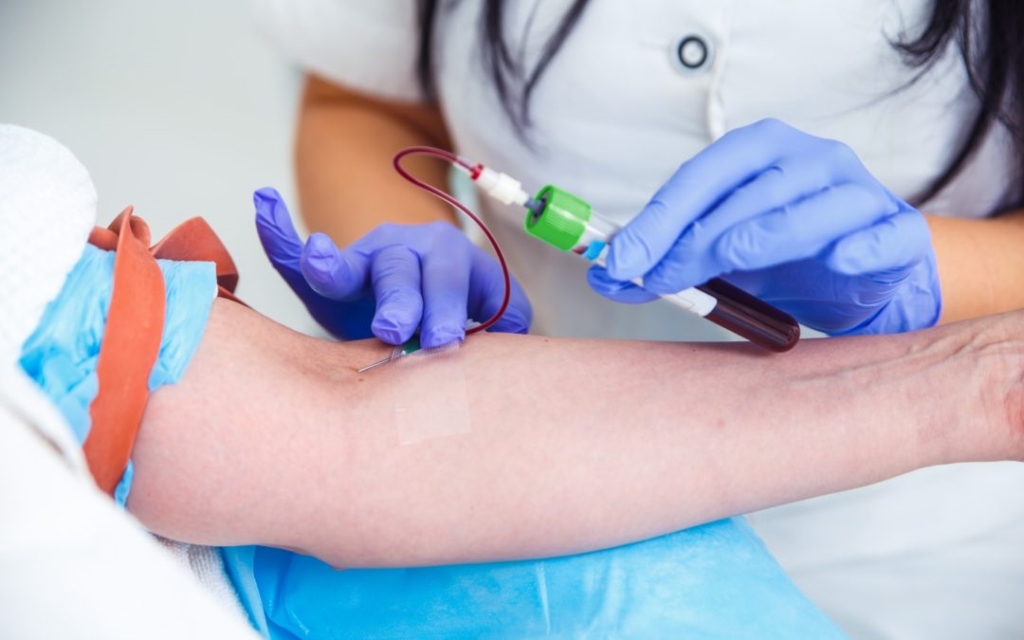
- Blood draw: Perform venipuncture using proper technique, collect required tubes, and prevent sample contamination.
- Post-draw tasks: Label samples correctly, log results, wash hands, and maintain a clean workspace.
- Team collaboration: Communicate with nurses, lab techs, and supervisors about specimen status and any issues.
This firsthand experience underscores the blend of technical skill and compassionate patient care that defines successful phlebotomists.
Conclusion: Start Your Phlebotomy Career Today
Phlebotomy offers a practical, rewarding entry point into healthcare with clear pathways to certification and meaningful patient care. By choosing a credible training program, pursuing the right certification, and actively engaging with clinical externships and job-search networks, you can position yourself for steady work and future growth in hospitals, clinics, or diagnostic labs.
Remember these key steps: research quality programs, complete hands-on training, obtain a recognized certification, prepare carefully for exams, build a robust resume, and actively pursue job opportunities. With dedication and preparation,you can begin a fulfilling phlebotomy career and lay a strong foundation for ongoing healthcare success.
If you’re ready to take the next step, consider starting with an accredited program in your area and exploring entry-level phlebotomy roles that align with your interests and location constraints.