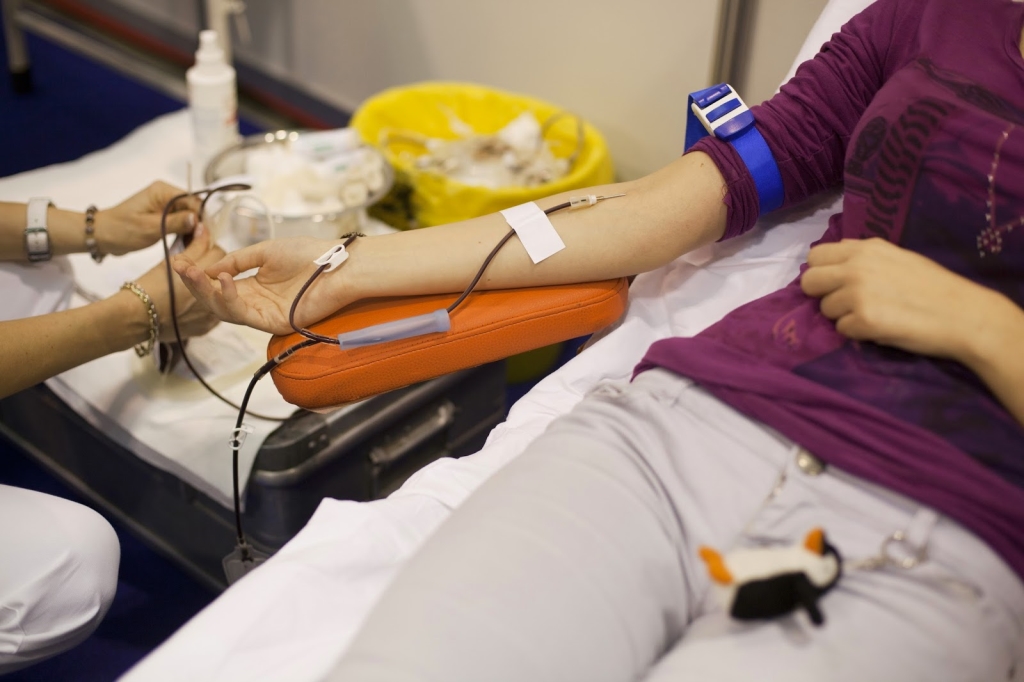
How to Register for Phlebotomy Certification: A Step-by-Step Guide to Launch your Healthcare Career
Embarking on a career in healthcare as a certified phlebotomist is an excellent choice for those interested in patient care, medical procedures, and working in fast-paced medical environments. Getting certified not only enhances your credibility but also opens doors to numerous job opportunities in hospitals, clinics, laboratories, and blood banks. If you’re wondering how to register for phlebotomy certification, this extensive guide will walk you through each step to make your journey smooth and prosperous.
Understanding the Importance of Phlebotomy Certification
Phlebotomy certification validates your skills and knowledge in drawing blood samples accurately and safely. Certification from a recognized accrediting body ensures you meet industry standards,increases employability,and can even lead to higher earning potential. The most reputable organizations include the American Society for Clinical Pathology (ASCP), National Phlebotomy Association (NPA), and American Allied health Association (AAHA).
Pre-requisites for Phlebotomy Certification
Before you begin the registration process, make sure you meet these common prerequisites:
- Educational background: High school diploma or GED.
- Basic Skills: Knowledge of human anatomy, physiology, and medical terminology.
- Practical Experience: Completion of a formal phlebotomy training program with clinical practicum or equivalent hands-on experience.
step-by-Step Guide to Register for Phlebotomy Certification
Step 1: choose a Recognized Certification Body
To ensure your certification is valid and respected, select an accredited organization such as:
| Organization | Certification Name | requirements |
|---|---|---|
| American Society for Clinical Pathology (ASCP) | Certified Phlebotomy Technician (CPT) | Training + clinical experience |
| National Phlebotomy Association (NPA) | Certified Phlebotomy Technician (CPT) | Training + exam |
| American Allied Health Association (AAHA) | Certified Phlebotomy Technician (CPT) | Training + exam |
Step 2: Complete a Certified Phlebotomy Training Program
Enroll in an accredited phlebotomy training program that includes classroom instruction and hands-on clinical practice. Many community colleges, hospitals, and technical schools offer such programs. Ensure the program covers:
- Blood collection techniques
- Safety procedures
- Patient interaction skills
- Laboratory procedures
Step 3: Gather Required Documentation
before registering for certification, compile the necessary documents:
- Proof of high school diploma or GED
- Certificates from training programs
- Identification documents
- Application forms from the certifying body
step 4: Register for the Certification Exam
Most certification organizations allow online registration. Follow these steps:
- Visit the official website of your chosen certifying organization.
- Create an account or log in.
- Select the appropriate certification exam (e.g., CPT).
- Complete the online application form.
- Pay the exam fee (typically between $70-$150).
Ensure you double-check the registration deadlines and exam locations,which may be available both online and in testing centers.
Step 5: Prepare for the Certification Exam
Use study guides, practice tests, and review materials provided by the certifying organization or from reputable educational sources. Focus on:
- Blood collection safety protocols
- Venipuncture techniques
- Patient dialogue skills
- Regulations and compliance standards
Step 6: Take the Certification Exam
On the scheduled date, arrive at the testing center with proper identification. the exam usually consists of multiple-choice questions designed to assess your technical knowledge and practical skills.
step 7: Obtain Your Certification and Maintain It
After successfully passing the exam, you’ll receive your certification, which typically needs to be renewed every 2-3 years through continuing education credits. Maintaining your certification ensures you stay current with industry standards and best practices.
Additional Tips for Success in Your Phlebotomy Career
- Attend workshops and seminars for practical skill enhancement.
- Join professional organizations like NPA for networking opportunities.
- Keep up-to-date with the latest safety and technological advancements.
Benefits of Becoming a Certified Phlebotomist
Certification offers numerous advantages, including:
- Enhanced credibility and professionalism
- Better employment opportunities
- Potential for higher salaries
- Job security in a growing healthcare field
- Opportunities for career advancement, such as specialized roles
real-Life Case Study: From Student to Certified Phlebotomist
| Name | Training Path | Certification Exam | current Role |
|---|---|---|---|
| Jane D. | Community college program | ASCP CPT Exam | Hospital Phlebotomist |
| Mike S. | Online accredited course | NPA CPT Exam | Clinic Lab Assistant |
Practical Tips for Aspiring phlebotomists
- Start early by researching accredited programs in your area.
- Practice your skills regularly, even outside training hours.
- Build strong communication skills to interact effectively with patients.
- Stay organized by keeping track of application deadlines and requirements.
- Seek mentorship from experienced professionals to gain insights and advice.
Conclusion
Registering for phlebotomy certification is a straightforward process when you follow these clear steps: choose an accredited certifying organization, complete a recognized training program, gather necessary documentation, register for the exam, prepare diligently, and pass your exam. Earning your certification not only validates your skills but also accelerates your career in the healthcare industry. With dedication, continuous learning, and passion for patient care, you can thrive as a certified phlebotomist and make a meaningful difference in patients’ lives. Start your journey today and open doors to a rewarding healthcare career!