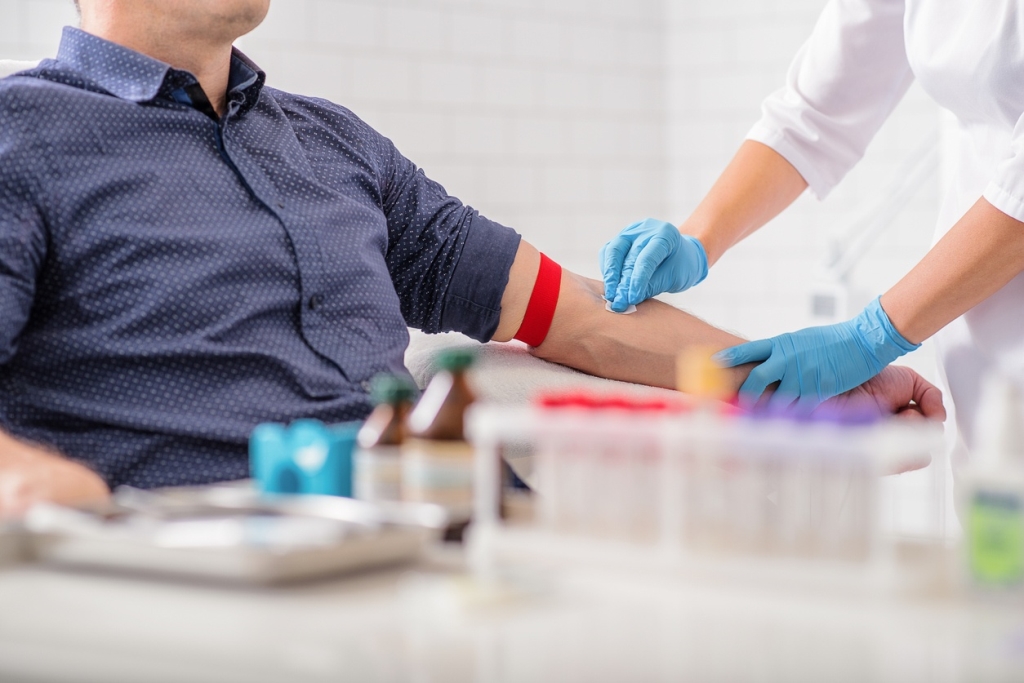
How to Obtain Your Phlebotomy State License: Step-by-Step Guide for Aspiring Phlebotomists
If you’re passionate about healthcare adn possess a keen interest in laboratory testing, becoming a licensed phlebotomist can be a rewarding career choice. Securing your phlebotomy state license is a crucial step in establishing your professional credibility and opening doors to various job opportunities. This comprehensive,step-by-step guide will walk you through the process of obtaining your phlebotomy license and provide practical insights to ensure a smooth licensing journey.
Introduction
Getting licensed as a phlebotomist not only confirms your competence in blood collection but also enhances your employability and trustworthiness in medical settings. Licensing requirements vary by state, but the core steps generally involve completing essential training, gaining hands-on experience, and passing a certifying examination. Whether you’re just starting your career or planning a transition to this exciting field, understanding the licensing process is key to success.
Why Is Phlebotomy Licensing Important?
- Professional Credibility: Demonstrates your qualifications and commitment to quality care.
- Legal Compliance: Meets state regulations that govern healthcare professionals.
- Employment Opportunities: Many healthcare facilities require licensed phlebotomists.
- Patient Safety: Ensures you have the necessary skills for safe and effective blood collection.
Step 1: Research Your State’s Licensing Requirements
Licensing requirements for phlebotomy professionals vary by state, so your first step should be to research the specific rules applicable in your location. Visit your state’s health department or licensing board website for detailed information. Common requirements include:
- Minimum educational prerequisites
- Completion of accredited phlebotomy training programs
- verification of clinical experience
- Passing a recognized certification exam
Some states may also have additional requirements, such as criminal background checks or continuing education provisions. Familiarize yourself wiht the latest regulations to ensure compliance.
Step 2: Complete an Accredited Phlebotomy training Program
Enrolling in an accredited phlebotomy training program is mandatory in most states. these programs typically include classroom instruction and practical lab work covering topics like anatomy, blood collection techniques, safety protocols, and infection control.
Tips for choosing the right program:
- Verify accreditation status from organizations like the National Accrediting Agency for Clinical Laboratory Services (NAACLS)
- Look for programs with comprehensive hands-on training
- Consider tuition costs, program duration, and scheduling adaptability
- Check alumni reviews and success rates
table 1: Common Phlebotomy Training Program Features
| Feature | Details |
|---|---|
| Duration | 2-4 weeks (full-time), or flexible part-time options |
| Clinical Hours | At least 40 hours of hands-on practice |
| Certification | Certificate of Completion |
| Cost | $1,000 – $3,000 depending on provider |
Step 3: Gain Clinical Experience and Submit Documentation
Most licensing boards require proof of clinical experience, which is often accumulated during your training program. Keep detailed records of your practicum hours, including supervised blood draws and patient interactions. Some states may require a minimum number of successful venipunctures or capillary punctures.
Prepare your documentation, including:
- Certificate of completion from your training program
- Clinical experience log
- Proof of any additional certifications or immunizations
Step 4: Pass a Recognized Certification Exam
Passing a certifying exam is typically the final step before licensing. The most reputable certifying agencies include:
- American Society for Clinical Pathology (ASCP) – CPT
- national Healthcareer Association (NHA) - CPT
- American Medical Technologists (AMT) – RPT
Planning tips for the exam:
- Utilize practice exams and study guides
- Attend review classes if available
- Focus on topics like specimen handling, safety procedures, and anatomy
Step 5: Submit Your Application for Licensing
After passing your certifying exam, submit your application to your state licensing board. This typically involves:
- Filling out an application form online or via paper
- Paying application fees (varies by state)
- Providing proof of certification and training completion
- Submitting background check consent forms
Processing times vary but generally take between a few weeks to a couple of months.
additional Tips for a Smooth Licensing Process
- Stay organized: Keep copies of all documents and correspondence.
- Follow up: Track your application status and communicate with the licensing board if needed.
- Maintain credentials: Complete continuing education requirements to renew your license periodically.
- Network and seek mentorship: Engage with professional organizations like the American Society for Clinical Pathology (ASCP) for ongoing support and career growth.
Benefits of Being a Licensed Phlebotomist
- Enhanced credibility: patients and employers trust licensed professionals.
- Increased job prospects: Many healthcare facilities prefer or require licensed phlebotomists.
- Career advancement: Licenses can open pathways to supervisory roles or specialized healthcare positions.
- Higher earning potential: Licensed phlebotomists often command better salaries than their unlicensed counterparts.
practical Tips for Aspiring Phlebotomists
- Focus on developing strong communication and patient care skills.
- Always adhere to safety and infection control protocols.
- seek real-world experience through internships or volunteering.
- Stay updated on changing regulations and best practices in phlebotomy.
- Join professional organizations to network and access continuing education resources.
Case Study: From Student to Certified Phlebotomist
Jane’s Journey
Jane completed an accredited phlebotomy training program, which included 50 supervised blood draws. She then passed the NHA certification exam and submitted her application to her state’s licensing board. Within two months, she received her license and secured a position at a busy outpatient clinic. Jane’s dedication and thorough preparation exemplify the path to licensure success.
Conclusion
Obtaining your phlebotomy state license is a vital step toward establishing a successful career in healthcare. By thoroughly researching your state’s requirements, completing accredited training, gaining clinical experience, and passing a recognized certification exam, you’ll be well on your way to becoming a licensed phlebotomist. Remember, staying organized, committed, and continuously seeking professional growth will ensure long-term success in this fulfilling field.
Embark on your journey today-your future as a licensed phlebotomist starts with these essential steps!