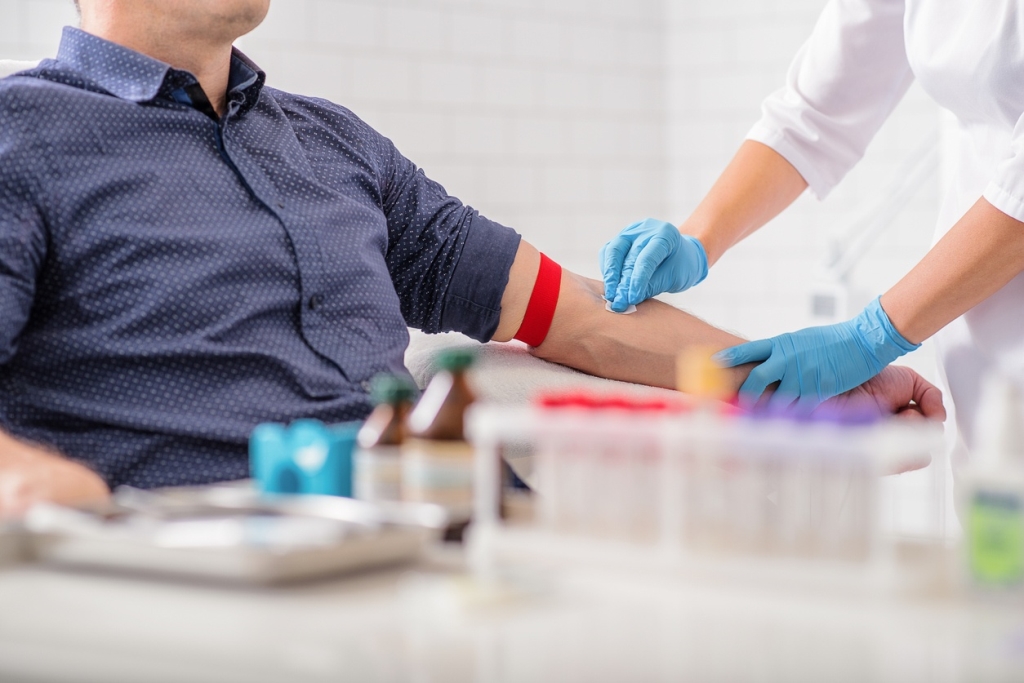
How to Get Your Phlebotomy License: Step-by-Step Guide to Starting Your Career
If you’re considering a rewarding healthcare career that blends science,patient care,and hands-on skills,phlebotomy is a fantastic option. A glass of blood, a calm demeanor, and precise technique can open doors to hospital labs, outpatient clinics, blood donation centers, and mobile phlebotomy services. This step-by-step guide explains how to get your phlebotomy license or certification, what programs to choose, how to prepare for the exam, and how to start your career with confidence.
Understanding the Path: License versus Certification
Before you dive into programs, it’s essential to understand how “phlebotomy license” and “phlebotomy certification” work in practice. In many states,you do not need a standalone license to perform phlebotomy; instead,employers require professional certification from a recognized association,and some states require licensure or registration for practitioners. The exact rules vary by state, city, and employer, and some healthcare facilities may have stricter requirements for clinical placement or job eligibility.
- Certification typically demonstrates that you have completed approved training and passed an exam. Common certifying bodies include ASCP, NHA, and AMT.
- Licensure is a state-level status you may need to practice in certain jurisdictions. Some states grant licensure based on certification, while others require additional steps or renewals.
- Always check your state’s health department or medical board website and talk to potential employers to confirm the exact requirements.
step 1: Research State Requirements and Local Job Market
Start with a moving checklist so you don’t miss critical steps or deadlines:
- Identify the state where you plan to work and verify licensure or certification requirements for phlebotomy.
- Ask prospective employers about preferred certifications and whether they hire certified phlebotomy technicians (PBTs) or phlebotomy technicians (CPTs).
- Note any additional requirements, such as background checks, immunizations, or CPR certification.
- Look at job postings to gauge demand, average salaries, and typical career progression.
Tip: Create a simple timeline to track request windows for programs,exams,and licensure renewals.This keeps you on track and reduces stress during busy semesters or clinical rotations.
Step 2: Choose a Reputable Phlebotomy Training Program
A strong program is the foundation of your phlebotomy career. Look for:
: A balanced mix of classroom instruction and hands-on practice with real specimens and clinical rotations. : Certificate programs often run 8-16 weeks, while diploma programs may be longer. Hours typically range from 80 to 200 total hours, including clinical practice. : Some programs offer job search assistance, internship placement, or resume coaching.
Program formats to consider:
- On-campus certificate programs with in-person clinicals
- Online didactic courses paired with local clinical externships
- Hybrid programs combining online theory with on-site labs and clinicals
Key takeaway: choose a program that aligns with your schedule, budget, and the certification options you plan to pursue after graduation.
typical Phlebotomy Training Content
- Anatomy and physiology of the circulatory system
- Venipuncture and dermal puncture techniques
- Specimen collection, labeling, and handling
- Infection control, OSHA standards, and patient safety
- Quality control, specimen processing, and test ordering
- Clinical rotations in laboratories or patient-care settings
Step 3: Complete Training and clinical hours
The hands-on portion is where you gain real-world comfort and precision. Expect supervision and mentoring during clinical rotations. Clinical hours are not just a requirement; they’re the first prospect to build confidence with real patients, assessors, and laboratory staff. Here’s how to maximize this phase:
- Keep a log of completed draws, including site, patient age, and any difficulties encountered.
- Ask for feedback after each shift and apply constructive tips promptly.
- Practice proper technique, including tourniquet application, vein selection, and safe needle disposal.
- Review common test panels and what specimens mean for diagnoses to improve your clinical understanding.
By the end of your clinical hours, you should be able to demonstrate consistent, safe venipuncture, proper specimen handling, and professional patient communication.
Step 4: Choose and Prepare for Certification
Certification demonstrates to employers that you have met nationally recognized standards. The three most common certifying bodies are ASCP, NHA, and AMT. Each offers one or more certification options for phlebotomy professionals.
Certification Options
| Option | Organization | What It Covers | Typical Eligibility |
|---|---|---|---|
| Phlebotomy Technician (PBT) | ASCP | Venipuncture techniques, specimen handling, safety and ethics | Graduates of an approved phlebotomy program or equivalent clinical experience |
| Phlebotomy Technician (CPT) | NHA | Front-line phlebotomy skills, patient interaction, quality control | Program completers or 1,000+ hours of clinical phlebotomy experience (verification may be required) |
| Phlebotomy Technician (PBT) | AMT | Phlebotomy core competencies, safety, specimen integrity | Completion of an approved training program with clinical assessment |
Which certification is best for you? Consider the following factors:
- Your geographic location and employer preferences
- Time to prepare and cost of the exam
- Required renewals and continuing education (CE) requirements
- Recognition by local laboratories and hospitals
Step 5: Pass Your Certification Exam
Readiness is the key to success. A well-structured study plan helps ensure you cover all essential topics and feel confident on exam day. Here are practical strategies:
- Create a 6-8 week study plan with daily short sessions and weekly practice exams.
- Use official candidate handbooks and practice questions from the certifying body.
- Join study groups or online forums to discuss arduous concepts and common test questions.
- Take care of yourself: get enough sleep, manage stress, and maintain a healthy routine around exam day.
Reset expectations if you don’t pass on the first try. Review the exam feedback, adjust your study plan, and schedule a retake when you’re ready.
Step 6: Apply for licensure (If Required)
Some states require licensure after certification. If your state uses licensure, you’ll typically need to:
- Submit an application with proof of education, clinical hours, and certification
- Provide a background check and immunization records
- Pay licensure fees and meet any state-specific requirements
- Renew licensure periodically, often every 1-4 years, with CE credits
Tip: Schedule licensure steps early to avoid delays in starting your new role. Some employers won’t hire until licensure is active.
Step 7: Maintain Certification and Continuing Education (CE)
Phlebotomy certification is not a one-and-done achievement. To stay current and maintain your credential, you’ll need ongoing CE credits and periodic recertification. Here’s what to expect:
- CE requirements vary by certifying body (hours, topics, and reporting methods).
- Keep your contact information up to date with the certifying agency so you receive renewal notices.
- Engage in ongoing professional development-refresher courses, new technology, or updated safety protocols.
Pro tip: Set reminders a few months before your certification expires to gather CE credits and avoid lapses.
Step 8: Launch Your Phlebotomy Career
With certification in hand and licensure (if required) active, you’re ready to begin your career. Consider these practical steps to accelerate your job search and success in the field:
- polish your resume with a clear phlebotomy-focused summary, hands-on skills, and clinical rotation experiences.
- Prepare a strong cover letter tailored to each lab, clinic, or hospital you apply to.
- Leverage local healthcare networks, externship coordinators, and job boards to find opportunities.
- Practice professional patient communication,especially when performing venipuncture on anxious patients.
- Ask about cross-training in related roles (specimen processing, point-of-care testing) to increase your value.
Benefits and Practical Tips for New Phlebotomists
Here are some fast, practical tips to help you thrive in the early stages of your phlebotomy career:
- Consistency matters: refine your technique through practice and ongoing feedback.
- Patient-centered approach: explain procedures briefly,maintain privacy,and address concerns with empathy.
- Safety first: adhere strictly to infection control, PPE protocols, and needle disposal guidelines.
- Time management: learn efficient venipuncture sequences to handle high patient volumes respectfully.
- Professional growth: seek opportunities to observe other lab roles to broaden your understanding of the workflow.
Case Studies: Real-World Scenarios
Case Study 1: A Successful Certification Path
Maria, 22, completed a 12-week on-campus phlebotomy program with 120 total hours and a clinical rotation at a community hospital. She chose the ASCP PBT certification after consulting with her program advisor and local employers. maria studied for 6 weeks, attended weekly study groups, and passed on her first attempt.She then applied for licensure (where required) and secured a role as a phlebotomy technician in a hospital outreach program, enjoying steady work and opportunities to learn new specimen collection techniques.
Case Study 2: Overcoming a Challenge in Certification
Jordan, 28, studied online for a hybrid program and faced difficulty with pediatric venipuncture. After extra practice sessions with simulators and a few supervised draws, he improved dramatically. He later passed the NHA CPT exam and was hired by a regional lab chain that valued his commitment and resilience. He credits his clinical hours and mentorship as the turning points in his readiness for the workforce.
Quick Start Timeline: A Practical, At-a-Glance Plan
| Phase | What to Do | Typical Timeframe |
|---|---|---|
| Research | Check state requirements; identify job market | 1-2 weeks |
| Program Selection | Choose accredited program; confirm certification options | 2-4 weeks |
| Training & Clinicals | Complete coursework and hands-on externship | 8-16 weeks |
| Certification Exam | Prepare and sit for ASCP/NHA/AMT exam | 2-8 weeks (prep) + exam day |
| Licensure (if required) | Submit application and documents | 4-12 weeks |
| Job Search | Update resume; apply to positions; interview | 4-12 weeks |
| CE & Renewal | Plan CE credits for renewal period | Ongoing every 1-4 years |
Resources and Further reading
To deepen your knowledge and stay current, check these resources:
- ASCP | Phlebotomy Certification (PBT)
- National Healthcareer Association (NHA) | phlebotomy Certification
- American Medical Technologists (AMT) | Phlebotomy Technician Certification
- State health department or medical board websites for licensure requirements
- Local hospitals and laboratories for apprenticeship or externship opportunities
Conclusion: Your Phlebotomy Career Starts Here
Getting your phlebotomy license or certification is a structured journey that combines education, hands-on practice, and a commitment to patient care. By choosing an accredited program, completing clinical hours, preparing for and passing a respected certification exam, and understanding your state’s licensure requirements, you’ll be well-positioned to begin a meaningful career in healthcare. The path is clear, the demand for skilled phlebotomists is steady, and the opportunities to grow-into lead roles, supervisory positions, or specialized laboratory work-are abundant. Start today, stay curious, and let your steady hands and compassionate approach open doors to a rewarding career in the blood collection field.