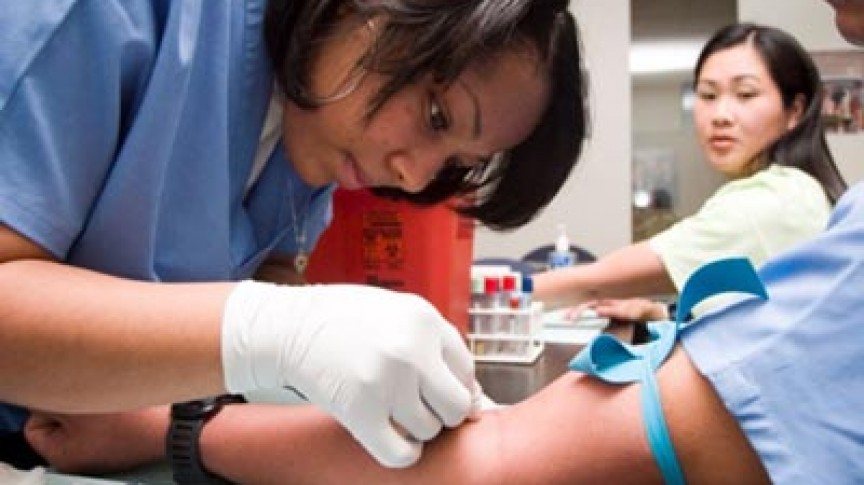
How to Get Phlebotomy Certification: Step-by-Step Guide to Starting Your Medical Career
If you’re passionate about healthcare and interested in a rewarding career that involves drawing blood and assisting patients, becoming a certified phlebotomist is an excellent choice. This thorough guide will walk you through the essential steps to earn your phlebotomy certification, opening doors to a fulfilling medical career. Whether you’re just starting out or looking to enhance your qualifications, understanding the certification process is key to achieving your professional goals.
Benefits of Becoming a certified Phlebotomist
- Enhanced Employment Opportunities: Certified phlebotomists are in high demand across hospitals, clinics, laboratories, and blood donation centers.
- Higher Earning Potential: Certification can lead to increased salaries and advancement opportunities.
- Professional Credibility: Certification validates your skills and knowledge, earning trust from employers and patients.
- Foundational Medical Skill: Serves as a stepping stone for further healthcare education and career advancements.
Step-by-step Guide to Obtain Your Phlebotomy Certification
Step 1: Research State Requirements and Certification Options
Before embarking on your certification journey, itS essential to understand your state’s specific requirements. Some states mandate certification for phlebotomists, while others may have diffrent licensing rules. Begin by researching state health departments and reviewing recognized certification organizations such as:
- American Society for Clinical Pathology (ASCP)
- National Healthcareer Association (NHA)
- American Medical Certification Association (AMCA)
- National Phlebotomy association (NPA)
This research ensures you pursue accredited programs aligned with your career goals.
Step 2: Enroll in a certified Phlebotomy Training Program
Most certification bodies require completion of a formal phlebotomy training program. search for programs that include:
- Hands-on clinical experience
- Comprehensive coursework on anatomy, safety protocols, and specimen handling
- Planning for certification exams
Look for programs that are approved by national certifying agencies to ensure your training meets industry standards.
Step 3: Complete Required Training Hours and Clinical Practice
The clinical component is crucial.Typically, training programs require between 40-120 hours of practical experience, during which you’ll learn to:
- Perform venipunctures confidently
- Maintain sterile techniques
- Properly label and handle specimens
This experience helps build competence and prepares you for the certification exam.
Step 4: Prepare for the Certification Exam
After completing your training, it’s vital to prepare thoroughly for the certification exam. Resources include:
- Study guides provided by certifying organizations
- Practice tests and online courses
- Joining study groups or forums
Focus on areas such as anatomy, safety procedures, collection techniques, and infection control.
Step 5: Take and Pass the Certification Examination
Register for the exam through your chosen certifying agency. The exam typically covers:
| exam Components | Description |
|---|---|
| Multiple choice questions | Assessing theoretical knowledge of phlebotomy procedures |
| Practical presentation (if applicable) | Performing venipuncture in a controlled setting |
| Time Limit | Usually 2-3 hours |
Passing the exam earns you your official phlebotomy certification.
Step 6: Obtain Your Certification and Apply for Jobs
Once certified, you’ll receive a certificate and possibly a wallet card. Use these credentials to apply for positions in hospitals, outpatient clinics, laboratories, and blood donation centers. Remember to maintain your certification through continuing education, as renewal is often required every 1-2 years.
Practical Tips for Success in Getting Your Phlebotomy Certification
- Choose accredited programs: Quality training ensures you meet industry standards and succeed in certification exams.
- Gain hands-on experience: Practice as much as possible during training to develop confidence and skill.
- Stay organized: Keep track of deadlines, certifications, and paperwork.
- Network with professionals: Join local healthcare groups or online forums to learn from experienced phlebotomists.
- Prioritize patient safety and comfort: Your professionalism impacts your success and patient trust.
Case Study: From Student to Certified Phlebotomist
Maria, a recent healthcare graduate, decided to pursue phlebotomy certification to enhance her job prospects. She enrolled in an accredited program near her home, completed 80 hours of clinical practice, and passed her certification exam on the first attempt. Today,Maria works full-time at a local hospital,enjoys job stability,and is considering further medical certifications. Her journey exemplifies how dedication and proper training can launch a rewarding medical career.
Conclusion: Your Pathway to a Triumphant Medical Career Starts Here
Getting your phlebotomy certification is a practical, rewarding step towards a fulfilling career in healthcare.by understanding the necessary steps-researching requirements, completing accredited training, gaining hands-on experience, and passing the certification exam-you set yourself up for success. Remember that continuous learning and professional development are vital for growth in the medical field. With determination and the right preparation,you’ll be on your way to becoming a certified phlebotomist,making a positive impact on patient care and advancing your healthcare career.
Ready to start your journey? Explore accredited phlebotomy training programs today and take the first step towards a rewarding healthcare profession!