How to Get Certified in Phlebotomy: Your Guide to Starting a Career in Healthcare
Embarking on a career in healthcare offers a fulfilling path helping others and making a meaningful impact. One of the most accessible and in-demand roles is a certified phlebotomist-a vital team member responsible for drawing blood for tests, donations, and research. If you’re wondering **how to get certified in phlebotomy**, you’ve come to the right place. This complete guide will walk you through the certification process, essential skills, benefits, and practical tips to kickstart your career in healthcare.
What is a Phlebotomist?
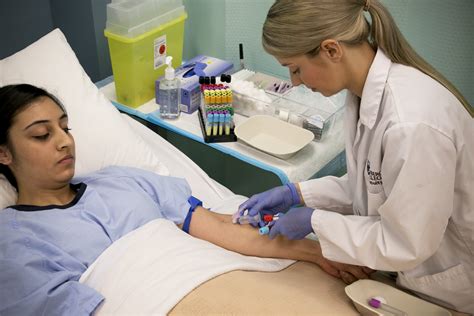
A phlebotomist is a healthcare professional trained to draw blood samples from patients for diagnostic testing, blood donations, or research. Thes professionals play a crucial role in patient care,working closely with physicians,nurses,and laboratory personnel.Due to increasing healthcare demands, certified phlebotomists are highly sought after across hospitals, clinics, laboratories, and blood banks.
Why Get Certified in Phlebotomy?
While some states permit non-certified phlebotomists to perform blood draws, obtaining certification offers multiple benefits:
- Enhanced employability: Certification makes you a more competitive candidate.
- Higher earning potential: Certified professionals often earn more.
- Increased job stability: Certified phlebotomists tend to have better job security.
- Professional recognition: Certification validates your skills and knowledge in the field.
- Legal compliance: Certain states require certification to perform phlebotomy legally.
Step-by-Step Guide to Becoming a Certified Phlebotomist
1. Meet the prerequisites
Before starting your certification journey, ensure you meet the basic qualifications:
- Age: Typically at least 18 years old.
- Education: High school diploma or GED.
- Background check: Some programs require a clean criminal record.
- CPR certification: Many programs require or recommend cardiopulmonary resuscitation (CPR) certification.
2. Enroll in a Phlebotomy Training Programme
Choosing the right training program is crucial. Look for accredited programs that include both classroom learning and hands-on clinical practice. Topics typically covered include:
- Basic anatomy and physiology
- Proper blood collection techniques
- Patient interaction and customer service
- Safety protocols and infection control
- Handling specimens and lab procedures
3. Complete Practical Training & Clinical Hours
Most training programs require hands-on experience. This allows you to develop skills in venipuncture and capillary blood collection under supervision, building confidence and competence.
4. Pass the Certified Phlebotomy Exam
After completing your training, the next step is passing a certification exam. Two prominent certifying bodies are:
| Certification Body | Exam Name | Validity |
|---|---|---|
| American Society for clinical Pathology (ASCP) | certified Phlebotomy Technician (CPT) examination | 3 years, renewable |
| American Medical Technologists (AMT) | Registered Phlebotomy Technician (RPT) exam | 3 years, renewable |
To prepare for the exam, review the provided study materials and practice tests. Passing the exam confirms your competency and allows you to obtain certification.
5. Obtain State Licensure or Certification (if applicable)
Check your state regulations. Some states-like California and louisiana-require licensure or certification to perform phlebotomy. Ensure you meet all legal requirements to practice legally.
Additional Tips for Success
- Gain practical experience: Volunteer or seek entry-level positions to build your skills.
- Maintain certification and skills: Participate in continuing education to stay current.
- Develop excellent dialog skills: Patient interaction is key to a successful phlebotomy career.
- Prioritize safety: Follow infection control and safety protocols diligently.
Benefits of a career in Phlebotomy
Choosing a career as a certified phlebotomist offers several advantages:
- High demand: The healthcare industry continues to grow, increasing job opportunities.
- flexible schedules: Many positions offer part-time, full-time, or shift work.
- relatively speedy training: Certification programs can frequently enough be completed within a few months.
- Pathway to healthcare careers: Experience as a phlebotomist can lead to advanced roles in healthcare.
real-Life Case Study: From Novice to Certified Phlebotomist
James, a 22-year-old college graduate, decided to switch careers and become a phlebotomist. After researching certification options, he enrolled in an accredited program that included clinical practicum. Following successful exam planning, James passed the certification exam and quickly landed a position at a local hospital. His new career not only provided financial stability but also allowed him to contribute to patient care firsthand. James’s journey highlights how accessible and rewarding becoming a certified phlebotomist can be.
Conclusion
Getting certified in phlebotomy is a practical and rewarding first step into the healthcare industry. By meeting prerequisites, completing accredited training, gaining hands-on experience, and passing the certification exam, you can embark on a fulfilling career that makes a real difference in people’s lives. Remember, ongoing education and professionalism are key to long-term success. Whether you’re starting fresh or looking to advance your healthcare career, becoming a certified phlebotomist is a smart move that opens many doors in the healthcare sector.
Ready to begin your journey? Start researching certified phlebotomy programs in your area today and take the first step toward a meaningful career helping others through healthcare!