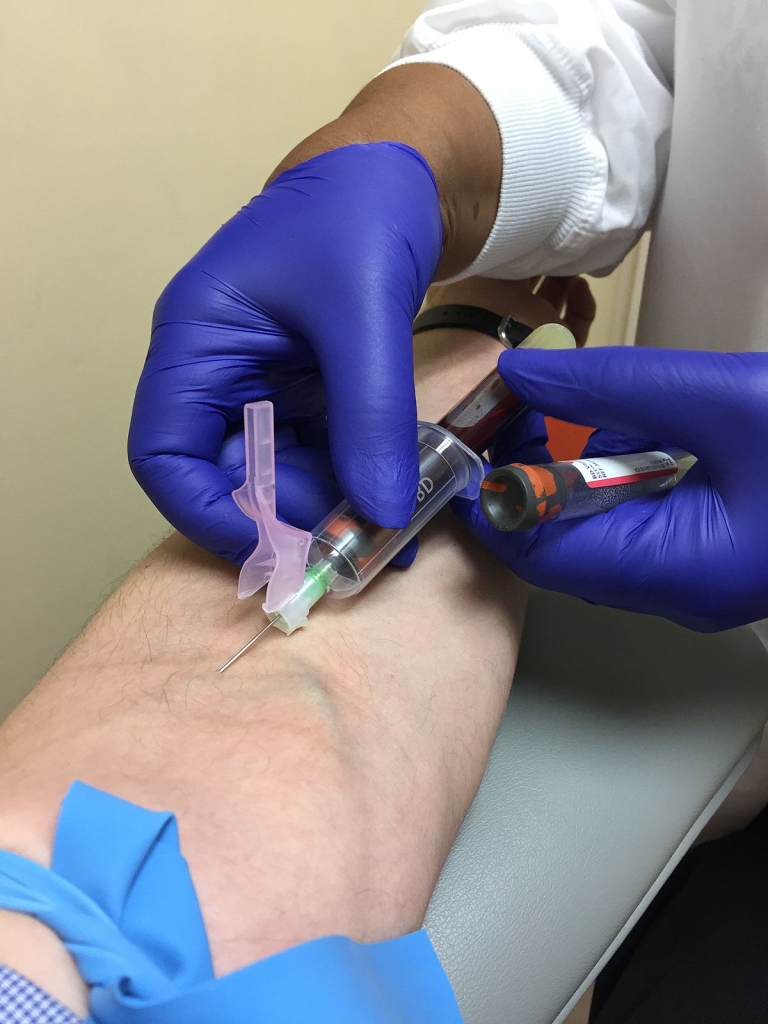
How to Easily Apply for Your Phlebotomy State License: Step-by-Step Guide
Embarking on a career as a licensed phlebotomist is an exciting step toward working in the healthcare industry. One of the most essential milestones is obtaining your phlebotomy state license, which legitimizes your skills and enables you to work legally within your state. While the application process might seem daunting, this complete, step-by-step guide will walk you through the entire process, making it straightforward and stress-free. Read on to discover practical tips, key requirements, and insights to help you secure your phlebotomy license efficiently.
Understanding the Importance of a Phlebotomy State License
Licensing requirements for phlebotomists vary by state, but generally, a state license is mandatory to practise legally. Having a license not only ensures compliance with state laws but also enhances your credibility, increases job opportunities, and signifies a commitment to professional standards.
Key Benefits of Obtaining a Phlebotomy State License
- Legal Authorization: Practice confidently within your state’s legal framework.
- Enhanced Credibility: demonstrate your professionalism and skills to employers and patients.
- Career Advancement: Open doors to higher-paying positions and specialized roles.
- Better Job security: Being licensed often fulfills employer requirements and insurance policies.
Prerequisites for Applying for Your Phlebotomy License
Before diving into the application process, ensure you meet the following prerequisites, which are commonly required by most states:
- Completion of an accredited phlebotomy training program
- Documentation of hands-on clinical experience (typically a minimum of 40 hours)
- Passed competency examination (if required by your state)
- proof of CPR certification (sometimes mandatory)
- Background check and health clearance (variations by state)
Step-by-Step Guide to Applying for Your Phlebotomy State License
Step 1: Verify State-Specific licensing Requirements
The first step is to consult your state’s health department or licensing board website to understand specific requirements, forms, and deadlines. Each state has unique procedures, so accurate information is crucial.
- Visit your state’s official health department website
- Check for the Phlebotomy License Application section
- Note required documentation and fees
Step 2: Complete Accredited Phlebotomy Training
enroll in an accredited phlebotomy training program approved by your state. These programs typically cover anatomy, blood collection techniques, safety procedures, and infection control.
- Choose a program meeting state requirements
- Obtain your certificate of completion upon finishing the program
Step 3: Gain Clinical Experience
Most states require practical, hands-on experience to qualify for licensure. Ensure you complete the required clinical hours in a healthcare setting under supervision.
| Experience Requirements | Description |
|---|---|
| Minimum Hours | Typically 40 hours of supervised blood collection |
| Documentation | Obtain signed logs or letters from your supervisor |
Step 4: Obtain Certification (if applicable)
While not always mandatory, earning certification from recognized agencies like the American Society for Clinical Pathology (ASCP) or National Healthcareer Association (NHA) can strengthen your application and demonstrate your competence.
Step 5: Prepare All Necessary Documentation
Gather all required documents, including:
- Proof of completed training and clinical hours
- Certification certificates
- CPR certification
- Identification (driver’s license, ID card)
- Background check clearance
Step 6: Submit Your Application and Pay Fees
Complete your application form online or via paper forms as directed by your state. Pay the applicable licensing fee, which varies depending on your location.
| Application Step | Details |
|---|---|
| Application Form | Fill out accurately with all required information |
| Fee Payment | Use accepted methods (credit card,check,online payment) |
Step 7: Schedule and Pass the Licensing Examination (if required)
Some states require passing a written or practical exam.Register for the exam through approved testing centers and prepare thoroughly using official study guides.
Step 8: Await Approval and Receive Your License
After submitting your application and passing any required exams, your licensing board will review your documents.Once approved, you will receive your phlebotomy license by mail or electronically.
Additional Practical Tips for a Smooth Licensing Process
- Start early: Allow plenty of time for processing and potential delays.
- Double-check requirements: Missing documents can delay approval.
- Keep copies: Maintain digital and physical copies of all submitted forms and certificates.
- Stay informed: Check your state’s licensing updates regularly.
- Prepare for exams: Use practice tests and review material thoroughly.
Case Study: Success Story of a Licensed Phlebotomist
Meet Sarah, who started her journey with a passion for healthcare. After completing a reputable training program, acquiring her clinical hours, and passing her state exam, she smoothly secured her license. Today, Sarah works at a busy hospital, enjoying a stable career and opportunities for growth. Her experience underscores the importance of understanding the application process and preparation.
Conclusion
Applying for your phlebotomy state license doesn’t have to be stressful. By following this step-by-step guide—verifying requirements,completing accredited training,gaining clinical experience,and preparing your documentation—you can navigate the process with confidence. Remember, obtaining your license opens doors to a rewarding career in healthcare, with opportunities to grow and make a difference in patients’ lives. Start today and take your first step toward becoming a licensed phlebotomist!