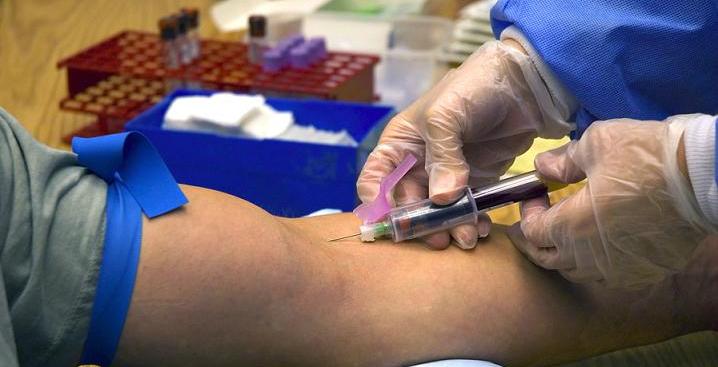
How to Earn your Phlebotomist Technician certification: A Complete Guide for Aspiring Medical Professionals
Embarking on a career as a phlebotomist technician is an excellent choice for those passionate about healthcare and patient care.As a vital member of the medical team, phlebotomists are responsible for drawing blood, assisting in diagnostic tests, and ensuring patient comfort. But how does one become a certified phlebotomist? This comprehensive guide walks you through every step needed to obtain your phlebotomist technician certification, offering practical advice, benefits, and insider tips to help you succeed.
Understanding the Role of a Phlebotomist Technician
Before diving into certification processes, it’s notable to understand what a phlebotomist technician does. These professionals are trained to:
- Collect blood samples from patients
- Prepare samples for laboratory testing
- Follow proper safety protocols to prevent contamination and infection
- Interact compassionately and professionally with patients
Becoming a certified phlebotomist provides the skills, credibility, and job opportunities necessary to excel in this rewarding healthcare role.
step 1: Meet the Basic Educational Requirements
To start your journey toward becoming a certified phlebotomist technician, you need to meet certain educational prerequisites:
- High school diploma or GED equivalent
- Basic knowledge of biology and anatomy (recommended but not always mandatory)
Many vocational schools, community colleges, and online programs offer specialized courses in phlebotomy to prepare students for certification and real-world practice.
Step 2: Enroll in a Certified Phlebotomy Training Program
Choosing the right training program is crucial. Look for programs that are accredited by reputable organizations, such as the National Accrediting Agency for Clinical Laboratory Sciences (NAACLS) or state health departments. Key features include:
- Comprehensive coursework covering anatomy, blood collection techniques, safety protocols, and specimen handling
- Hands-on practical experience through supervised clinical externships
- Preparation for certification exams
The duration of training varies from a few weeks to several months, depending on the program’s depth and format.
Step 3: Gain Practical Experience
Practical experience is essential in becoming a proficient phlebotomist. During your training program, you’ll typically complete a clinical externship, which allows you to:
- Perform blood draws under supervision
- Learn patient interaction skills
- Manage real-world laboratory settings
This hands-on practice is essential for building confidence and competence before sitting for the certification exam.
Step 4: Prepare and pass the Certification Exam
After completing your training, the next step is obtaining your phlebotomy technician certification. The most recognized certification providers include:
- American Society for Clinical Pathology (ASCP) Board of certification
- National Healthcareer Association (NHA)
- American Medical Technologists (AMT)
- National Phlebotomy Association (NPA)
certification Exam Outline
| Section | Details |
|---|---|
| Blood Collection Techniques | Venipuncture, capillary puncture, safety protocols |
| Patient Interaction | Communication, patient identification, handling anxious patients |
| Sample Processing & Safety | Labeling, handling specimens, infection control |
Preparation tips:
- Review your coursework and clinical experiences
- practice blood draw techniques (with supervision)
- Use practice exams and study guides offered by certifying agencies
Successfully passing the exam earns you official certification, a significant milestone in your phlebotomy career.
Benefits of Becoming a Certified Phlebotomist Technician
- Enhanced job prospects: Certification increases employability in hospitals, clinics, laboratories, and blood banks.
- Higher earning potential: Certified professionals often command higher salaries.
- Professional credibility: Certification affirms your expertise and commitment to best practices.
- Career advancement opportunities: Open doors to senior roles, supervisory positions, or specialized fields.
Practical Tips for Aspiring Phlebotomists
- Develop soft skills: Compassion, patience, and effective communication are key to patient comfort and success.
- Stay informed: Keep up with latest procedures, safety protocols, and industry updates.
- Build hands-on experience: Volunteer or find externship opportunities to hone your skills.
- Network professionally: Join associations like the NHA or NPA for resources and job leads.
Case Study: A Accomplished Journey to Certification
Meet Sarah,who started her career as a medical assistant. Recognizing her passion for laboratory work, she enrolled in a certified phlebotomy training program, completed her clinical externship at a local hospital, and aced her certification exam through the ASCP. Today, Sarah works in a busy hospital laboratory, enjoying a rewarding career in healthcare with increased responsibilities and salary. her story exemplifies how dedication to training and certification can lead to professional growth.
First-Hand Experience: What to Expect
Many aspiring phlebotomists worry about the practical side of blood draws.Real-world experience involves handling various patient demographics, managing difficult veins, and maintaining safety standards. Practicing proper technique and patient interaction will boost your confidence and ensure high-quality service. Remember, patience and professionalism are essential to succeed.
Conclusion
Becoming a certified phlebotomist technician is a valuable step toward a fulfilling career in healthcare. By following a structured path-meeting educational requirements, completing accredited training, gaining practical experience, and passing a recognized certification exam-you set yourself up for success. The benefits of certification extend beyond job opportunities, contributing to professional credibility and earning potential. Whether you’re just starting in healthcare or seeking career advancement, obtaining your phlebotomy certification is a strategic move that can open many doors. Start today,stay dedicated,and take the first step toward a rewarding future as a trusted healthcare professional.