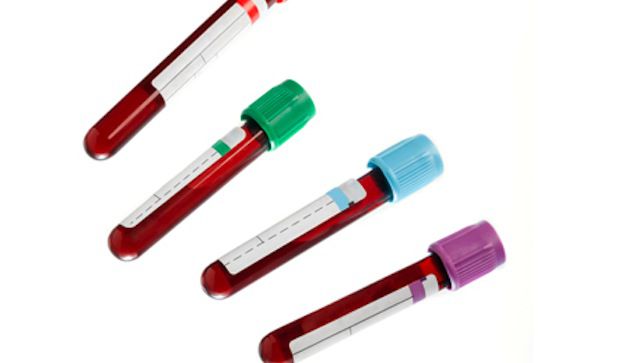
How to Draw Blood from a vein: Step-by-Step Guide for Safe and Accurate Venipuncture
Venipuncture, commonly known as drawing blood, is a fundamental procedure performed by healthcare professionals to obtain blood samples for testing, diagnosis, and treatment. While it might seem straightforward, performing venipuncture safely and accurately requires proper technique, attention to detail, and adherence to safety protocols. Whether you’re a medical student, a new nurse, or a phlebotomist, mastering the art of drawing blood from a vein is essential. In this extensive guide, we’ll walk you through the step-by-step process for safe and effective venipuncture, along with practical tips, benefits, and real-world insights.
Understanding Venipuncture: What You Need to Know
Venipuncture is the process of accessing a vein to collect a blood sample for laboratory analysis. It is a routine but critical procedure that requires precision and respect for patient comfort and safety. Proper technique minimizes complications such as hematoma, infection, or patient discomfort, ensuring reliable test results.
Benefits of Proper Blood Draw Technique
- Accurate Test Results: Proper blood collection ensures sample integrity and reliable laboratory analysis.
- Patient Comfort: Gentle technique reduces pain and anxiety for patients.
- Infection Prevention: Following sterile procedures minimizes infection risks.
- Professional Confidence: mastery of venipuncture boosts confidence in clinical skills.
Prerequisites for Safe Venipuncture
- Proper training and certification in phlebotomy or clinical procedures.
- Availability of necessary supplies: gloves,tourniquet,sterile needle,collection tubes,alcohol swabs,gauze,and tape.
- knowledge of anatomy, especially common veins such as median cubital vein, cephalic vein, and basilic vein.
- Understanding of patient-specific considerations: allergies, medical conditions, vein accessibility.
Step-by-Step Guide to Drawing Blood from a Vein
Follow these detailed steps to perform venipuncture safely and effectively:
Preparation
- Gather Supplies: Ensure all necessary equipment is ready and within reach.
- Identify the Patient: Confirm the patient’s identity using two identifiers.
- Explain the Procedure: Inform the patient about the process to reduce anxiety.
- Hand Hygiene: wash your hands thoroughly and put on sterile gloves.
Selecting the Venipuncture Site
- Ask the patient to make a fist to distend the veins.
- Palpate the antecubital fossa or forearm for a visible and palpable vein.
- Select the most suitable vein, typically the median cubital vein, due to ease of access and size.
- Avoid veins that are previous injured, scarred, or have signs of infection.
Applying the Tourniquet
- Wrap the tourniquet around the upper arm,about 3-4 inches above the selected vein.
- Ensure the tourniquet is snug but not too tight-usually 7-10 cm Hg pressure.
- Ask the patient to relax their arm and avoid pumping their fist excessively.
Disinfecting the Site
- Use an alcohol swab to clean the puncture site in a circular motion from the center outward.
- Allow the skin to air dry completely to prevent alcohol from contaminating the sample.
Performing the Venipuncture
- Hold the needle with a steady grip, bevel up at a 15-30 degree angle relative to the skin.
- Align the needle with the vein, then with a smooth, controlled motion, insert the needle into the vein.
- Once blood begins to flow into the collection tube, release the tourniquet promptly.
- Fill the collection tubes as required, following order of draw if multiple tubes are used.
Releasing the Tourniquet and Removing the Needle
- Withdraw the needle swiftly but smoothly, engaging the safety mechanism if available.
- Immediately apply gentle pressure on the puncture site with gauze to stop bleeding.
- Secure the gauze with tape or light pressure.
Post-Procedure Care
- Ask the patient to keep the gauze in place and avoid strenuous use of the arm for a few minutes.
- Label the blood sample accurately with patient details and collection info.
- Dispose of used supplies in accordance with biohazard protocols.
- Remove gloves and perform hand hygiene.
- Thank the patient and provide aftercare instructions if necessary.
Practical Tips for Prosperous Venipuncture
- Stay Calm: Your confidence and calm demeanor help reduce patient anxiety.
- Use the Appropriate Needle Size: Adults typically require a 21-23 gauge needle for standard blood draws.
- maintain a Steady Hand: Avoid unnecessary movement once the needle is in place.
- Check for Hematoma: Examine the site during and after the procedure to avoid or detect hematoma formation.
- Engage the Patient: Communicate throughout to ease discomfort and ensure cooperation.
Common Challenges and Troubleshooting
| Issue | Possible Causes | Solutions |
|---|---|---|
| Unable to Locate vein | Dehydration, small or deep veins, obesity | Reassess site, warm the area, use a tourniquet longer, or switch sites |
| Hematoma Formation | Multiple needle attempts, poor technique | Use proper angle, apply gentle pressure, avoid multiple punctures |
| Patient Discomfort | Fear, inexperienced technique | Explain, comfort, adjust angle, and technique |
| Sample Hemolysis | Rough handling, excessive force | Handle tubes gently, avoid vigorous shaking |
Case Study: Successful Venipuncture in Tough Patients
A 55-year-old patient with fragile veins presented challenges for blood draw. By warming the area with a warm compress and using a smaller gauge needle, the phlebotomist successfully obtained the required sample on the first attempt, minimizing patient discomfort. This highlights the importance of adapting techniques to individual patient needs for safe and effective venipuncture.
Your First-Hand Experience
As a budding healthcare professional, my first experience with venipuncture taught me the significance of preparation, patience, and dialog.Initially nervous, I learned to steady my hand, explain each step to the patient, and stay patient through challenging veins. Over time, I gained confidence, realizing that mastery of blood draw techniques is key to providing quality patient care.
Conclusion
Mastering how to draw blood from a vein is an essential skill in healthcare, ensuring accurate tests and patient safety. Following a systematic, gentle, and sterile approach enhances success rates and minimizes complications. Remember, practice and patience are vital-every successful venipuncture builds your confidence and competence.With the comprehensive steps and practical tips outlined in this guide, you’re well on your way to becoming proficient in safe and accurate venipuncture techniques. Whether for routine blood tests or complex cases, understanding and applying these principles will serve you well in clinical practice.