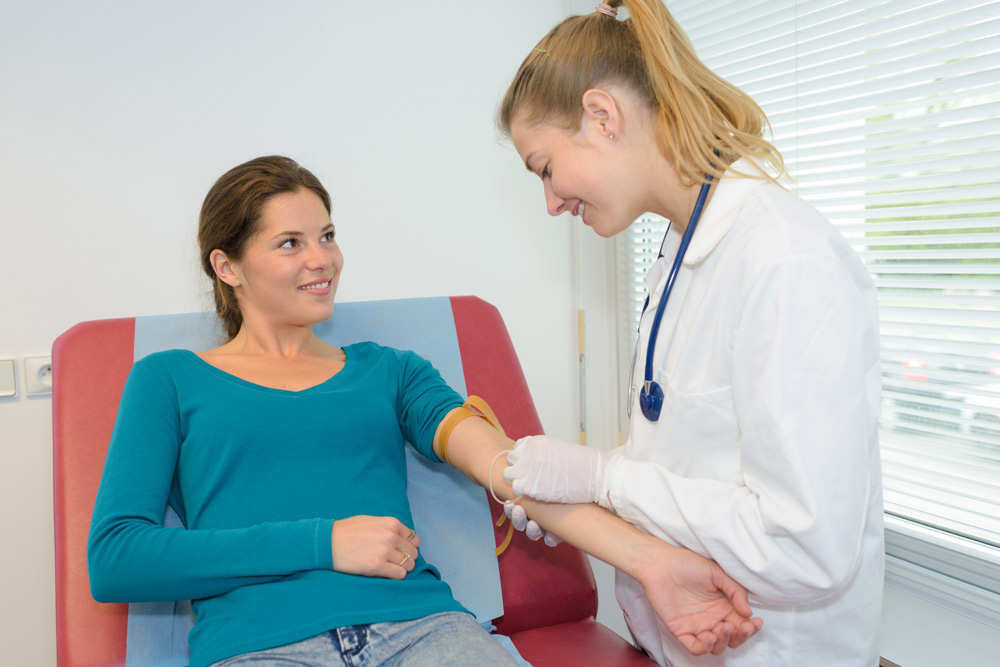
how to Draw Blood from a Vein: Expert Step-by-step guide for Safe & Accurate Venipuncture
Drawing blood from a vein, also known as venipuncture, is a fundamental procedure performed by healthcare professionals worldwide. Whether you’re a new nurse, phlebotomist, or a healthcare student, mastering safe and accurate blood collection is essential for diagnostic testing, blood donation, and medical research. This comprehensive guide offers a step-by-step approach, practical tips, and vital safety considerations to ensure you perform venipuncture efficiently and confidently. Let’s explore the expert methodology for successful blood draws while prioritizing patient comfort and safety.
The Importance of Proper Venipuncture Technique
Performing venipuncture correctly impacts the quality of blood samples, the comfort of the patient, and minimizes complications such as hematomas or infections. Skilled blood collection helps ensure accurate laboratory results, reduces patient anxiety, and maintains safety protocols. Whether you’re a beginner or seeking to refine your skills, understanding the best practices for drawing blood from a vein is crucial for healthcare excellence.
Preparation: Equipment and Patient Positioning
Essential Equipment for Venipuncture
- Sterile gloves
- Tourniquet
- Needles (usually 21-23 gauge)
- Vacutainer or syringe
- Alcohol swabs or antiseptic wipes
- Gauze pads
- Adhesive tape or bandage
- Sharps container for needle disposal
Optimal Patient Positioning
Position the patient comfortably, with the arm extended and slightly below heart level to promote blood flow. ensure the patient remains relaxed and still to facilitate accurate needle insertion and minimize vein movement.
Locating the vein: Key Tips for a Successful Find
Choosing the right vein is the first step toward successful venipuncture. The median cubital vein is the moast common choice due to its size and accessibility, but other veins such as cephalic or basilic veins can also be used.
How to Locate a Suitable Vein
- Visual Inspection: Look for visible, prominent veins that are straight and soft.
- Palpation: Use your index finger to gently feel for a soft, resilient, and bouncy vein.
- Venous distension: Apply light tourniquet pressure to engorge the vein.
Applying the Tourniquet: Preparing the Vein
Proper tourniquet application helps make the vein more prominent and easier to puncture. Apply the tourniquet about 3-4 inches above the selected vein, ensuring it is snug but not overly tight to prevent discomfort.
Cleaning the Site: Ensuring Safety & Sterility
Use alcohol swabs or chlorhexidine to disinfect the puncture site. Allow the antiseptic to dry entirely to reduce infection risk and improve infection control during venipuncture.
Step-by-Step Guide to Drawing Blood from a Vein
1. Don Gloves and Assemble Equipment
Always prioritize hand hygiene and wear sterile gloves to maintain a sterile field.
2. anchor the Vein
With your non-dominant hand, gently hold the patient’s skin below the puncture site to stabilize the vein.
3. Insert the Needle at the Correct Angle
insert the needle at a 15-30 degree angle with the bevel facing up. Do this smoothly and steadily to prevent vein trauma.
4. Attach the Collection Device
Onc the needle is in the vein, attach the vacutainer tube or syringe to draw blood. Fill tubes in the recommended order if multiple samples are needed.
5. Release the Tourniquet
As soon as blood flow is established and enough sample is collected, release the tourniquet to prevent hemoconcentration.
6. Withdraw the Needle and Apply Pressure
Withdraw the needle carefully and immediately apply gauze with gentle pressure to prevent hematoma formation.
7. Label and Transport the Sample
Label the blood sample accurately with patient info,date,and time. Ensure proper handling and transport for testing.
Post-Procedure Care and Patient Comfort
Secure the Gauze and instruct the patient to keep pressure for a few minutes. Apply an adhesive bandage and offer reassurance.Observe the patient for any immediate adverse reactions,like dizziness or swelling.
Safety Tips and Handling Common Challenges
- Always dispose of sharps in designated containers.
- Use proper techniques to minimize patient discomfort.
- If veins are difficult to access, try warming the site or repositioning the arm.
- Be vigilant for signs of hematoma or bleeding post-draw.
Practical Tips for safe and Accurate Venipuncture
- Maintain a calm and reassuring demeanor to ease patient anxiety.
- Check expiration dates on collection tubes to ensure sample integrity.
- Use the smallest gauge needle suitable for the sample.
- Verify patient identification and the order of tests before proceeding.
- Double-check all labels and specimen containers.
Benefits of Mastering Venipuncture Techniques
| Benefit | Description |
|---|---|
| Accurate Results | Proper technique ensures reliable lab outcomes. | Patient Comfort | smooth procedures reduce pain and anxiety. |
| Reduced Complications | Minimize bruising, hematoma, and infections. |
| Enhanced Confidence | Skillful blood draws improve professional credibility. |
Case Study: Successful Venipuncture in Difficult Veins
In a recent clinical scenario, a patient with ‘difficult veins’ presented for blood testing.By warming the site and applying gentle pressure to engorge the vein, along with choosing a suitable vein (basilic), the technician was able to perform a successful venipuncture. This highlights the importance of patience and proper technique when dealing with challenging cases.
My First-Hand experience with venipuncture
As a healthcare professional, I recall my first attempt at venipuncture.Nerves and uncertainty were natural, but focusing on patient comfort and following protocol made all the difference. Over time, practice improved my confidence, leading to smoother, more efficient blood draws. Remember, mastery comes with patience and continuous learning.
Conclusion
Performing safe and accurate blood draws from a vein is an essential skill for healthcare professionals. By following this step-by-step guide, adhering to safety protocols, and practicing regularly, you can ensure successful venipuncture procedures that prioritize patient safety and sample integrity. Remember, patience, practice, and professionalism are the keys to becoming proficient in venipuncture. As you refine your skills, you’ll contribute substantially to diagnostic accuracy and patient care quality. Happy blood drawing!
If you’re seeking further training, consider enrolling in certified phlebotomy courses or hands-on workshops to enhance your venipuncture skills in a supportive environment.