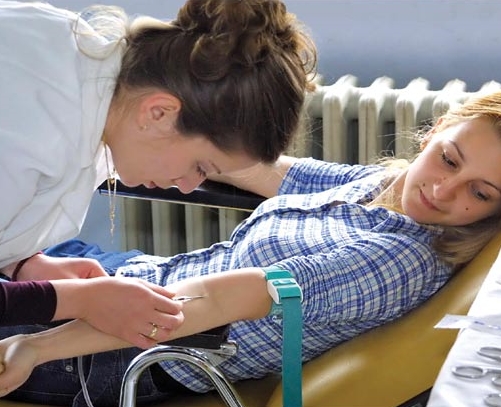
How to Become Phlebotomy Certified: Your Essential Guide to Starting a Successful Medical Career
Embarking on a career in phlebotomy can be a rewarding choice for those interested in healthcare, patient care, and medical laboratory work. Becoming a certified phlebotomist not only opens doors to job opportunities but also enhances your credibility and earning potential.This comprehensive guide will walk you through the steps to become phlebotomy certified, including the best training options, certification pathways, practical tips, and the numerous benefits of this healthcare profession.
Introduction
Phlebotomy is a vital component of the healthcare industry, involving blood collection for tests, transfusions, donations, and research. As a phlebotomist,you’ll play an essential role in patient diagnostics and care.If you’re considering a career in this field, obtaining certification is a crucial step that demonstrates your competence, boosts your employability, and ensures compliance with industry standards.
Why Choose a Career in Phlebotomy?
- Growing Job Market: The demand for skilled phlebotomists is increasing due to expanding healthcare needs.
- Competitive Salary: Certified phlebotomists typically earn a competitive wage with opportunities for advancement.
- Flexibility: Many positions offer flexible hours, part-time opportunities, and work in various healthcare settings.
- Minimal Educational Barriers: Training programs are usually short and affordable compared to other healthcare careers.
- Rewarding Work: Making a difference in patients’ lives through compassionate care and accurate testing.
Steps to Become Phlebotomy Certified
1. Meet basic Qualifications
Before starting your journey toward certification, ensure you meet the basic requirements:
- High school diploma or GED
- Minimum age typically 18 years or older
- Clean criminal background (requirements vary by state)
- Good communication and interpersonal skills
2. Enroll in a Accredited Phlebotomy Training Program
Choosing the right training program is vital. Look for programs accredited by reputable organizations such as the National Accrediting Agency for Clinical Laboratory Sciences (NAACLS) or offered by community colleges, vocational schools, or hospitals.
Training typically includes both classroom instruction and practical clinical experience, covering topics like anatomy, blood collection techniques, safety protocols, and patient communication.
3. Complete Your phlebotomy Training
Moast programs last between 4 and 12 weeks, depending on intensity and format. During this phase, you’ll gain hands-on skills in collecting blood samples, using collection equipment, and managing patient interactions.
4. Accumulate Required Clinical Hours
Practical experience is essential. Most programs include supervised clinical rotations in real healthcare settings,where you perform blood draws under supervision to build confidence and competence.
5. Pass the Certification exam
After completing training, you can apply to take the certification exam. The most recognized certifications include:
- Certified Phlebotomy Technician (CPT) by the American Society for Clinical Pathology (ASCP)
- Phlebotomy Technician (PBT) by the National healthcareer Association (NHA)
- Certified Phlebotomy Technician (CPT) by the National Phlebotomy Association (NPA)
The exam typically covers anatomy, blood collection procedures, safety, infection control, and patient interaction. Prepare thoroughly using practice tests and review materials.
Certification benefits and Practical Tips
- boost Employability: Certification increases your credibility and attractiveness to employers.
- Advance Your Career: some certifications open pathways to supervisory or specialized roles.
- Stay Updated: Continuing education helps you stay current with industry standards.
Practical Tips for Success
- Choose an Accredited Program: Ensures quality education and eligibility for certification exams.
- Practice Regularly: Hone your blood collection skills during training and clinical rotations.
- Develop Good Communication Skills: Building rapport with patients makes procedures smoother and more comfortable.
- Prepare for the Exam: Use practice tests and review key concepts thoroughly.
- Network: Connect with professionals and join local or online phlebotomy associations.
Case study: From Student to Certified Phlebotomist
| Stage | Highlights | Outcome |
|---|---|---|
| Training | Completed a 6-week NAACLS-accredited program with clinical rotations | Gained hands-on skills and confidence |
| Certification | Passed NHA’s PBT exam with high scores | Received official certification and added to job applications |
| employment | Hired at a local hospital as a full-time phlebotomist | Started a rewarding healthcare career with growth opportunities |
Additional Resources and Certification Opportunities
- American society for Clinical Pathology (ASCP)
- National Healthcareer Association (NHA)
- National Phlebotomy Association (NPA)
Conclusion
Becoming phlebotomy certified is a strategic step toward a fulfilling and in-demand healthcare career. With the right training, clinical experience, and certification, you can enter a profession that offers stability, growth, and the chance to make a genuine difference in patients’ lives. Remember to stay committed,seek continuous education,and network within the healthcare community to advance your career further. Start your journey today-your successful medical career in phlebotomy awaits!