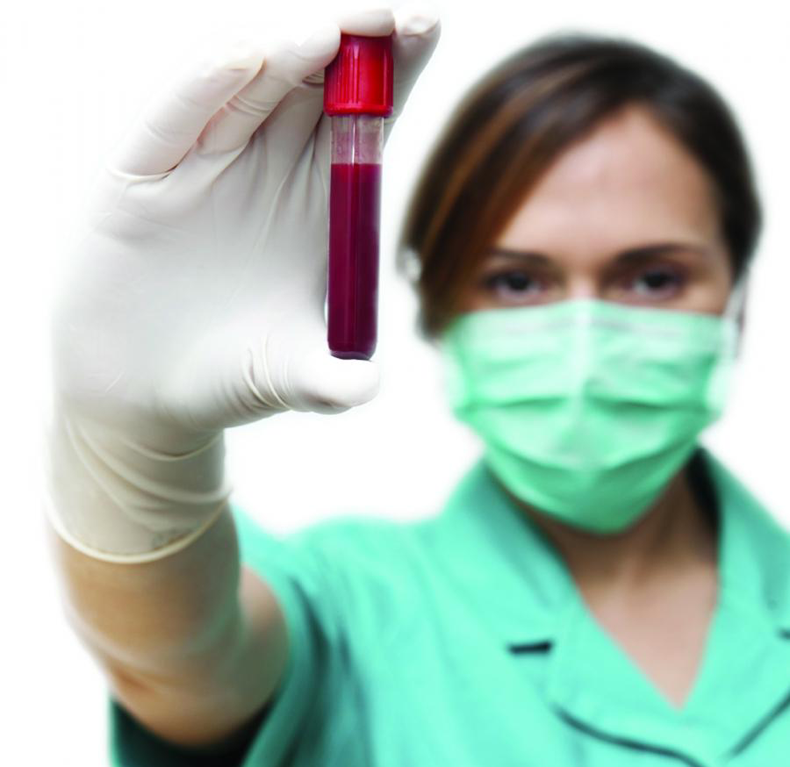
How to Become Certified in Phlebotomy: Step-by-Step Guide for Aspiring Medical Professionals
Introduction
If you’re passionate about healthcare and looking for a fulfilling career in the medical field, becoming a certified phlebotomist is an excellent choice. Phlebotomy,the practice of drawing blood for tests,donations,and research,plays a vital role in diagnosing and treating illnesses. Earning a phlebotomy certification not only enhances your credibility but also opens doors to employment opportunities in hospitals,clinics,laboratories,and blood banks. This extensive, step-by-step guide will walk you through everything you need to no about becoming a certified phlebotomist, including the necessary training, certification process, practical tips, and more.
What Is phlebotomy?
Phlebotomy involves the collection of blood samples from patients for diagnostic testing, blood donations, or research purposes. As a phlebotomist, you’ll work closely with healthcare professionals, ensuring that blood collection is performed safely, efficiently, and comfortably for patients. The profession requires a combination of technical skills, attention to detail, interpersonal skills, and adherence to strict safety protocols.
Benefits of Becoming a Certified Phlebotomist
- Increased employability: Certification makes you more competitive in the job market.
- Higher earning potential: Certified phlebotomists typically earn higher salaries.
- Professional credibility: Certification demonstrates your competence and adherence to industry standards.
- Opportunities for advancement: Certification can lead to supervisory roles or specialization areas.
- Job stability: Healthcare roles often provide sturdy employment opportunities.
step-by-Step Guide to Becoming Certified in Phlebotomy
1. Meet Basic Educational requirements
Most phlebotomy training programs require a high school diploma or equivalent. Ensuring you meet this prerequisite is the first step toward certification.
2. Enroll in a Certified Phlebotomy Training Program
Select an accredited training program that provides comprehensive instruction in blood collection techniques, safety procedures, and patient interaction. These programs can be found at community colleges, technical schools, or online platforms.
3. Complete Clinical Experience
Hands-on training is essential. Under supervision, you will practice blood collection methods such as venipuncture and capillary puncture. Aim for a program that offers ample clinical hours to build confidence and skill.
4. Prepare for the Certification Examination
Acquire study guides and practice exams to prepare for your certification test. Focus on understanding anatomy, blood collection procedures, safety protocols, and patient interaction.
5. take the Certification Exam
Register with a recognized certifying agency such as the American Society for Clinical Pathology (ASCP), National Phlebotomy Association (NPA), or American Medical Certification Association (AMCA).The exam typically includes multiple-choice questions covering various aspects of phlebotomy.
6. Maintain Certification
After passing, you’ll need to renew your certification periodically, which involves earning continuing education credits and paying renewal fees. Staying updated with industry developments ensures ongoing competence and employability.
Certification Requirements and Recognized Agencies
Several reputable agencies offer phlebotomy certification. Each has specific requirements,but common prerequisites include:
- Completion of an accredited training program
- Clinical experience hours
- Passing the certifying exam
here is a comparison of popular certifying bodies:
| Agency | Exam Name | Required Hours of Training | Recertification |
|---|---|---|---|
| American Society for Clinical Pathology (ASCP) | Certified Phlebotomy Technician (CPT) | 40 hours | Every 3 years with CE credits |
| National Phlebotomy Association (NPA) | Certified Phlebotomy Technician (CPT) | 40 hours + clinical internship | Renew every 2 years |
| American medical Certification Association (AMCA) | Phlebotomy Technician Certification | Defined by the program | Every 2 years with CE credits |
Practical Tips for Aspiring Phlebotomists
- Choose a reputable training program: Accreditation matters for certification eligibility.
- Gain hands-on experience: Practice as much as possible during your clinical training.
- Develop interpersonal skills: Comfort and reassurance during blood draws improve patient satisfaction.
- Prioritize safety: Always follow safety protocols to prevent needlestick injuries and cross-contamination.
- Stay organized: Keep track of training hours, certification deadlines, and continuing education requirements.
Case Studies: Success Stories of Certified Phlebotomists
jane’s Journey into Phlebotomy
Jane started her pathway by enrolling in a reputable community college program. After completing her clinical rotations and passing the ASCP exam, she secured a role at a busy hospital. Her friendly approach and meticulous technique earned her a promotion to lead phlebotomist within two years.
Mark’s Transition to Specialization
Mark obtained his certification and then specialized in pediatric phlebotomy. His certification opened doors to specialized training, making him a sought-after expert in attracting young patients and reducing their anxiety during blood draws.
First-Hand Experience: What to Expect
Starting out as a phlebotomist involves a steep learning curve but is incredibly rewarding. During your first clinicals, you may feel nervous, but with practice, your skills in venipuncture, patient interaction, and adhering to safety standards will improve considerably. Remember, patience and continuous learning are key to becoming a skilled and certified professional.
Conclusion
Becoming a certified in phlebotomy is a rewarding career choice for aspiring healthcare professionals. By following a structured approach-starting with meeting basic educational requirements, enrolling in accredited training programs, gaining clinical experience, and passing recognized certification exams-you can achieve your goal of becoming a certified phlebotomist. Certification not only boosts your employability and earning potential but also affirms your commitment to providing excellent patient care. Embark on this journey with confidence, stay dedicated, and you’ll be well on your way to a fulfilling career in the vital field of phlebotomy.