How to Become Certified in Phlebotomy: A Step-by-Step Guide to Starting Your Healthcare Career
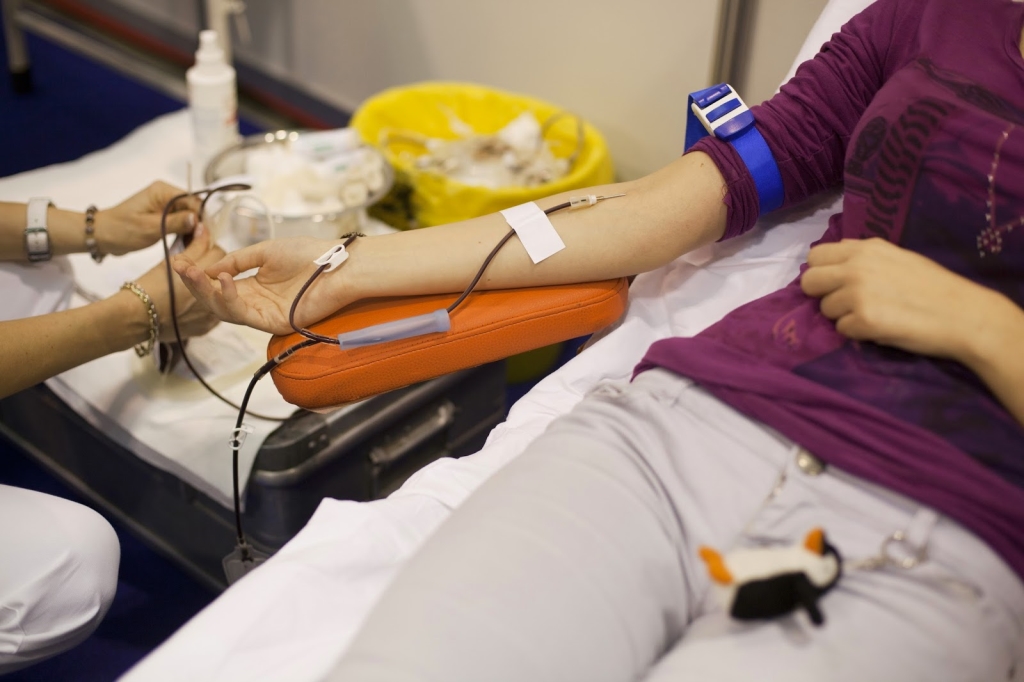
If you’re passionate about healthcare and enjoy working directly with patients,becoming a certified phlebotomist can be a rewarding career choice. Phlebotomy involves drawing blood samples for testing, diagnosis, and blood donation purposes. This role is essential in medical settings like hospitals, laboratories, clinics, and even mobile blood drives. In this complete guide,we’ll walk you thru every step to become a certified phlebotomist,including training requirements,certification process,practical tips,and the benefits of embarking on this healthcare journey.
Introduction
Starting a career in healthcare can be both exciting and fulfilling. Phlebotomy offers a fantastic entry point into the medical field, requiring a manageable training period and offering ample job opportunities. Whether you’re looking for a swift certification or a long-term healthcare career, understanding the certification process is crucial. This guide aims to demystify the journey and equip you with the knowledge needed to begin your path as a certified phlebotomist.
Understanding the Role of a Certified phlebotomist
Before diving into the certification steps, let’s clarify what a phlebotomist dose:
- Collect blood specimens from patients
- Label and handle blood samples properly
- Maintain a sterile surroundings and ensure patient safety
- Follow all health and safety protocols
- Accurately record patient details
Certification enhances credibility, opens job opportunities, and often is a requirement for employment in many healthcare facilities.
Step 1: Meet the Basic Requirements
Before starting your journey toward certification, ensure you meet the essential prerequisites:
- Minimum age of 18 years old
- High school diploma or GED equivalent
- Basic understanding of human anatomy and safety procedures
- criminal background check (as required by some programs)
Step 2: Choose an Accredited Phlebotomy Training Program
The next step is selecting a reputable training program. Look for programs accredited by recognized bodies such as:
- National Accrediting Agency for Clinical Laboratory Sciences (NAACLS)
- American Society for Clinical Pathology (ASCP)
- Community colleges or vocational schools with approved curricula
training programs typically include classroom instruction, hands-on practice, and assessment. They cover vital topics like anatomy, infection control, blood collection techniques, and safety protocols.
Training Components Include:
- Understanding blood collection equipment
- Proper venipuncture and capillary puncture techniques
- Specimen handling and transportation
- Patient interaction and communication skills
- Safety and infection prevention
Step 3: Complete the Required Hours of training
Most certification programs require a minimum of 40 hours of practical training,wich includes supervised blood draws and clinical practice. Some advanced programs may require more hours, especially if they offer specialty certifications.
Step 4: Pass the Certification Exam
After completing your training, you’ll need to pass a certification exam. The most recognized certifying organizations include:
- American society for Clinical Pathology (ASCP) Phlebotomy Certification
- National Healthcareer Association (NHA) Certified Phlebotomy Technician (CPT)
- American Medical Technologists (AMT) Registered Phlebotomy Technician (RPT)
Exam formats typically comprise multiple-choice questions covering blood collection procedures, safety, patient care, and laboratory laws and regulations. Preparing thoroughly for the exam enhances your chances of certification success.
Sample Certification Exam Structure
| Section | Questions | Duration |
|---|---|---|
| Blood Collection Techniques | 50 | 1 hour |
| Patient Interaction & Safety | 25 | 30 minutes |
| Legal & ethical Considerations | 15 | 20 minutes |
Step 5: Obtain Your Certification and Find a Job
Once you pass the exam, you’ll receive your certification. Most certifying bodies issue digital and physical credentials that validate your skills. With certification in hand, you can begin applying for phlebotomy positions in hospitals, laboratories, clinics, or mobile blood donation centers.
Benefits of Becoming a Certified Phlebotomist
- Career Stability: High demand for phlebotomists across healthcare settings
- Competitive Salary: Entry-level positions often pay well, with room for growth
- Short Training Period: Most programs last between 4-12 weeks
- Entry into Healthcare: A stepping stone to othre medical roles
- personal Fulfillment: Direct patient interaction and meaningful work
Practical Tips for Aspiring Phlebotomists
- Choose accredited training programs for recognized certification
- Practice your blood collection skills under supervision
- Develop good communication and patient care skills
- Prepare thoroughly for the certification exam
- Stay updated with latest safety protocols and industry standards
Case Study: A Success Story
Meet Lisa, a certified phlebotomist from California. Lisa decided to pursue a career in healthcare as she wanted a fast-track entry into the medical field. After completing a 6-week accredited training program, she passed her certification exam and secured a position at a local hospital. Her dedication to patient comfort and professionalism has led to rapid advancement, and she now mentors new students entering the field.
Additional Resources
For a smoother certification journey, consider the following resources:
- National Phlebotomy Association
- Online practice exams and study guides
- Local community colleges with phlebotomy programs
- Professional networking groups for healthcare technicians
Conclusion
Becoming a certified phlebotomist is an excellent way to start or advance your career in healthcare. By following these structured steps-meeting the requirements, choosing the right training program, gaining practical experience, passing certification exams, and staying committed-you can achieve your goal of becoming a skilled, credentialed professional. Not only does this certification open doors to meaningful work and stable employment, but it also paves the way for further growth in the medical field. Embark on your healthcare journey today and make a difference in patients’ lives!