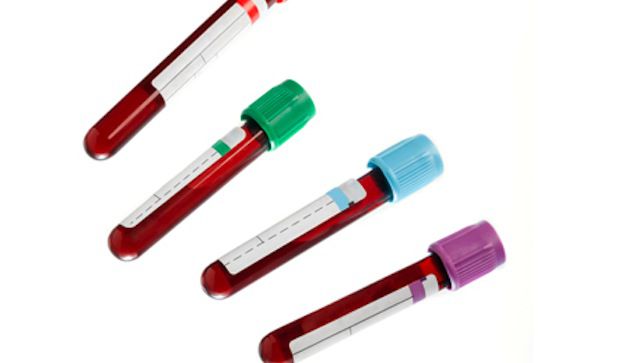
How to Become a Phlebotomy Technician: Your Ultimate Guide to Starting a Healthcare Career
If you’re exploring a fast-track entry into the healthcare field, a career as a phlebotomy technician could be a perfect fit. Phlebotomy technicians play a critical role in patient care by collecting blood samples, preparing them for testing, and ensuring the process is safe, efficient, and compassionate. This ultimate guide will walk you thru what a phlebotomy technician does, how to become one, the different training paths, certification options, and practical tips to start a triumphant healthcare career.
What is a Phlebotomy Technician?
A phlebotomy technician, sometimes called a phlebotomist or blood-drawer, is a laboratory support professional who specializes in drawing blood from patients for tests, transfusions, donations, or research. Typical duties include:
- Collecting blood samples using venipuncture or capillary techniques
- Labeling and handling specimens accurately
- Maintaining sterile, safe, and comfortable patient environments
- Documenting test orders and communicating with healthcare teams
- Following strict safety protocols to prevent infections and exposure to bloodborne pathogens
- Processing or preparing samples for laboratory analysis
The role is patient-facing, detail-oriented, and teamwork-driven. You’ll work in hospitals, clinics, blood donation centers, and other healthcare settings. Strong dialog skills, a calm bedside manner, and a commitment to safety are essential for success.
Why Choose a Career in Phlebotomy?
- Fast-entry path: You can start with a certificate or diploma in as little as 4-12 months, depending on the program.
- In-demand skill: Blood collection is a core service in many healthcare facilities, leading to steady employment opportunities.
- Foundation for healthcare: A phlebotomy career can be a stepping stone to further roles in lab work, nursing, or other allied health paths.
- Competitive entry-level salary: Phlebotomy technicians typically earn a solid wage with benefits and room for advancement.
- Hands-on experience: You gain practical clinical hours, which are valuable for resume-building and future certifications.
How to Become a Phlebotomy Technician: Step-by-Step
Below is a practical, easy-to-follow roadmap to launching your phlebotomy career.Adapt the timeline to your life, budget, and local requirements.
Step 1: Decide on your education path
Three common paths lead to entry-level phlebotomy positions:
- Certificate or diploma in phlebotomy: The quickest route, typically 4-12 months, focusing on core skills and clinical practice.
- Associate degree in allied health or a related field: Broader coursework, often 2 years, with more lab experience.
- certificate through a healthcare training provider: Short programs offered by community colleges or private schools, frequently enough with externships.
Step 2: Meet prerequisites
- High school diploma or GED
- Basic math and science literacy
- CPR/First Aid certification (some programs require this before starting clinicals)
- A background check and immunizations (including hepatitis B, as required by some programs)
Step 3: Enroll in a training program
When selecting a program, consider:
- Accreditation and program outcomes
- Clinical externship opportunities with local clinics or hospitals
- Class format and schedule (in-person vs. online components)
- Tuition, scholarships, and financial aid options
- instructor qualifications and job placement rates
Step 4: Gain hands-on clinical experience
Clinical externships provide real-world practice under supervision. this experience helps you:
- Build confidence in venipuncture techniques
- Learn patient communication and phlebotomy safety protocols
- Familiarize yourself with specimen labeling, handling, and transport
- Develop familiarity with laboratory workflow and electronic health records
Step 5: Prepare for and obtain certification
Certification frequently enhances job prospects.You’ll typically prepare for one of the major certifications offered by recognized bodies. Common options include:
- ASCP Phlebotomy Technician (PBT)
- NHA Phlebotomy Technician (CPT)
- AMT Phlebotomy Technician (PBT)
Note: Certification requirements vary by state and employer. Some facilities hire certified phlebotomy technicians, while others hire those who are eligible to sit for certification.
Step 6: Start your job and continue learning
With certification and hands-on training, you’ll land an entry-level role. Ongoing education can include advanced phlebotomy, point-of-care testing, or broader lab technician roles. continuing education helps you stay current on safety standards, new collection techniques, and regulatory changes.
| Step | What you learn | Typical duration |
|---|---|---|
| 1. Decide your path | Core skills, safety, patient care | 1-2 months |
| 2. prerequisites | Basic math, science; CPR | 1 month |
| 3. Enroll in program | Phlebotomy techniques, lab workflows | 4-12 months |
| 4. Clinical externship | Hands-on venipuncture | 4-12 weeks |
| 5. Certification | Exam prep, testing | 1-3 months |
Training Options and Costs
Understanding your training choices helps you balance time, money, and career goals. Here are common formats and what to expect.
Certificate vs Diploma vs Associate Degree: Pros and Cons
: Fast entry into the field, lower cost, focused on phlebotomy skills and safety. Pros: quicker to job, practical training. Cons: fewer general education credits, limited upward mobility without further schooling. - Associate Degree: broader health sciences education, more options for advancement, potential transfer to a bachelor’s in a related field. Pros: stronger foundation for future roles. Cons: longer duration and higher cost.
Online vs In-Person
- In-person programs frequently enough provide more hands-on venipuncture practice and closer supervision during clinicals.
- Online options can be convenient, but ensure the program includes an in-person externship and hands-on components to meet certification requirements.
Typical Costs and Funding
costs vary by program and location, but you can expect:
- Certificate programs: roughly $500-$2,500
- Diploma programs: roughly $1,500-$4,000
- Associate degrees: roughly $6,000-$20,000 (depending on public vs private, in-state vs out-of-state)
Tips for reducing cost: apply for financial aid, use employer sponsorships, look for community college programs with grants, and explore scholarships for healthcare students.
Certification and Licensure
Certification demonstrates competency and improves employability. While requirements vary by state and employer, here’s a practical overview:
- Certification providers: ASCP, NHA, AMT are among the most recognized. Each offers a phlebotomy technician credential with its own eligibility criteria and exam format.
- Exam planning: Most training programs align their curriculum with certification standards. Practice exams, study guides, and hands-on lab work are common components.
- Recertification: Some certifying bodies require periodic recertification or continuing education to maintain credentials.
- Licensing: A few states require licensure in addition to certification. Always check your state’s board of health or licensing agency for specifics.
Skills You’ll Learn and Tools You’ll Use
In a phlebotomy program, you will master both technical and soft skills. Core competencies include:
- Venipuncture techniques (vein selection, needle governance, proper needle disposal)
- Proper specimen labeling and sample handling to avoid mix-ups
- Patient communication and privacy (HIPAA compliance, informed consent)
- Infection control, PPE use, and safe handling of bloodborne pathogens
- Using vacuum tubes, tourniquets, syringes, and specimen transport materials
- Electronic health record (EHR) documentation and lab information systems basics
- Crisis de-escalation and comfort strategies for anxious patients
Day-to-Day: A Typical Shift
Every day is a little different, but most phlebotomy technicians share a similar rhythm:
- Checking patient orders and verifying patient identity
- Preparing equipment and ensuring a clean, organized workspace
- Gently and accurately drawing blood samples, then labeling tubes
- Transporting specimens to the lab under proper chain-of-custody procedures
- Assisting with point-of-care testing and notifying the laboratory team of urgent specimens
- Maintaining patient comfort and addressing questions or concerns
Salary, Job Outlook, and Career Growth
Phlebotomy is a stable entry point into healthcare with a positive outlook. While salaries vary by geography, experience, and employer, phlebotomy technicians generally enjoy competitive entry-level wages and opportunities for advancement through additional training in laboratory science, nursing, or allied health roles.
- Job outlook: Strong demand as healthcare systems expand and aging populations require more routine blood tests.
- Advancement options: move into lab assistant roles,specimen processing,or pursue further education in nursing,medical assisting,or clinical laboratory science.
- Geographic variation: Urban centers and teaching hospitals frequently enough offer higher wages and more specialized responsibilities.
Benefits and Practical Tips for Success
Starting a career as a phlebotomy technician is rewarding,and a few practical tips can speed up your success.
- Invest in certification: A credential from a recognized body increases employability and earning potential.
- Gain diverse clinical experience: Seek externships in hospitals, clinics, blood donation centers, and laboratories to broaden your resume.
- Develop soft skills: Communication, empathy, and calmness under pressure are as crucial as technical skill.
- Network with healthcare professionals: Attend job fairs, join local phlebotomy or lab tech associations, and connect with mentors.
- Keep safety first: Stay current on safety protocols, PPE, and infection control to protect yourself and patients.
Case Studies: Real-Life Paths to Phlebotomy
Case Study 1: Maria’s Path to a Practical, Fast-Track Career
Maria was seeking a hands-on job with quick entry into healthcare. She enrolled in a 6-month phlebotomy certificate program at a community college, completed a 160-hour clinical externship, and earned a national certification. Within three months of graduation, she secured a role at a regional hospital laboratory, where she gained experience with pediatric and geriatric patients and learned how to manage anxious patients with care and patience.
Case Study 2: James Pivoting from Retail to Healthcare
James loved helping people but wanted a stable, meaningful career. He completed an online phlebotomy certificate with a local externship partner, balancing work with coursework.After earning his certification, he landed a position at a diagnostic center and used the role as a stepping stone to pursue an associate degree in medical laboratory science.
First-Hand Experience: A Day in the Life of a Phlebotomy Technician
Imagine starting your shift by checking the day’s patient schedule, verifying identities, and preparing a clean, organized workstation. You greet each patient with a warm smile, explain the process briefly, and ensure comfort. You select veins with care,apply a gentle touch,and label samples precisely. you collaborate with lab teams,report urgent results,and document every step. The work is fast-paced, but your focus on patient care and accuracy makes a real difference in diagnoses and treatment plans.
Frequently Asked Questions (FAQs)
- Do I need a degree to become a phlebotomy technician? No. Most entry-level roles are accessible with a phlebotomy certificate or diploma; an associate degree can provide broader career options.
- Is certification required? It depends on the employer and state. Certification is highly valued and often preferred or required by many employers.
- How long does it take to become a phlebotomy technician? With a certificate or diploma, you can start in as little as 4-12 months; an associate degree typically takes about 2 years.
- What about job prospects? The demand for phlebotomy technicians remains solid due to routine testing needs in healthcare settings.
- What skills are most important? Precision in specimen handling, strong patient communication, safety and infection control, and reliable documentation.
Conclusion: Your Path to a Rewarding Healthcare Career
Becoming a phlebotomy technician offers a practical, fulfilling route into healthcare. it combines hands-on patient interaction with technical skill, fast program options, and clear pathways for advancement. By choosing a reputable training program, obtaining certification, and embracing ongoing learning, you’ll establish a solid foundation for a long and rewarding career in the medical field. If you’re driven by helping others, enjoy precision work, and want to enter healthcare quickly, phlebotomy could be the perfect fit for you.
Ready to start? Begin by researching accredited phlebotomy certificate or diploma programs in your area, check for externship opportunities, and plan your path toward national certification. Your healthcare career as a phlebotomy technician awaits.