How to Become a Phlebotomy Technician: Your Step-by-Step Guide to a Rewarding medical Career
Are you considering a career in the healthcare industry that combines hands-on patient interaction with vital diagnostic work? Becoming a phlebotomy technician might be the perfect path for you. this essential role involves drawing blood for tests, transfusions, and donations, making it a critical component of medical diagnostics. In this comprehensive guide, we’ll walk you through the steps to become a certified phlebotomy technician, explore the benefits of this profession, and share practical tips to set you on the path to success.
What Is a Phlebotomy Technician?
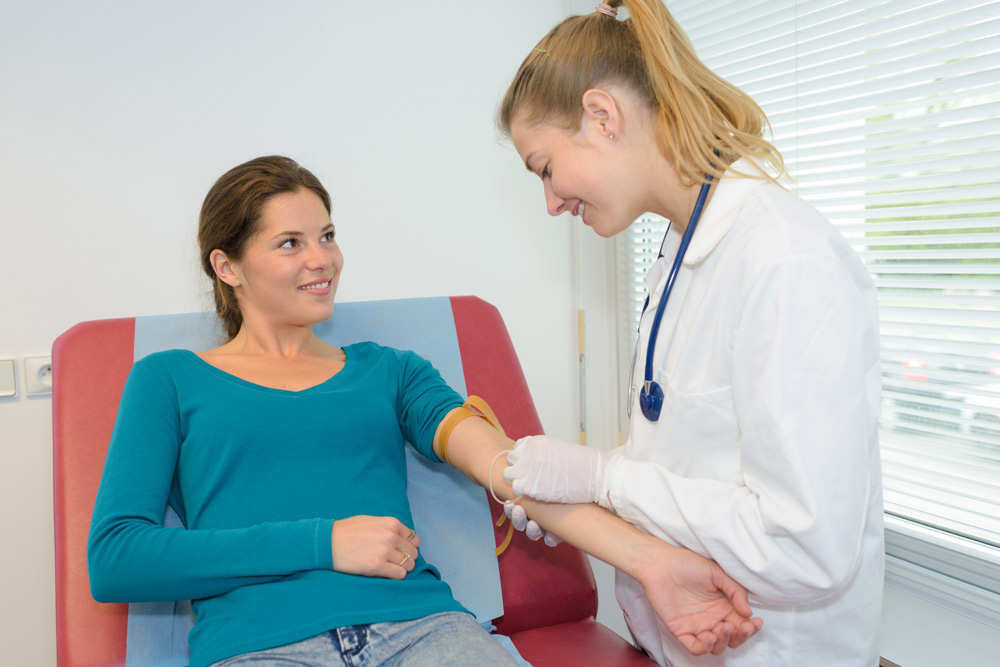
A phlebotomy technician, also known as a phlebotomist, is a healthcare professional trained to draw blood from patients for laboratory testing, blood donations, or transfusions.They play a vital role in the medical community by ensuring the accuracy and safety of blood collection processes. This role requires skill, compassion, and a keen eye for detail, making it an excellent choice for individuals seeking a fast-paced and rewarding healthcare career.
Why Choose a Career as a Phlebotomy Technician?
- High demand: The healthcare industry continues to grow,increasing the need for qualified phlebotomists.
- Short training programs: Most certification programs can be completed in a few months.
- entry-level opportunities: No extensive prior experience required to start.
- Competitive salary: The median annual wage for phlebotomists is attractive, with room for advancement.
- Fulfilling work: Helping patients and supporting medical diagnoses offers a sense of purpose.
Step-by-Step guide to Becoming a Phlebotomy Technician
Step 1: Meet the Basic Requirements
Before starting your journey, ensure you meet the basic eligibility criteria:
- Be at least 18 years old
- Have a high school diploma or GED
- Possess good interaction and interpersonal skills
- Pass a background check and drug screening (variable by employer)
Step 2: Enroll in a Certified Phlebotomy Training Program
choose a reputable training program accredited by organizations like the CAAHEP or ABP.These programs typically include both classroom instruction and practical training, covering topics like anatomy, infection control, blood collection techniques, and patient interaction.
Step 3: Complete practical Experience
Most programs include supervised clinical practice at healthcare facilities. This hands-on experience is crucial for developing the skills needed to perform venipunctures confidently and safely.
Step 4: Obtain Certification
While certification might not be legally required in all states, it considerably enhances job prospects and credibility. The most recognized certification for phlebotomists is offered by:
- National Phlebotomy Association (NPA)
- American Society for Clinical Pathology (ASCP)
- National Healthcareer Association (NHA)
Requirements generally include completing a specified training hours and passing an exam.
Step 5: Register or Obtain Licensure (If Required)
Some states mandate licensure or registration for phlebotomists. Check your state’s requirements and complete necessary applications.
Step 6: Start Your job Search
With certification in hand, begin applying to hospitals, clinics, blood donation centers, and laboratories. Highlight your training, certification, and clinical experience on your resume.
Benefits of Becoming a Certified Phlebotomy Technician
| Benefit | Description |
|---|---|
| Job Security | Growing healthcare demand ensures long-term employment opportunities. |
| Flexible Hours | Many positions offer evening, weekend, or part-time shifts. |
| Fast Entry | Training programs are relatively short, allowing quick entry into the workforce. |
| Career Advancement | Opportunities to specialize or advance into supervisory roles or healthcare management. |
Practical Tips for Aspiring Phlebotomists
- Develop strong interpersonal skills: Compassion and patience are vital when working with anxious patients.
- Practice blood collection techniques: Use simulation kits or volunteer at local clinics for hands-on experience.
- Stay updated on industry standards: Join professional organizations and attend workshops.
- Prioritize infection control and safety: Adhere strictly to safety protocols to protect yourself and patients.
- Build a professional network: Connect with healthcare professionals for mentorship and job leads.
Case Study: From Student to Certified Phlebotomist
Jane doe decided to pursue a career as a phlebotomy technician after completing her high school diploma. She enrolled in a 3-month accredited program and completed 40 hours of clinical practice. Passing the certification exam, Jane secured a position at a local hospital. Within a year, her confidence and skills grew, and she was promoted to lead phlebotomy technician, enjoying a rewarding career helping patients daily.
Final Thoughts
Becoming a phlebotomy technician is a practical and rewarding career choice for those interested in healthcare, patient care, and diagnostic services. With minimal initial education, a focus on developing technical skills, and dedication to patient safety, you can launch a successful career in this vital medical field. Whether you’re looking for a quick entry into healthcare or a stepping stone to advanced medical roles, phlebotomy offers promising opportunities paired with meaningful work.
Ready to Start Your Journey?
If you’re enthusiastic about helping others and eager to enter the healthcare sector, consider becoming a certified phlebotomy technician today. Follow our step-by-step guide, obtain your certification, and embark on a career that is both fulfilling and in high demand.