How to Become a Phlebotomy Technician: your Step-by-Step Guide to a Rewarding Healthcare Career
Embarking on a career as a phlebotomy technician can be a highly fulfilling choice for those interested in healthcare, patient care, and the science of blood collection. With a growing demand for qualified professionals in hospitals,clinics,laboratories,and other healthcare settings,becoming a phlebotomy technician offers a stable and rewarding career path. This extensive guide will walk you through the essential steps to becoming a certified phlebotomy technician, provide insights into the benefits of this profession, and share practical tips to help you succeed.
What Is a Phlebotomy Technician?
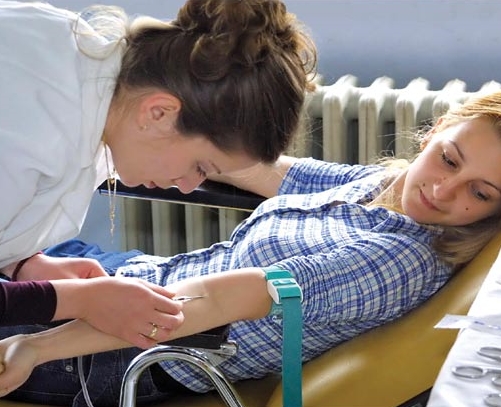
A phlebotomy technician, also known as a phlebotomist, specializes in drawing blood for tests, transfusions, research, or donations. They play a vital role in the healthcare system by ensuring the safe and accurate collection of blood samples, which are critical for diagnosing diseases and monitoring patient health. This healthcare career requires a mix of technical skills, compassion, and attention to detail.
The Benefits of a Career in phlebotomy
- Quick entry into the healthcare field with minimal education requirements
- High job stability due to consistent demand for blood collection services
- Flexible work environments, including hospitals, clinics, and mobile blood drives
- Competitive salaries for entry-level healthcare roles
- Opportunities for advancement or specialization within the healthcare sector
Step-by-step guide on How to Become a Phlebotomy Technician
1. Meet the Basic Educational Requirements
The first step in becoming a phlebotomy technician is obtaining at least a high school diploma or GED.This foundational education provides the necessary background for further training and certification.
2. Enroll in an Accredited Phlebotomy Training Program
Next,pursue a comprehensive training course accredited by organizations like the National Accrediting Agency for Clinical Laboratory Sciences (NAACLS) or similar bodies. These programs typically cover topics such as anatomy and physiology, blood collection techniques, safety protocols, and patient interaction skills.
3. Gain Practical Experience
Most training programs include clinical practice hours, which provide hands-on experience under supervision. Gaining real-world practice is crucial for building confidence and developing technical proficiency.
4.Obtain Certification
While certification requirements vary by state,earning a credential from recognized organizations like the American Society for Clinical Pathology (ASCP),the National phlebotomy Association (NPA),or the American Medical Technologists (AMT) can significantly improve job prospects and earning potential.
For example, the Certified Phlebotomy Technician (CPT) credential often requires passing an exam that assesses your knowledge and skills.
5. Pass the Certification Exam
Prepare thoroughly for the certification exam by reviewing course materials, practicing blood collection techniques, and understanding safety protocols. Once certified, maintain your credentials through continuing education and renewal requirements.
6. Apply for Phlebotomy Technician Jobs
With certification in hand, begin applying for phlebotomy technician roles. Highlight your certifications, practical experience, and patient care skills on your resume to stand out to employers.
Additional Tips for Success in Your Phlebotomy Career
- Develop Strong Communication Skills: Being able to reassure and communicate effectively with patients is essential.
- Prioritize Patient Safety: follow proper procedures to avoid errors and ensure safety for both yourself and patients.
- Keep Up with Continuing Education: Stay informed about new techniques, safety protocols, and certification renewals.
- Build a Professional Network: Join professional organizations like the NPA to connect with peers and stay updated on industry trends.
Practical Tips for Aspiring Phlebotomy Technicians
- choose reputable accredited training programs with hands-on practice opportunities.
- Gain diverse clinical experience to become pleasant working with different patient populations.
- Prepare thoroughly for certification exams with practice tests and study guides.
- Dress professionally and maintain a caring, empathetic attitude.
- Seek mentorship from experienced professionals to accelerate your learning curve.
Case Study: Accomplished Transition into Phlebotomy
| Candidate | Background | Path to Success |
|---|---|---|
| Jane Doe | Worked in retail, seeking a healthcare career change | Completed accredited training, gained clinical experience, earned certification, secured a position at a local clinic |
| Mark Smith | High school graduate, interested in medical field | Participated in online courses, volunteered at blood drives, obtained certification, advanced to supervisor role |
Summary and Final Thoughts
Becoming a phlebotomy technician is an excellent choice for those seeking a quickly accessible, rewarding healthcare career. By following the proper education, training, and certification steps, you can position yourself for a stable and meaningful job that makes a difference in patients’ lives. Remember to develop your skills continuously, stay informed about industry standards, and maintain your compassion and professionalism. The healthcare industry always needs dedicated professionals like you - your journey to becoming a certified phlebotomy technician starts now!
Meta Information