How to Become a Phlebotomy Technician: A Step-by-Step Guide to Launching Your Medical Career
If you’re passionate about helping people and interested in pursuing a rewarding career in healthcare, becoming a phlebotomy technician could be the perfect choice. Phlebotomists play a critical role in the medical field by collecting blood samples for diagnostic testing, transfusions, and research. In this guide, we’ll explore how to become a phlebotomy technician step-by-step, covering training, certification, practical tips, and insights to set you on a prosperous career path.
What Is a Phlebotomy Technician?
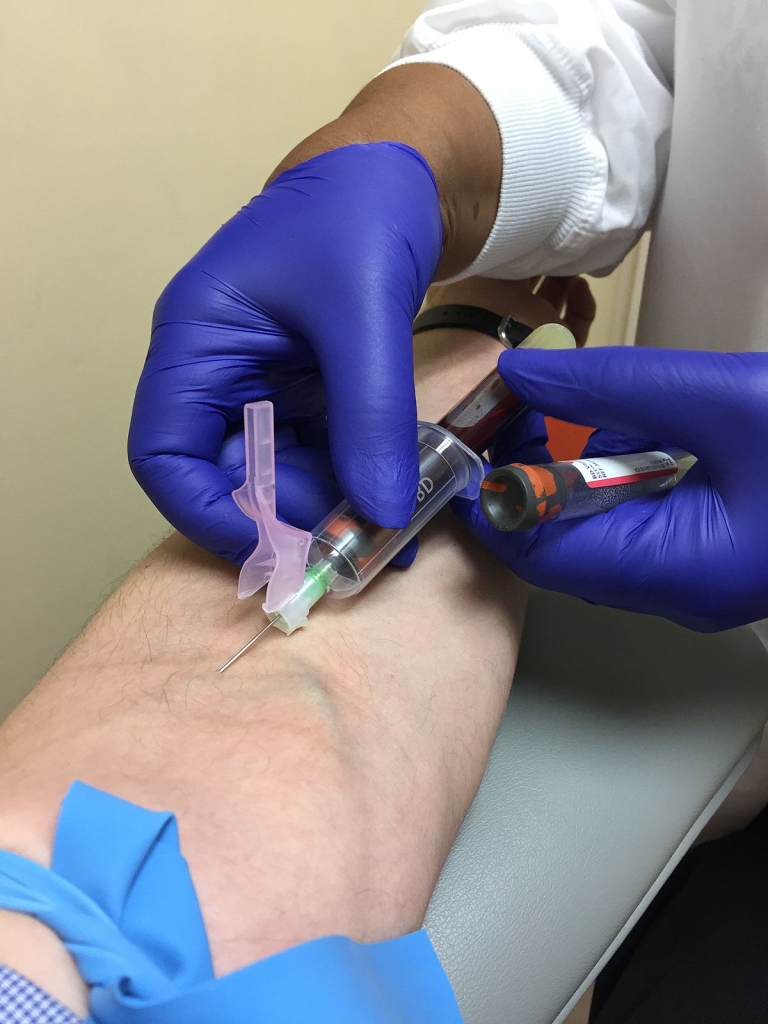
A phlebotomy technician, also known as a phlebotomist, specializes in drawing blood from patients for medical testing, blood donations, or research. These professionals work in hospitals, clinics, laboratories, blood banks, and physician offices. Their work demands precision,empathy,and adherence to safety protocols.
Why Choose a Career in Phlebotomy?
- High demand for healthcare professionals specializing in blood collection.
- Short training programs, allowing speedy entry into the healthcare industry.
- Good salary prospects, with room for advancement.
- Fulfilling work helping diagnose illnesses and save lives.
Step 1: Understand the Requirements and Prerequisites
Before beginning your journey to become a phlebotomy technician, itS essential to meet the basic requirements:
- minimum age of 18 or 21, depending on state regulations.
- High school diploma or GED equivalent.
- Strong interaction and interpersonal skills.
- Comfort with blood and needles.
- ability to stand for long periods and perform physically demanding tasks.
Step 2: Enroll in a Phlebotomy Training Program
Why Certification-Ready Training Is Vital
Most states and employers prefer or require certified phlebotomists.Accredited training programs prepare students with the necessary skills, knowledge, and clinical experience to pass certification exams.
Choosing the right Program
- Look for programs accredited by agencies like the National Accrediting Agency for Clinical Laboratory Sciences (NAACLS) or American Society for Clinical Pathology (ASCP).
- Consider program duration (typically 4-12 weeks).
- Check for hands-on clinical practice opportunities.
- Opt for programs that prepare students for certification exams.
Step 3: Complete Certification and Licensing Requirements
Certification Options for Phlebotomy Technicians
Certification enhances employability and demonstrates professional competence. Some of the most recognized certifications include:
- Certified Phlebotomy Technician (CPT) from the American Society for Clinical Pathology (ASCP)
- Registered Phlebotomy Technician (RPT) from the National Phlebotomy Association (NPA)
- Certified Phlebotomy Technician (CPT) from the National Healthcareer Association (NHA)
How to Get Certified
- Complete a state-approved training program.
- Gather clinical experience hours (if applicable).
- Pass the certification exam relevant to your certifying body.
Licensing Considerations
Some states require phlebotomy technicians to be licensed or registered. Always check your state’s regulations to ensure compliance.
Step 4: Gain Practical Experience
Hands-on clinical practice is vital to develop confidence and proficiency.many training programs include supervised externships or internships in real healthcare settings. During this phase, focus on mastering:
- Proper blood draw techniques
- Patient communication and comfort
- Safety and sanitation protocols
- Specimen handling and labeling
step 5: Land your First Job as a Phlebotomy Technician
With your certification and experience in hand, start applying for jobs. Craft a compelling resume highlighting your training, certifications, and practical experience. utilize online job boards, healthcare facility websites, and networking opportunities.
Useful Tips for Job Seekers
- Obtain strong references from training instructors or clinical supervisors.
- Prepare for interviews by practicing patient interaction scenarios.
- stay updated on industry best practices and new certification options.
Additional Resources and Training Options
| Training Program Type | Duration | Cost Range | Certification Offered |
|---|---|---|---|
| Community College Courses | 4-12 weeks | $1,000 - $3,000 | Yes |
| online Courses | Varies | $500 – $2,000 | Yes |
| Vocational Schools | 6-8 weeks | $2,000 – $5,000 | Yes |
| Hospital-Based Training | Varies | Often free or subsidized | Dependent on program |
Benefits of Becoming a Phlebotomy Technician
- Stable job outlook with consistent demand in healthcare.
- Quick training pathway compared to other medical careers.
- Opportunities for career advancement into roles like phlebotomy supervisor or healthcare technician.
- Personal satisfaction from directly helping patients and communities.
- Potential to pursue further medical certifications or degrees.
Practical Tips for Aspiring Phlebotomists
- Develop excellent communication skills to ease patient anxiety.
- Prioritize safety by following infection control protocols diligently.
- Enhance your technical skills through continuous education and practice.
- Engage in networking with healthcare professionals for job opportunities.
- Stay informed about industry updates and certifications.
First-Hand Experience: A Case Study
Meet Lisa, a recent graduate who successfully transitioned into a phlebotomy technician role within three months of completing her certification course. Lisa emphasizes the importance of hands-on practice, noting that her clinical externship was pivotal to her confidence and job readiness. Her story highlights how dedication,practical experience,and certification can accelerate your journey into this exciting healthcare career.
Conclusion
Becoming a phlebotomy technician is a practical and rewarding way to enter the healthcare industry. By following this step-by-step guide-from understanding the prerequisites, completing accredited training, obtaining certification, to gaining real-world experience-you can launch a successful medical career in a relatively short period. Whether you’re seeking job stability, a compassionate role, or a stepping stone into advanced healthcare positions, phlebotomy offers a fulfilling path with numerous opportunities for growth and contribution.
If you’re ready to embark on your journey, start researching accredited training programs today and take the first step toward becoming a vital part of the healthcare team!