How to Become a Phlebotomist: Your ultimate Guide to Starting a Medical Lab Career
If you’re interested in entering the healthcare field, becoming a phlebotomist is an excellent choice. As a vital part of medical laboratories and healthcare teams, phlebotomists are responsible for drawing blood samples accurately and efficiently, ensuring the lab tests are reliable and timely. This comprehensive guide will walk you thru the essential steps to become a certified phlebotomist,share practical tips,highlight the benefits of this career,and provide real-world insights to help you start your journey confidently.
What Is a Phlebotomist and Why is the Role Vital?
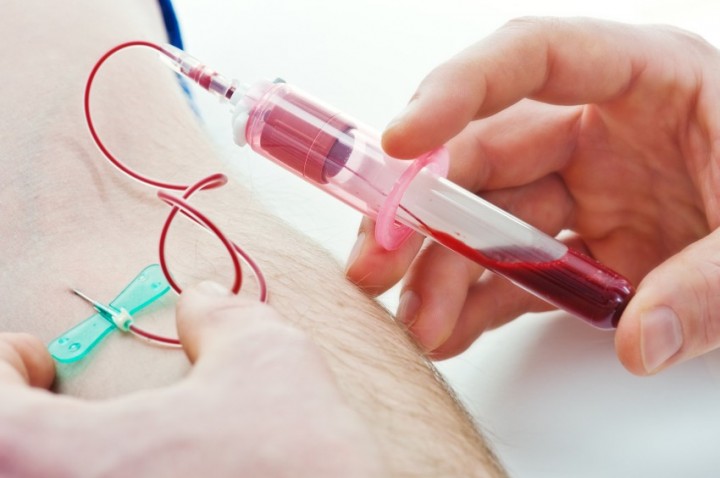
A phlebotomist specializes in collecting blood specimens from patients for laboratory testing, transfusions, donations, or research. Their role is crucial because the accuracy of diagnostic tests depends heavily on proper blood collection techniques. Additionally, phlebotomists often serve as the first point of contact in clinical settings, providing reassurance and comfort to patients.
Benefits of Becoming a Phlebotomist
- Fast Certification Process: Most programs can be completed in under a year.
- High Demand: Blood collection is critical to healthcare,ensuring steady job opportunities.
- Good Earning Potential: Salaries typically range from $30,000 to $45,000 annually, with opportunities for overtime and advancement.
- Entry-Level Pleasant: No advanced degrees required; suitable for aspiring healthcare professionals.
- Ability to Specialize: Opportunities to advance into laboratory, nursing, or healthcare management roles.
Step 1: Meet the Basic Requirements to Start Your Phlebotomy Career
Before diving into training, ensure you meet the basic prerequisites:
- Educational Background: High school diploma or GED.
- Age: Typically at least 18 years old.
- Background Check: No criminal record related to patient safety or healthcare violations.
- Communication Skills: Ability to communicate clearly and calmly with patients.
Step 2: Enroll in a Certified Phlebotomy Training Program
Choosing the right training program is a vital step. Look for accredited courses that cover theoretical knowledge and practical skills, including:
- Vascular anatomy and physiology
- Venipuncture techniques
- Safety and infection control
- Patient interaction and comfort
- Blood sample handling and processing
Training options include community colleges, vocational schools, online programs with practical labs, and hospitals offering on-the-job training.
How to Find Accredited Phlebotomy Programs
- Check accreditation through the National Healthcareer Association (NHA) or CPT.
- Review course curriculum and reviews.
- Ensure the program offers hands-on lab experience.
- Confirm job placement assistance.
Step 3: Obtain Certification and State Licensure
While certification requirements vary by state, getting certified significantly boosts your employment prospects and credibility. The most recognized certification agencies include:
- National Phlebotomy Association (NPA)
- American Society for Clinical Pathology (ASCP)
- National Healthcareer Association (NHA)
Certification process
- Complete a state-approved training program with at least 40 hours of classroom instruction and practical training.
- Pass the certification exam,which typically includes written questions and skills demonstration.
- Maintain your certification through continuing education credits.
State Licensure
Depending on where you live, you might need to obtain a license to practice as a phlebotomist. Check your state’s health department or licensing board for specific requirements.
Step 4: Gain Practical Experience
Most training programs include clinical externships or internships. Make the most of these opportunities to develop skills under supervision. Once certified, consider entry-level positions at hospitals, laboratories, blood banks, or clinics to gain real-world experience.
Step 5: Develop Essential Skills and Qualities
successful phlebotomists possess specific skills and qualities,including:
- Attention to detail
- Steady hand and proper technique for blood draws
- Strong interpersonal skills and empathy
- Ability to work under pressure
- Knowledge of safety protocols
Practical Tips for Aspiring Phlebotomists
- Practice your venipuncture technique with simulation kits before working with patients.
- always adhere to infection control and safety standards.
- Build excellent communication skills to reduce patient anxiety.
- Stay organized and maintain accurate records of blood samples.
- Continuously update your skills with ongoing education and training.
Common Challenges and How to Overcome Them
Like any healthcare role,phlebotomy has its challenges. here’s how to face them:
| Challenge | Practical Solution |
|---|---|
| Patient Difficulties | Remain calm, communicate clearly, and use gentle techniques. |
| Fear of Needles | Show empathy and provide reassurance; employ distraction techniques. |
| Rare Veins | Use proper techniques or refer to more experienced colleagues. |
| Workplace stress | Prioritize organization and self-care techniques. |
Case Studies: Real-World Success Stories
Jane’s journey into Phlebotomy
Jane, a high school graduate, enrolled in a 6-month certified phlebotomy program.After passing her certification exam, she secured a position at a local hospital. Her dedication to patient comfort and technique mastery quickly earned her recognition, leading to part-time roles and career advancement within a year.
Overcoming Challenges: Mark’s Experience
Mark initially struggled with vein access but persisted with practice and advice from colleagues. Eventually, he became proficient, earning certification and specializing in pediatric blood draws, making a positive impact on anxious young patients.
Conclusion: Take the First Step Toward a Rewarding Healthcare Career
Becoming a phlebotomist is an attainable and rewarding pathway into the healthcare industry.By completing the right training, earning certification, cultivating essential skills, and gaining practical experience, you can launch a successful medical lab career. The demand for skilled phlebotomists continues to grow, offering stability, growth opportunities, and the chance to make a tangible difference in patient care.
Start your journey today by researching accredited programs and certification requirements in your area. With dedication and professionalism, you’ll quickly find yourself contributing to vital medical processes while building a fulfilling career in healthcare.