How to Become a Phlebotomist: Your Ultimate Guide to Starting a Career in Medical Phlebotomy
Are you interested in a rewarding healthcare career that combines patient interaction with essential medical procedures? If so, becoming a phlebotomist might be the perfect path for you. This thorough guide will walk you through the steps to start your career in medical phlebotomy, from training and certification to practical tips and insights into the profession.
What Is a Phlebotomist?
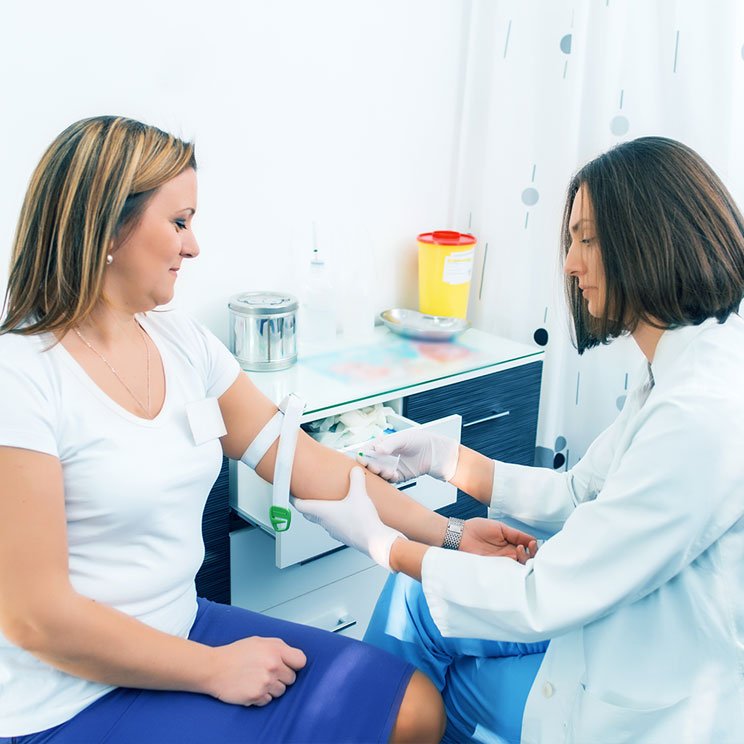
A phlebotomist is a healthcare professional specialized in drawing blood from patients for laboratory testing, transfusions, donations, or research. Their role is crucial in the medical field, ensuring blood samples are collected safely, accurately, and efficiently. The job often involves patient communication, proper specimen handling, and adherence to safety protocols.
Why Consider a Career in Medical Phlebotomy?
- High demand for trained professionals
- Relatively quick training programs
- Competitive salaries and career growth opportunities
- Fulfilling work helping patients and supporting healthcare teams
- Flexible work environments,including clinics,hospitals,and mobile labs
Steps to Become a Phlebotomist
1. Understand the Role and Requirements
Before diving into training, it’s important to understand the core responsibilities and prerequisites for becoming a phlebotomist.
- Must be at least 18 years old
- High school diploma or GED equivalent
- Good communication skills and steady hand-eye coordination
- Ability to handle patient anxiety and maintain professionalism
2. Enroll in a Certified Phlebotomy Training program
Finding the right training program is key. Look for programs accredited by organizations like the National Accrediting Agency for Clinical Laboratory Sciences (NAACLS) or state health departments. These programs typically include:
- Classroom instruction on anatomy, safety, and equipment use
- Hands-on practice drawing blood
- Training on specimen handling and processing
3. Complete Phlebotomy Certification
Certification enhances your credibility and employment prospects. Although requirements vary by state, most employers prefer or require certification from recognized agencies like:
- American Society for Clinical Pathology (ASCP) certified Phlebotomy Technician (CPT)
- National Healthcareer Association (NHA) Certified Phlebotomy Technician (CPT)
- American Medical Technologists (AMT) Certified Medical Assistant (CMA) with phlebotomy skills
4. Gain Practical Experience
Most training programs include supervised clinical externships. Gaining real-world experience is vital for developing confidence and proficiency. Consider volunteering or seeking internships if available.
5. Obtain State Licensure or Certification (if required)
States like California, Louisiana, and Nevada require phlebotomists to be licensed. Verify your state’s requirements and complete necessary applications.
6. Find employment Opportunities
with training and certification in hand, start your job search. Healthcare facilities such as hospitals, clinics, laboratories, or mobile blood drives are great options. Building a professional resume highlighting your skills and certifications will make you stand out.
Key Skills and Qualities of a Triumphant Phlebotomist
- Excellent hand-eye coordination and dexterity
- Strong communication and interpersonal skills
- Attention to detail and adherence to safety protocols
- Patience and compassion for patients
- Ability to work under pressure in fast-paced environments
Benefits of Becoming a Phlebotomist
- Quick entry into the healthcare field with short training programs
- Competitive salary potential (average salary in the US: $36,000 – $45,000 annually)
- Opportunities for specialization and advancement
- Job stability and high demand across various healthcare settings
- Fulfilling work supporting patient care and medical research
Practical Tips for aspiring Phlebotomists
- Choose an accredited training program to ensure quality education
- Invest time in practicing blood draws with supervision
- Develop good bedside manners and communication skills
- Stay updated on new techniques, equipment, and safety regulations
- network with professionals and join relevant associations
Case Study: From Student to certified Phlebotomist
| Stage | Experience |
|---|---|
| Training | Completed a 120-hour accredited program with hands-on training |
| Certification | Obtained CPT certification from NHA after passing the exam |
| Employment | Started working at a local hospital’s lab, gaining practical experience |
| Advancement | Considering specialization in pediatric phlebotomy or pathology collections |
First-hand Experience: What it’s Like to Be a Phlebotomist
Many phlebotomists find the role rewarding and diverse. Relationships with patients, the fast-paced habitat, and the technical skills acquired make the profession engaging. Challenges include managing arduous draws or anxious patients, but with experience, these become manageable. Regular training and maintaining a compassionate attitude are essential for success.
Conclusion
Becoming a phlebotomist is an excellent pathway for those interested in entering the healthcare sector with a relatively quick and accessible route. By completing proper training, obtaining certification, and developing key skills, you can start a fulfilling career supporting medical teams and improving patient outcomes. Whether you’re looking for a job with adaptability, growth potential, or a meaningful role in healthcare, phlebotomy offers a promising possibility.
Ready to take the first step? Explore accredited training programs in your area and begin your journey toward becoming a certified phlebotomist today!