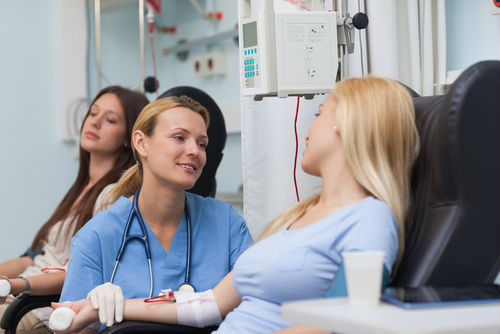
How to Become a Phlebotomist: Your Step-by-Step Guide to a Medical Laboratory Career
Embarking on a career as a phlebotomist can be an excellent choice for those interested in the medical field, healthcare, adn helping others. Phlebotomists play a vital role in medical laboratories by collecting blood samples that are essential for diagnostic testing, treatment planning, and disease monitoring. If you’re wondering how to become a phlebotomist, this extensive guide offers a detailed road map to start your journey, from necessary education to practical experience. Let’s explore the steps you need to take to launch a rewarding career in this vital healthcare profession.
What Is a Phlebotomist?
A phlebotomist is a healthcare professional trained to draw blood from patients safely and accurately.Their responsibilities include preparing patients, collecting blood samples, ensuring proper labeling, and maintaining safety and hygiene standards. The role demands excellent communication skills, attention to detail, and a steady hand. Because blood tests are critical for diagnosis and treatment,phlebotomists are essential members of the medical laboratory team.
Why Choose a Career as a Phlebotomist?
- Rewarding Work: Helping patients and contributing to healthcare diagnostics.
- Fast Entry: Short training programs often lead to speedy employment opportunities.
- High Demand: Growing need in hospitals,clinics,and diagnostic labs.
- Flexible Schedules: Opportunities for part-time, full-time, or evening shifts.
- Progression: Potential to advance into supervisory roles or specialized medical fields.
Step-by-Step Guide to Becoming a Phlebotomist
Step 1: Understand the Role and Requirements
Before you commit, familiarize yourself with the responsibilities of a phlebotomist and the qualifications needed. Requirements may vary by state or country, but generally include a minimum age of 18, a high school diploma or GED, and a clean criminal background check.
Step 2: Obtain the Necessary Education
Most employers prefer candidates with a formal education in healthcare. Here are your options:
- High School Diploma or GED: Basic educational requirement.
- Phlebotomy Training Program: Enroll in a certified program that covers anatomy, physiology, blood collection techniques, safety protocols, and laboratory procedures.
Step 3: Complete a Certified Phlebotomy Program
Accredited training programs are offered by community colleges, technical schools, hospitals, and vocational institutions. These programs typically last from a few weeks up to six months. They include both classroom instruction and hands-on practice to ensure you develop the necessary skills.
Step 4: Obtain Certification
While not always mandatory, certification enhances job prospects and credibility. the most recognized certifications include:
| Certification Body | Certification Name | Eligibility |
|---|---|---|
| American Society for Clinical Pathology (ASCP) | Certified phlebotomy Technician (CPT) | Completion of approved training and some work experience |
| National Phlebotomy Association (NPA) | Registered phlebotomy Technician (RPT) | Training program completion and exam |
| American Medical Technologists (AMT) | Certified Medical Laboratory Assistant (CMLA) | Relevant education and training |
Step 5: Gain Practical Experience
Hands-on experience is critical in mastering venipuncture and capillary blood collection. During your training, you’ll complete clinical rotations or externships in real healthcare settings. This experience builds confidence and competence, making you more marketable to employers.
Step 6: apply for Jobs
With certification and practical experience, you can start applying for phlebotomy technician positions. Look for opportunities in hospitals, clinics, outpatient labs, blood donation centers, and physician offices. Prepare a professional resume highlighting your skills, education, and experience.
Additional Tips for a Successful career in Phlebotomy
- Maintain Certification: Most certifying bodies require renewal every few years through continuing education.
- Develop Soft Skills: Effective communication, patient care, and stress management are essential.
- Stay Updated: Keep abreast of industry standards and new techniques through workshops and online courses.
Benefits of Becoming a Certified Phlebotomist
Becoming certified not only boosts your employability but also ensures you adhere to professional standards. Some benefits include:
- Higher earning potential
- Better job security
- Opportunities for specialization (e.g., pediatric phlebotomy)
- Recognition within the healthcare community
Practical Tips for Aspiring Phlebotomists
- Practice your venipuncture skills regularly to improve proficiency.
- Build good rapport with patients to ease their anxiety and improve cooperation.
- Invest in quality personal protective equipment (PPE) and hygiene practices.
- Seek feedback from mentors or supervisors to enhance your technique.
Real-Life Case Study: From Training to Career Success
Meet Sarah,who started as a volunteer at her local hospital. After completing a certified phlebotomy program and obtaining her certification,she secured a full-time phlebotomist role. Through continuous learning and dedication, Sarah advanced to lead phlebotomy technician in her department, illustrating how proper training and commitment can lead to a successful career trajectory.
Conclusion
Becoming a professional phlebotomist is an accessible, rewarding pathway into the healthcare industry. By following the step-by-step process of education, certification, and gaining practical experience, you can develop the essential skills to excel in this career. The demand for qualified phlebotomists continues to grow, offering stability and opportunities for advancement. Whether you’re looking for a quick entry into healthcare or a foundational step toward other medical careers, the world of phlebotomy welcomes dedicated learners ready to make a difference.
If you’re passionate about helping others and interested in a dynamic healthcare role,now is the perfect time to start your journey toward becoming a certified phlebotomist. Your future in healthcare awaits!