How to Become a Phlebotomist: Your Complete Step-by-Step Guide to a Healthcare Career
Embarking on a career in healthcare offers numerous rewarding opportunities, and becoming a phlebotomist is an excellent choice for those interested in direct patient care and medical diagnostics. As a crucial part of healthcare teams, phlebotomists are responsible for drawing blood samples that help diagnose and treat illnesses. If you’re wondering how to become a phlebotomist, this thorough guide will walk you through each step, from educational requirements to certification, and share practical tips to kickstart your journey into this exciting healthcare profession.
What Is a Phlebotomist?
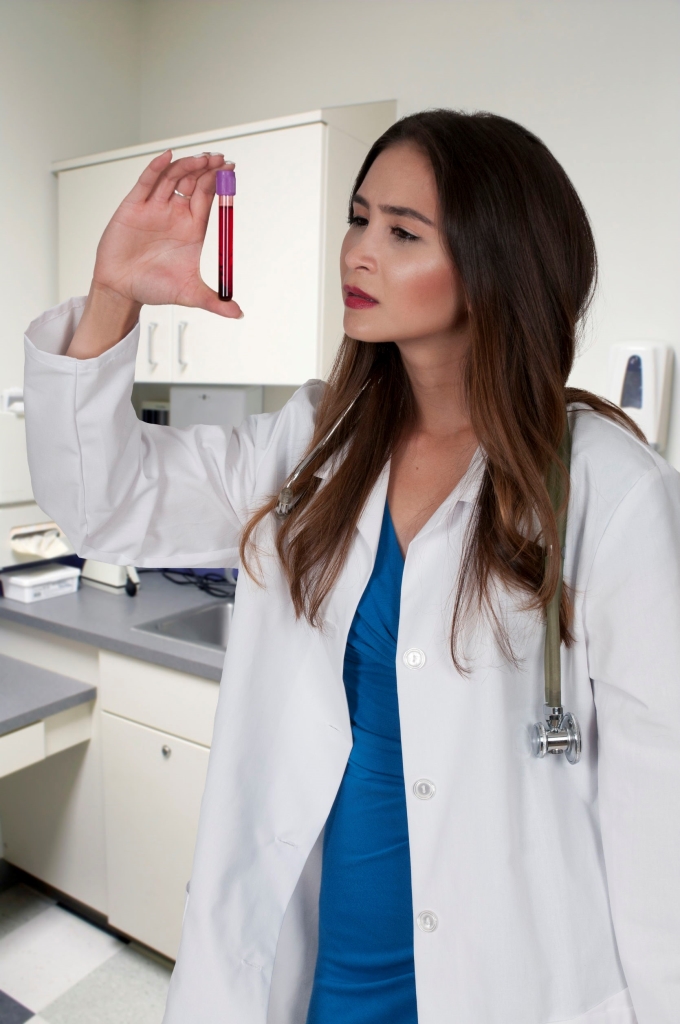
A phlebotomist is a healthcare professional trained to collect blood samples from patients for laboratory testing, transfusions, donations, or research. Their expertise ensures safe, accurate, and comfortable blood draws, making them vital members of hospitals, clinics, laboratories, and blood donation centers.
Why choose a Career in Phlebotomy?
- Accessible entry point: Short training programs and certifications make it easier to enter the healthcare industry.
- Job stability: Growing demand for healthcare services increases opportunities for phlebotomists.
- Competitive salary: Earn a comfortable income wiht room for advancement.
- Fulfilling work: Contribute directly to patient care and medical research.
- Flexible work environments: Opportunities to work in hospitals, clinics, mobile labs, and more.
Step-by-Step guide on How to Become a Phlebotomist
Step 1: Obtain High School Diploma or Equivalent
the foundation of your journey begins with a high school diploma or GED. This is generally the minimum educational requirement to pursue phlebotomy training programs.
Step 2: Enroll in a Certified Phlebotomy Training Program
Next, you’ll need to complete a recognized phlebotomy training course. These programs typically cover anatomy, blood collection techniques, safety protocols, and patient interaction skills.
| Program type | Duration | certification Offered |
|---|---|---|
| Community colleges, vocational schools | 4-8 weeks | Yes |
| Online courses with practical training | Varies | Yes |
| Employer-sponsored training | Varies | Perhaps |
Step 3: Gain Hands-On Experience
Most phlebotomy programs include clinical externships or practicum components that give you practical experience. Developing confidence and skill in blood collection techniques is essential before working independently.
Step 4: Obtain Certification
Although certification requirements vary by state, earning a professional certification can enhance job prospects and credibility. The two most recognized certifying bodies are:
- American Society for Clinical Pathology (ASCP)
- National Healthcareer Association (NHA)
certification typically involves passing an exam that assesses your knowledge and skills in phlebotomy.
Step 5: apply for Phlebotomy Positions
With certification and experience, you can now seek employment at hospitals, clinics, laboratories, or mobile phlebotomy services. tailor your resume to highlight your training, certifications, and practical experience.
Step 6: Continue Education and Maintain Certification
Many certifications require periodic renewal through continuing education. Staying current with industry best practices and new technologies ensures your professional growth.
Skills and Qualities of a Triumphant Phlebotomist
- Interpersonal skills: Comfort in patient interaction,especially with apprehensive individuals.
- Attention to detail: Accurate identification and labeling of samples.
- Steady hand and manual dexterity: Precise blood collection techniques.
- Knowledge of safety protocols: Infection control and proper disposal of sharps.
- Physical stamina: Ability to stand for extended periods.
The Benefits of a Career in Phlebotomy
Choosing a career as a phlebotomist offers numerous advantages:
- short training duration: Many programs take just a few weeks to complete.
- High demand: The healthcare industry increasingly relies on skilled phlebotomists.
- potential for advancement: Progress into supervisory roles or specialized fields like donor phlebotomy.
- job satisfaction: Making a positive impact on patients’ health and well-being.
Practical Tips for aspiring Phlebotomists
- Choose accredited training programs: Ensure the program meets industry standards for quality and certification eligibility.
- Practice your skills: Utilize simulation labs or volunteer opportunities to improve technique.
- Prepare for certification exams: Review course materials, practice mock tests, and understand the exam scope.
- Develop soft skills: Work on empathy,dialog,and patience to provide great patient care.
- Stay compliant with state requirements: research your state’s specific licensing or certification mandates.
Case Study: From Novice to Certified Phlebotomist
Meet Sarah, who decided to switch careers to healthcare. She enrolled in a 6-week phlebotomy training program, completed her clinical externship at a local clinic, and passed the NHA certification exam. Today, Sarah works full-time in a busy hospital, drawing blood from patients with confidence, and is considering advancing her career into medical assisting. Her journey illustrates how dedicated training and certification open doors in the healthcare sector.
Conclusion
Becoming a phlebotomist is a rewarding pathway into the healthcare industry, especially for individuals looking for a rapid yet impactful entry point into medical careers. By following the steps outlined-obtaining the necessary education, gaining hands-on experience, obtaining certification, and actively seeking employment-you can set yourself up for success in this vital healthcare role. whether you’re driven by a desire to help others or seeking job stability and growth, phlebotomy offers a promising career filled with meaningful opportunities.