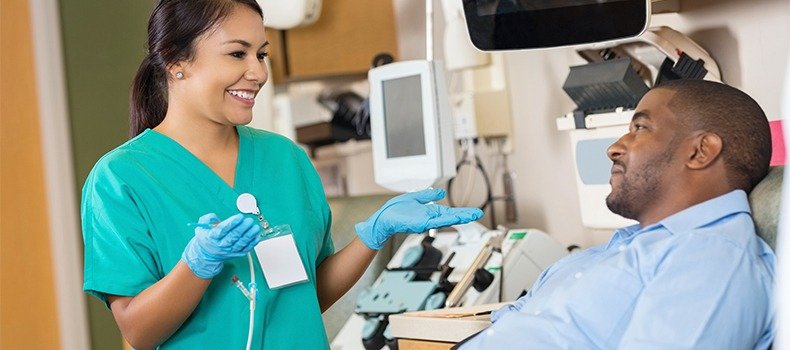
How to Become a Phlebotomist: Your Complete Guide to Starting a Rewarding Career
Becoming a phlebotomist is an excellent career choice for those interested in the medical field and patient care. Phlebotomists play a critical role in healthcare by drawing blood for tests,transfusions,and donations. In this thorough guide, we’ll walk you through everything you need to know about starting a rewarding career as a phlebotomist, including training, certification, job opportunities, and helpful tips.
What Is a phlebotomist?
A phlebotomist is a trained healthcare professional specializing in drawing blood for medical purposes.Their responsibilities often include:
- Collecting blood samples from patients.
- Preparing samples for laboratory testing.
- Maintaining equipment used in blood collection.
- Documenting patient data and maintaining records.
- Ensuring patient comfort during the blood draw process.
Steps to Become a Phlebotomist
1. Understanding the Educational Requirements
To embark on your phlebotomy career, you’ll need to fulfill certain educational requirements:
- High school diploma or GED.
- Completion of a formal phlebotomy training program.
2. Enroll in a phlebotomy Training Program
Phlebotomy training programs can be found at community colleges, vocational schools, and online institutions. Look for programs accredited by organizations such as the National Accrediting agency for Clinical Laboratory Sciences (NAACLS).
3. Gain Hands-On Experience
Clinical internships are usually part of phlebotomy training programs. During these internships, you’ll gain valuable experience by practicing blood draws on real patients under supervision.
4. Obtain Certification
while certification is not mandatory in every state, many employers prefer certified phlebotomists. Here are some well-known certification organizations:
- American Society for Clinical Pathology (ASCP)
- National Healthcareer Association (NHA)
- American Medical Technologists (AMT)
5. Apply for Jobs
Once you complete your training and earn certification, start applying for positions. Employers may include hospitals, labs, blood donation centers, and clinics.
Benefits of Becoming a Phlebotomist
Choosing a career as a phlebotomist comes with several benefits:
- Short Training Period: Training programs usually last from a few months to a year.
- Job Stability: The demand for healthcare professionals continues to grow,ensuring job security.
- Interaction with Patients: Enjoy a rewarding work habitat by assisting patients directly.
- Competitive Salary: Entry-level positions can lead to favorable pay with experience.
Salary Expectations
Phlebotomist salaries can vary based on location, experience, and workplace settings. Here’s a general overview of average salaries:
| Location | Average Salary |
|---|---|
| United States | $36,000 – $45,000 per year |
| California | $45,000 – $55,000 per year |
| Texas | $34,000 – $42,000 per year |
| New York | $40,000 – $50,000 per year |
Practical Tips for Aspiring Phlebotomists
To excel in your phlebotomy career, consider the following tips:
- Stay calm and composed to help ease patient anxiety during blood draws.
- Develop good communication skills for effective interaction with patients.
- Keep up with ongoing education to stay informed about new techniques and technologies.
- Network with other healthcare professionals to discover job opportunities.
Case Study: Success Story of a Phlebotomist
Meet Sarah, a phlebotomist who transitioned from a retail job to the medical field. After completing her training in just six months, she secured an internship at her local hospital, which led to a full-time job. Sarah loves the daily interactions with patients and finds fulfillment in her role. “It’s rewarding to know that I am a vital part of patient care, helping doctors diagnose and treat illnesses,” she says.
First-Hand Experience in Phlebotomy
In talking to current phlebotomists, many emphasize the importance of empathy and patience. “it’s vital to make the experience as agreeable as possible for patients,” one phlebotomist shared. they also noted that the emotional rewards are just as significant as the financial ones, as they connect with diverse patients from all walks of life.
Conclusion
Becoming a phlebotomist is a highly rewarding career choice for those interested in healthcare, patient interaction, and science. By following the outlined steps, obtaining the necessary education and training, and continually refining your skills, you can embark on a fulfilling path. Remember, whether you’re collecting blood for vital tests or contributing to life-saving procedures, your role as a phlebotomist is integral to the healthcare system. Start your journey today, and you’ll soon find your place among the many essential professionals in this dynamic field!