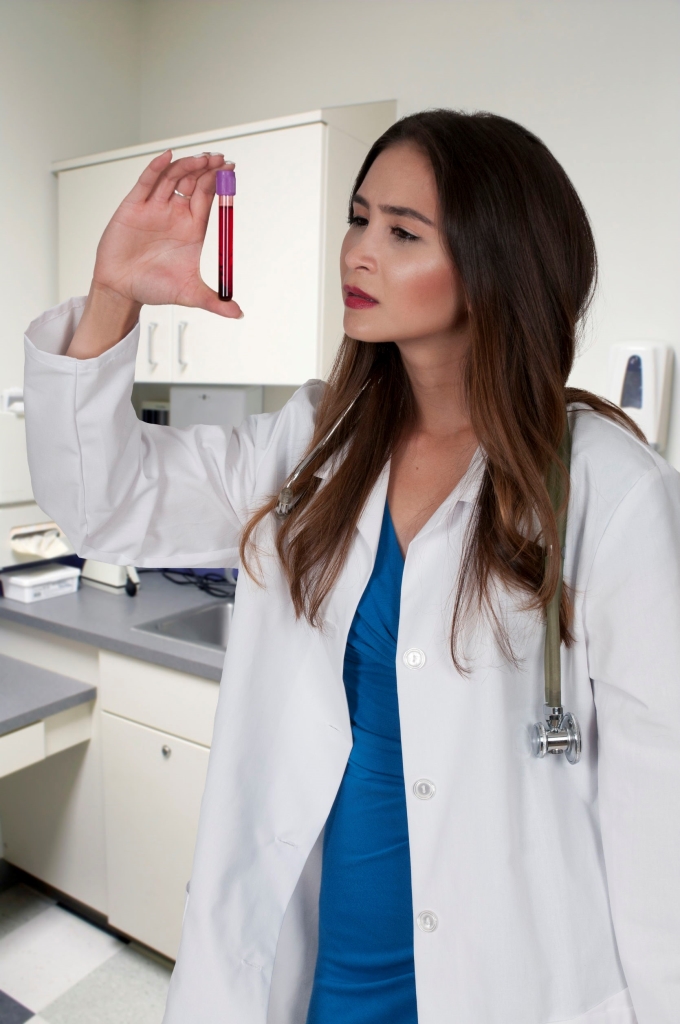
How too Become a Phlebotomist: Step-by-step Guide to Launch Your Medical Laboratory Career
Embarking on a career as a phlebotomist offers a rewarding pathway into the healthcare industry.With a growing demand for blood collection specialists,becoming a certified phlebotomist not only provides job stability but also opens doors to diverse healthcare roles. Whether you’re just starting out or considering a career change, this thorough guide will walk you through the essential steps to become a professional in this vital medical field.
Introduction
Phlebotomists play a crucial role in the medical laboratory and healthcare settings by collecting blood samples, preparing specimens for testing, and ensuring patient comfort during procedures. As the demand for blood testing continues to rise due to advancements in diagnostics and an aging population, training as a phlebotomist is an excellent career choice. This guide covers everything from educational requirements and certifications to practical tips,benefits,and real-life experiences to help you successfully launch your medical laboratory career as a phlebotomist.
Understanding the Role of a Phlebotomist
Before diving into the steps,it’s vital to understand what a phlebotomist does. The primary responsibilities include:
- Drawing blood safely and efficiently from patients
- Labeling and handling blood samples correctly
- Ensuring patient comfort and safety
- Maintaining accurate records and documentation
- Adhering to strict health and safety protocols
Accomplished phlebotomists possess excellent manual dexterity, communication skills, and a calm demeanor to handle patients of all ages and backgrounds.
Step 1: Meet the educational Requirements
High School diploma or equivalent
The foundational step to become a phlebotomist is obtaining a high school diploma or GED. Courses in biology, anatomy, and health sciences can give you a competitive edge.
Formal Phlebotomy Training Program
While some states permit on-the-job training, enrolling in a formal phlebotomy training program considerably improves your skills and employability. These programs are offered through community colleges, vocational schools, and online platforms.
| Program Type | Duration | Cost Range | Certification Preparedness |
|---|---|---|---|
| Certificate Program | 4-12 weeks | $700 – $2,500 | Yes |
| Online Course | Flexible | $300 - $1,500 | Yes |
| In-person Training | 2-6 months | $1,000 – $3,500 | Yes |
Step 2: gain Practical Experience
Hands-on training is basic in phlebotomy. Clinical practice allows you to develop proficiency with blood drawing techniques, patient interaction, and safety protocols. Many training programs include externships or lab practice hours.
Step 3: Obtain Certification
Why Certification Matters
Although not all states mandate certification, earning a credential enhances your credibility, improves job prospects, and often is required by employers.
Top Certifying Bodies
- American Society for Clinical Pathology (ASCP)
- National Healthcareer Association (NHA)
- american Medical Technologists (AMT)
- national Phlebotomy Association (NPA)
Certification Requirements
typical requirements include completing a certified training program,accumulating a specific number of blood draws,and passing a certification exam.
| Certification Body | Exam Fee | Validity & Recertification | Prerequisites |
|---|---|---|---|
| ASCP | $135 | 3 years, recertify every 3 years | High school diploma + training + 40+ blood draws |
| NHA | $115 | 2 years, recertify every 2 years | Training program + 1,000 hours on the job |
Step 4: Obtain State and Local Licenses (If Required)
Some states require phlebotomists to be licensed or registered. Check with your state’s health department or licensing board for specific requirements and ensure you fulfill the criteria to legally practice.
Step 5: Start Your Job Search
With certification and experience in hand, you’re ready to seek employment opportunities. Look for positions in:
- Hospitals
- Clinics
- Blood donation centers
- Physician offices
Craft a compelling resume highlighting your training, certifications, and practical experience. Prepare for interviews by practicing patient interaction and blood collection scenarios.
Benefits of Becoming a Certified Phlebotomist
- Job Security due to high demand in healthcare
- flexible Working Hours with opportunities for part-time or full-time roles
- Career Advancement potential to progress into roles such as Medical Laboratory Technician or Healthcare Supervisor
- Rewarding Work helping patients and contributing to medical diagnostics
Practical Tips for Aspiring Phlebotomists
- Develop excellent communication skills to comfort nervous patients
- Practice blood draw techniques consistently during training
- Stay updated with the latest safety protocols and industry standards
- Join professional organizations like the ASCP or NHA for networking opportunities
- Seek feedback and continuously improve your skills
Case Study: From Novice to Expert Phlebotomist
Jane, a recent graduate, enrolled in a 6-week phlebotomy certification program. After certification and a 2-month externship, she secured a position at a local hospital. Through dedication and ongoing training, jane now confidently performs complex blood draws, mentors new hires, and is considering advanced certification to move into supervisory roles. Her journey exemplifies how structured training and continuous learning can launch a successful medical laboratory career as a phlebotomist.
First-Hand Experience & Practical Tips
One of the most valuable aspects of becoming a phlebotomist is gaining real-world experience early in your career. Tips from seasoned professionals include:
- Always verify patient identity to prevent errors
- Use proper needle and tube selection to ensure sample quality
- Maintain excellent hygiene and safety standards
- Be empathetic and patient with nervous or tough patients
- Keep detailed records of each blood draw for compliance
Conclusion
Becoming a phlebotomist is a practical and fulfilling way to begin or advance your career in the healthcare industry. By fulfilling educational requirements, obtaining certification, gaining hands-on experience, and staying committed to professional growth, you can successfully launch your medical laboratory career. Remember, the journey requires dedication, continuous learning, and a compassionate approach to patient care. Start today,and open the door to a reliable and rewarding healthcare profession!