How to become a Phlebotomist: A Step-by-Step Guide to Starting Your Healthcare Career
Are you interested in entering the healthcare field and helping patients thru essential diagnostic procedures? Becoming a phlebotomist is a rewarding career choice that allows you to work directly with patients, perform blood draws, and support medical diagnoses. This comprehensive guide will walk you through the necessary steps to start your journey toward becoming a certified and skilled phlebotomist.Whether you’re a recent graduate or considering a career switch, this article provides valuable insights into training, certification, practical tips, and the benefits of this in-demand profession.
What is a Phlebotomist? overview of the profession
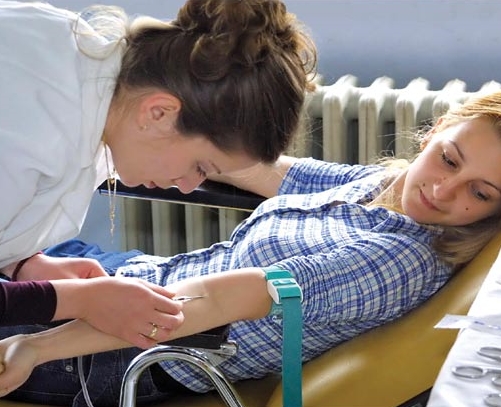
A phlebotomist is a healthcare professional trained to draw blood from patients for laboratory testing, transfusions, donations, or research. They play a critical role in the medical diagnostic process, ensuring samples are collected safely, correctly, and with minimal discomfort to patients. Phlebotomists typically work in hospitals,clinics,laboratories,blood donation centers,and physician’s offices.
Why Choose a Career as a phlebotomist?
- High demand: The healthcare industry constantly needs skilled phlebotomists due to increasing medical testing and patient care demands.
- Entry-level friendly: Minimal educational requirements compared to other healthcare careers, with many positions available after completing certification programs.
- Flexible schedule: Opportunities for full-time, part-time, or even travel positions.
- Rapid training process: You can typically start working within a few months of completing certification.
- rewarding work: Making a difference in patients’ lives through compassionate care and crucial diagnostics.
Step 1: Understand the Basic Requirements and Skills Needed
Before diving into training, it’s vital to understand the core skills and prerequisites for aspiring phlebotomists:
- Educational background: High school diploma or GED equivalent.
- Good communication skills: Ability to comfort patients and clearly explain procedures.
- Attention to detail: Ensuring blood samples are labeled and collected accurately.
- Steady hand and manual dexterity: Crucial for performing blood draws safely and comfortably.
- Ability to handle stress: Managing anxious patients or emergency situations calmly.
Step 2: Obtain Proper Education and Training
Enroll in a Certified Phlebotomy Programme
The next step involves completing an accredited training program. These programs are often offered at community colleges, technical schools, hospitals, or online. Look for programs accredited by recognized agencies such as the National Accrediting Agency for Clinical Laboratory Sciences (NAACLS).
Course Content Typically Includes:
- Human anatomy and physiology
- Proper blood collection techniques
- Safety and infection control measures
- Patient interaction and communication skills
- Legal and ethical considerations
Duration and Format
Most phlebotomy training programs last from four to twelve weeks, depending on the depth of training. Some courses combine classroom instruction with practical, hands-on experience in a clinical setting.
Step 3: Gain Practical Experience
Hands-on experience is vital to becoming a competent phlebotomist. During your training program,you will typically participate in supervised blood collection procedures. This real-world practice is essential to build confidence and technical skills.
| Experience Type | Duration | Location |
|---|---|---|
| clinical Practicum | 4-8 weeks | Partnered healthcare facilities |
| Internship | As scheduled | Local labs or clinics |
Step 4: Obtain Certification
Why Certification Matters
Certification validates your skills and increases employment opportunities. Many employers require or prefer certified phlebotomists. Additionally, certification might be a requirement to work in certain states or healthcare facilities.
Popular Certification Options
- National Certified Phlebotomy Technician (N*CPT): Offered by organizations like the National Healthcareer Association (NHA).
- Registered Phlebotomy Technician (RPT): Certified through the American Society for Clinical Pathology (ASCP).
- Phlebotomy Certification by the American Medical Certification Association (AMCA).
Certification Requirements
- Completion of an accredited training program
- Passing a certification exam
- Possibly documented practical hands-on experience
Step 5: Apply for Jobs and Continue Professional Progress
With certification in hand, you can start applying for phlebotomy positions. Craft a professional resume highlighting your training, skills, and clinical experience. Once employed, continuing education and specialized training can enhance your qualifications and open doors to advanced roles such as supervisory or training positions.
Salary Expectations
According to the U.S. Bureau of Labor Statistics, the median annual salary for phlebotomists was approximately $37,000 as of 2023, with higher earnings potential in hospitals and metropolitan areas.
Benefits of Becoming a Phlebotomist
- Fulfilling career: Directly helping patients and supporting healthcare teams.
- Job stability: Consistent demand across various healthcare settings.
- Quick entry: Short training period with rapid job placement.
- Adaptability: Various schedules and work environments.
- Growth potential: Opportunities to advance into supervisory or specialty roles.
Practical Tips for Aspiring Phlebotomists
- Choose an accredited training program to ensure quality education.
- Practice blood collection techniques repeatedly to build confidence.
- Develop exceptional patient communication skills to ease patient anxiety.
- Stay updated with new certification requirements or technological advancements.
- Join professional associations like the National Phlebotomy Association for networking and continuing education.
Case Study: From Student to Certified Phlebotomist
Jessica, a recent graduate, enrolled in a six-week phlebotomy training program at her local community college. She completed her clinical practicum at a nearby hospital and passed the NHA certification exam. Within two months, Jessica secured a full-time phlebotomist position at a regional clinic, earning a competitive salary and gaining invaluable practical experience. Her journey highlights how dedicated training and certification can fast-track your healthcare career in phlebotomy.
Conclusion
Embarking on a career as a phlebotomist is a practical and rewarding choice for those interested in healthcare, patient interaction, and diagnostic support. By following the steps outlined-from understanding the role, obtaining proper training, gaining hands-on experience, to earning certification-you can successfully start your healthcare journey. With high demand, a supportive work habitat, and opportunities for growth, becoming a professional phlebotomist can be your gateway to a fulfilling career in the medical field.
Begin today by researching accredited training programs in your area, and take the first step toward a meaningful and stable healthcare career as a certified phlebotomist!