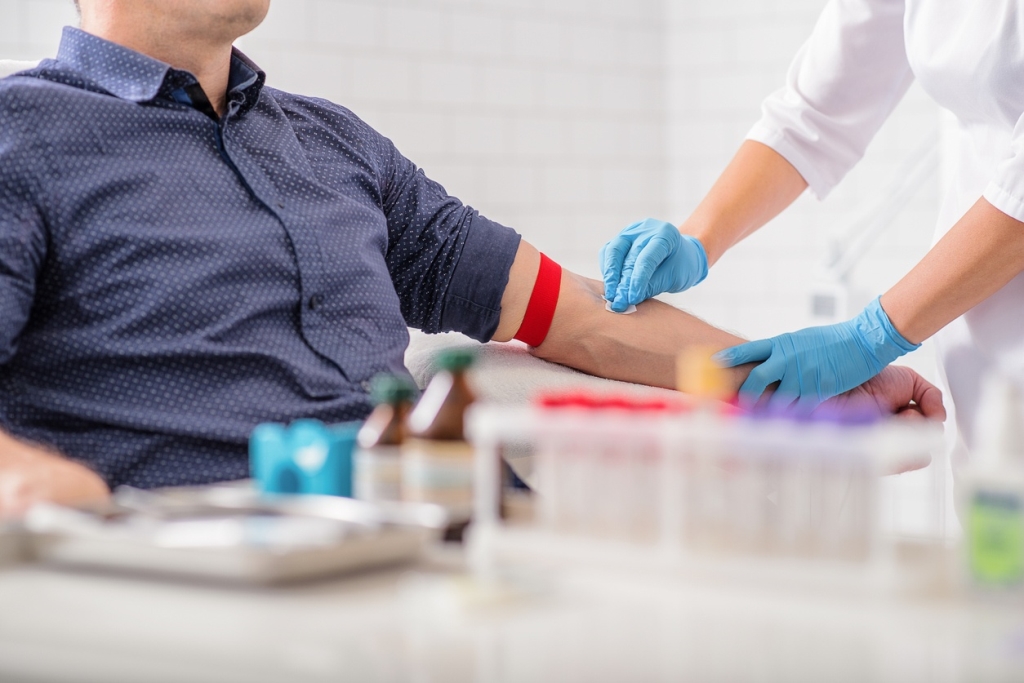
How to Become a Licensed Phlebotomist: Step-by-step guide to Starting Your Healthcare Career
Embarking on a career as a licensed phlebotomist is an excellent choice for those interested in the healthcare industry. Phlebotomists play a vital role in patient care by collecting blood samples for testing, diagnostics, and research. If you’re eager to start a rewarding healthcare career, understanding the steps to become a licensed phlebotomist is essential. This comprehensive guide will walk you through each stage,from education to certification and licensing,helping you turn your aspiration into reality.
Why Choose a Career as a Phlebotomist?
Phlebotomy is a crucial allied health profession with many benefits, including:
- High demand: The healthcare sector continually needs qualified phlebotomists.
- Entry-level accessibility: Requires minimal educational investment compared to other healthcare roles.
- Flexibility: Opportunities to work in hospitals, clinics, laboratories, and blood banks.
- personal fulfillment: Directly helps patients and contributes to vital medical diagnostics.
Prerequisites and Basic Requirements
Before starting your journey to become a licensed phlebotomist, ensure you meet these basic requirements:
- Be at least 18 years old
- Hold a high school diploma or GED
- Possess good communication and interpersonal skills
- be cozy with blood and needles
Step 1: Obtain the Necessary Education and Training
The first step is to complete a recognized phlebotomy training program. These programs are offered by community colleges, technical schools, hospitals, or online education providers. The goal is to learn the technical skills and safety protocols needed for competent blood collection.
Choosing the Right Training Program
When selecting a program, consider the following:
- Program accreditation by organizations like the National Accrediting Agency for Clinical Laboratory Sciences (NAACLS)
- Hands-on practical experience included in the curriculum
- Course content covering anatomy, infection control, blood collection techniques, and safety procedures
- Flexibility and duration – typically ranging from a few weeks to a few months
What You Will Learn
| Training Topics | Details |
|---|---|
| Blood Collection Techniques | Venipuncture, capillary puncture, safety protocols |
| Patient Interaction | Communication, patient prep, handling anxious patients |
| Safety & Infection Control | Proper disposal, cross-contamination prevention |
| Equipment Handling | Proper use of needles, tubes, and labeling |
Step 2: Complete Practical Training and Gain Experience
Most certification programs require hands-on training. During this phase, you’ll practice blood draws under supervision, ensuring you develop proficiency and confidence. Gaining real-world experience is pivotal for competence and future licensing.
Step 3: Pass a Certification Exam
While certification requirements vary by state, obtaining a professional certification enhances your job prospects and credibility. Several organizations offer recognized certification exams, including:
- National Healthcareer Association (NHA) Certified Phlebotomy Technician (CPT)
- American Society for Clinical Pathology (ASCP) Certification
- National Center for Competency Testing (NCCT) Certified Phlebotomy technician (CPT)
Preparing for the certification exam
Utilize study guides, practice tests, and review courses. Focus on core topics such as anatomy, blood collection procedures, safety, and sample handling.
Step 4: Obtain State Licensure or Registration
After certification, check your stateS requirements for licensure or registration. Some states mandate licensing for phlebotomists, which may involve submitting proof of certification, completing a background check, and paying applicable fees. A few states have specific licensing boards that oversee phlebotomy professionals.
States Requiring Licensure
| State | License Required? | Additional Requirements |
|---|---|---|
| California | Yes | Background check, proof of certification |
| Florida | Yes | Application, fees, criminal background check |
| Ohio | Yes | State exam, CPR certification |
| New York | No license required but registration needed | Certification compliance |
Step 5: Start Your Career as a Licensed Phlebotomist
with your license or registration in hand, you are ready to seek employment in healthcare facilities, laboratories, or blood donation centers. Building your professional network and gaining experience will open more advanced opportunities in the field.
Additional Practical Tips & Benefits of Becoming a licensed Phlebotomist
- Stay updated on industry standards: Continuing education can definitely help you stay current and improve your skills.
- Build excellent patient rapport: Compassion and communication are key to prosperous blood draws.
- Advance your career: Becoming a supervisory technician or pursuing further healthcare education is possible.
real-Life case Study
Meet Emma, a certified phlebotomist who started training in her local community college. After completing her program and passing her certification exam, she obtained state licensure in her home state. Emma now works in a busy hospital, where her skills and patient-centered approach have earned her recognition. Her story underscores the importance of proper training, certification, and licensure in building a successful healthcare career.
Conclusion
Starting a career as a licensed phlebotomist is a rewarding pathway into the healthcare industry. By following a structured process-obtaining education and training, gaining practical experience, passing certification exams, securing state licensure, and actively pursuing employment-you can become a qualified professional in this vital medical field.Weather you’re looking for a stable job, flexible hours, or a chance to help others, becoming a licensed phlebotomist offers a fulfilling and growth-oriented career option.
Take the first step today by researching accredited training programs and preparing for your certification exam. Your journey into healthcare starts with a single, confident blood draw!