How to Become a Certified Phlebotomy technician: Step-by-Step Guide to Starting Your Medical Laboratory Career
If you’re passionate about healthcare and interested in a rewarding career that helps save lives, becoming a certified phlebotomy technician (PBT) is an excellent choice. Phlebotomy technicians play a critical role in medical laboratories, clinics, and hospitals by collecting blood samples vital for diagnosis and treatment. In this extensive guide,we’ll walk you through the essential steps to kickstart your journey toward becoming a certified phlebotomy technician,highlighting training,certification,career benefits,and practical tips.
Introduction
Embarking on a career as a phlebotomy technician offers numerous opportunities in the healthcare industry. With the increasing demand for skilled laboratory professionals, obtaining certification not only enhances your credibility but also opens doors to diverse employment options. Whether you’re starting fresh or transitioning from another healthcare role, understanding the necessary steps will help you navigate your path smoothly and confidently.
What Is a Phlebotomy Technician?
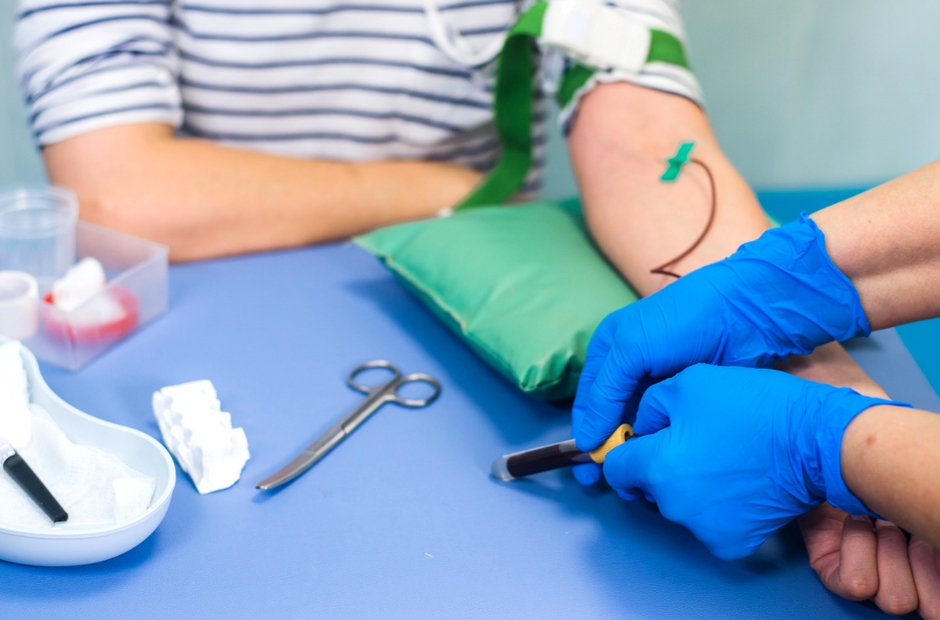
A phlebotomy technician specializes in drawing blood samples from patients for laboratory testing, transfusions, or donations. Their responsibilities include:
- preparing patients for blood draws
- Ensuring proper collection and handling of blood specimens
- Maintaining cleanliness and safety standards
- Filling out test requisition forms accurately
Becoming certified enhances your skill set, making you a more competitive candidate in the healthcare job market.
Step 1: Meet the Educational Requirements
Before pursuing certification, ensure you meet the basic educational prerequisites:
- High school diploma or equivalent (GED)
- Basic understanding of biology and anatomy (preferred but not mandatory)
Some employers may prefer candidates with prior healthcare experiance or certifications, but most training programs accept high school graduates.
Step 2: Enroll in an Accredited Phlebotomy Training Program
Choosing the right training program is crucial to acquiring the necessary skills and knowledge. Look for programs accredited by organizations such as the national Accrediting Agency for Clinical Laboratory Sciences (NAACLS) or state-approved programs.
training typically covers:
- Blood collection techniques
- Proper sample handling and labeling
- Safety protocols and infection control
- Patient interaction skills
- Anatomy and physiology relevant to blood draws
Courses may be offered online, in person, or as a hybrid model. Duration varies from a few weeks to several months, depending on the program.
Step 3: Obtain Practical Experience
Hands-on experience is vital to becoming a competent phlebotomy technician. Most training programs include clinical externships or practicum components where you gain real-world skills under supervision.During this phase, you learn to:
- Draw blood from diverse patient populations
- Handle challenging procedures
- Maintain professionalism and compassion
Practical experience builds your confidence and prepares you for certification exams and employment interviews.
Step 4: Prepare for and Pass the Certification Exam
Certification enhances your employability and professional credibility. Several organizations offer phlebotomy certification, including:
| Certification Body | Benefits | Requirements |
|---|---|---|
| American Society for Clinical Pathology (ASCP) | National recognition, standard credentials | Completion of approved training + >40 hours of practical experience |
| National Phlebotomy Association (NPA) | Recognized credential with ongoing education | Completion of training + practical hours |
| American Medical Technologists (AMT) | Wide industry acceptance | training program completion + clinical experience |
To prepare effectively:
- Review your training materials
- Take practise exams
- Understand OSHA safety standards
- Learn the certification exam requirements specific to your chosen association
once prepared, schedule and pass the certification exam to earn your official credential.
Step 5: Secure Employment and Continue Professional Progress
With certification in hand, you’re ready to seek employment. Common workplaces include hospitals, clinics, laboratories, and blood donation centers.
To advance your career:
- Maintain certification through continuing education
- Specialize in areas like pediatric phlebotomy or vein visualization
- Gain experience in related roles such as medical assisting or laboratory technician
Ongoing professional development ensures you stay current with industry standards and expand your skill set.
Benefits of Becoming a Certified Phlebotomy Technician
- High demand and job stability in healthcare
- Opportunities for advancement in medical laboratory fields
- Competitive salary prospects
- Fulfilling work that helps patients and clinicians
- Flexible work schedules and environments
Practical tips to Succeed as a Phlebotomy Technician
- Practice patience and empathy with anxious patients
- Maintain excellent hand hygiene and safety protocols
- Networking through professional associations
- Stay updated on industry regulations and advancements
- Seek feedback and continuously improve your technique
Case Study: From Novice to Certified Phlebotomy Technician
Meet Sarah, who decided to pursue a career in healthcare after volunteering at her local clinic. She enrolled in an accredited phlebotomy training program, completed practical externship hours, and aced her certification exam. Today, she works at a busy hospital laboratory, enjoys a stable salary, and plans to specialize further. Her journey exemplifies how dedication, proper training, and certification can launch a lucrative and rewarding healthcare career.
First-Hand Experience: What It’s Really Like
As a certified phlebotomy technician,you will frequently enough work in fast-paced environments and interact with diverse patient populations. The key to success includes maintaining professionalism, sharpening your technical skills, and being compassionate. Many technicians find this work deeply satisfying, knowing they contribute directly to patient care.
Conclusion
Becoming a certified phlebotomy technician is an attainable goal for those interested in healthcare roles that combine technical skill with compassionate patient interaction. By following the essential steps-meeting educational requirements, completing accredited training, gaining practical experience, and obtaining certification-you set a solid foundation for a fulfilling career in the medical laboratory field. Remember, continuous learning and dedication are vital to advancing your skills and staying relevant in the ever-evolving healthcare industry. Start your journey today and make a meaningful difference in patients’ lives!