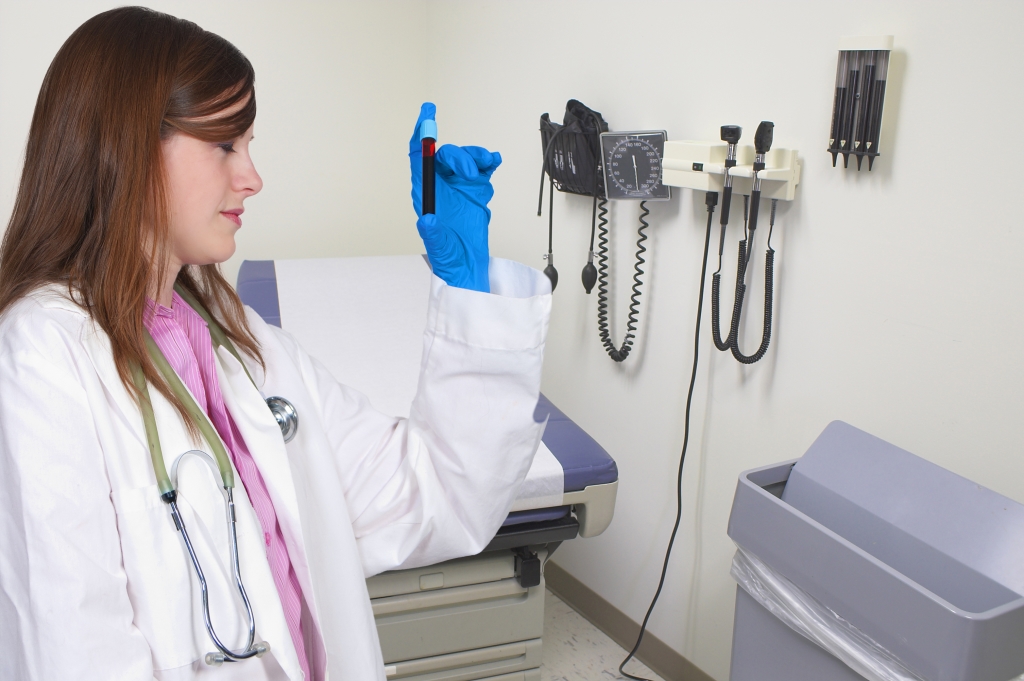
How to Become a Certified Phlebotomist: Your Complete Guide to Training and Certification
Embarking on a career as a certified phlebotomist is an excellent choice for individuals interested in healthcare, patient interaction, and contributing to vital medical diagnostics.Phlebotomists play a crucial role in collecting blood samples, which are essential for laboratory testing, diagnosis, and treatment. In this extensive guide,we’ll walk you through the process of becoming a certified phlebotomist,from training requirements to certification procedures. Whether you’re just starting your healthcare journey or seeking to expand your career options, this article will provide valuable insights to help you succeed.
Understanding the Role of a Phlebotomist
Phlebotomists specialize in drawing blood from patients safely and efficiently. Their responsibilities extend beyond blood collection to ensuring patient comfort, maintaining sterile techniques, and accurately labeling samples for laboratory analysis. This profession demands both technical skills and compassionate patient care, making it a highly rewarding medical career.
Reasons to Become a Certified Phlebotomist
- Growing job market: the healthcare sector continues to expand, increasing demand for skilled phlebotomists.
- Relatively short training: Certification programs can often be completed in a few months.
- Competitive salary: Certified phlebotomists enjoy attractive wages compared to many entry-level healthcare roles.
- Versatility: Opportunities exist in hospitals, laboratories, clinics, and mobile blood donation units.
Steps to Become a Certified Phlebotomist
1. Meet Basic education and Eligibility Requirements
Most phlebotomy training programs require applicants to have a high school diploma or GED. Some programs may also prefer or require prior healthcare experience, but this is not generally mandatory.
2. Choose an Accredited Phlebotomy training Programme
Selecting the right training program is essential.Look for programs accredited by organizations such as the National Accrediting Agency for Clinical Laboratory Sciences (NAACLS) or approved by state health departments. Accreditation ensures the program meets industry standards and adequately prepares you for certification exams.
3.Complete Your Phlebotomy training Program
Training typically involves both classroom instruction and hands-on clinical practice. Most programs cover subjects including anatomy and physiology, blood collection techniques, safety protocols, and patient interaction.
Average program length: 4 to 12 weeks
4. Gain Practical Experience
Clinical practice allows students to apply their skills under supervision, gaining confidence and competence in blood collection procedures, handling specimens, and maintaining safety standards.
5. Prepare for Certification Examination
After completing your training,you should prepare for a certification exam administered by recognized agencies like the American Society for Clinical Pathology (ASCP),National Center for Competency Testing (NCCT),or the American Medical Certification Association (AMCA).
Planning tips:
- Review course materials and practice tests
- Attend study groups or review courses
- Understand your state’s specific requirements
6. pass the Certification Exam
The examination typically includes a written portion testing your knowledge of blood collection procedures, safety protocols, and patient care. Some certifications also require demonstration of practical skills.
7. Obtain Your Certification and Licensure
Upon passing the exam, you’ll receive your certification credential. Some states also require licensure or registration for phlebotomists, so check local regulations.
Certification Options and Requirements
Here is a comparison table summarizing popular certifying organizations and their basic requirements:
| Organization | Eligibility | Exam Format | Renewal |
|---|---|---|---|
| ASCP (American Society for Clinical Pathology) | Minimum 40 hours training + 20 prosperous sticks | Written & Practical | Every 3 years, 36 CEHs required |
| NCCT (National Center for Competency Testing) | High school diploma or GED + 30+ blood draws | Multiple choice | every 3 years, renewal required |
| AMCA (American Medical Certification Association) | Completion of approved training program | Multiple choice & skills demonstration | Every 2 years, renewal required |
Benefits of Certification
- Enhanced employability: Certified phlebotomists have better job prospects and higher earning potential.
- Professional credibility: Certification validates your skills and knowledge in blood collection and patient care.
- Career advancement: Certification can serve as a foundation for specialization in areas like donor phlebotomy or laboratory assistant roles.
- Increased patient trust: Certification assures patients and employers of your competence and professionalism.
Practical Tips for Aspiring Phlebotomists
- Gain hands-on experience: Volunteer or seek internships to build confidence and real-world skills.
- Stay updated: Keep abreast of the latest techniques, safety protocols, and regulations in phlebotomy.
- Develop soft skills: Good interaction, empathy, and patience are vital for patient interactions.
- Network with professionals: Join associations like the National Healthcareer Association (NHA) to access resources and job opportunities.
Case Study: From Novice to Certified Phlebotomist
Jane Doe, an aspiring healthcare professional, decided to become a certified phlebotomist to enter the medical field swiftly. She enrolled in a 6-week accredited training program, gained practical experience during clinical rotations, and studied diligently for her certification exam. After passing the exam, she secured a job at a local hospital, where her certification and skills allowed her to perform blood draws confidently.Today, Jane is pursuing further certifications, leveraging her foundational knowledge to advance her healthcare career.
Conclusion
Becoming a certified phlebotomist is a rewarding pathway into the healthcare industry, offering a blend of technical skill, patient interaction, and professional growth. By following the structured steps outlined in this guide—selecting an accredited training program, gaining hands-on experience, and earning certification—you can establish a successful career as a certified phlebotomist. remember, continuous learning and dedication are key to excelling in this vital medical profession.
If you’re passionate about helping others and eager to join a dynamic healthcare team, now is the perfect time to start your journey toward becoming a certified phlebotomist!