How to Become a Certified Phlebotomist: Yoru Complete Guide to Certification, Skills, and Job Opportunities
Embarking on a career as a certified phlebotomist can be an exciting and rewarding choice for those interested in healthcare, patient interaction, and laboratory work. Wiht the demand for qualified blood collection specialists growing steadily, understanding the steps to becoming certified can open doors to numerous job opportunities. In this complete guide, we will walk you through the certification process, essential skills, practical tips, and the promising job market for certified phlebotomists.
Introduction
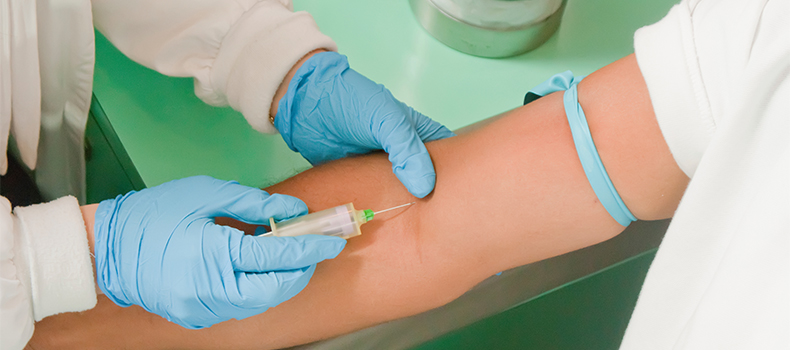
Phlebotomy is a crucial healthcare profession involved in collecting blood samples for testing,transfusions,or donations. Certified phlebotomists play a vital role in patient care, laboratory accuracy, and disease diagnosis. Weather you’re starting a new career or seeking to advance in healthcare, obtaining certification can enhance your job prospects, earning potential, and professional credibility.
Why Become a Certified Phlebotomist?
- Increased job prospects: Many healthcare facilities prefer or require certification.
- Higher earning potential: Certified professionals tend to earn more then non-certified counterparts.
- Skill validation: Certification demonstrates your competency and commitment.
- Professional growth: Qualifications for advanced certifications and specialized roles.
Understanding phlebotomy Certification
What Is Phlebotomy Certification?
Phlebotomy certification is a credential awarded by recognized certifying agencies after verifying that you meet specific training, education, and competency standards. Certification proves you have the necessary skills to safely and effectively perform blood draws and handle patient interactions.
Benefits of Certification
- Recognized professional credential
- Enhanced credibility with employers and patients
- Compliance with state or employer requirements
- Opportunity for career advancement
Steps to Become a Certified phlebotomist
1. Meet Basic Educational Requirements
Most certification programs require a high school diploma or GED. Some programs may prefer or require related healthcare coursework or experience.
2. Complete a State-Approved Phlebotomy Training Program
Enrolling in a reputable training program is essential. These programs typically cover anatomy, blood collection techniques, safety protocols, and patient interaction skills.
3. Gain Practical Experience
- Complete an internship or clinical practice, often included in training programs
- Accumulate required hours of hands-on blood draws (varies by certification agency)
4. Pass the Certification Exam
register for and successfully pass the certification exam offered by reputable certifying bodies such as:
- American Society for Clinical Pathology (ASCP)
- National Healthcareer Association (NHA)
- American Medical Technologists (AMT)
- National Phlebotomy Association (NPA)
5. Maintain Certification
Most certifications require ongoing education or re-certification every two years to stay current with industry standards.
Certified Phlebotomist Skills and Qualifications
Core Skills Needed
- Excellent manual dexterity and hand-eye coordination
- Strong interpersonal and communication skills
- Attention to detail and accuracy
- Knowledge of safety and infection control procedures
- Ability to work under pressure and handle patient anxiety
Additional Qualifications
- Certification from recognized agencies
- CPR and first aid certification (often preferred or required)
- Knowledge of medical terminology
Job Opportunities for Certified Phlebotomists
Work Settings
- Hospitals and clinics
- Blood donation centers
- Physician offices
- Laboratories and diagnostic centers
- Mobile health services
Employment trends and Salary Expectations
The demand for certified phlebotomists is projected to grow steadily,driven by an aging population and increased need for diagnostic testing. According to the U.S. Bureau of Labor Statistics, the median annual wage for phlebotomists was approximately $36,000 as of 2022, with higher salaries in metropolitan areas and specialized settings.
Benefits and Practical Tips for Aspiring Phlebotomists
- Choose accredited training programs: Prioritize programs that are accredited by recognized bodies such as CAAHEP or NAACLS.
- Gather hands-on experience: Volunteer or seek internships to hone your blood collection skills.
- Prepare for the exam: Use practice tests and study guides specific to your certifying body.
- Develop patient empathy: Cultivate amiable communication to ease patient anxiety.
- Stay informed: Keep up with industry standards, safety procedures, and new techniques through continuing education.
Case Study: From Training to Career Success
Jane Doe, a certified phlebotomist, shares her journey: ”After completing a CAAHEP-accredited program and passing the ASCP exam, I secured a position at a large hospital. The certification boosted my confidence and credibility, helping me advance into supervisory roles within two years.” Her story highlights the importance of proper certification and ongoing professional development.
First-Hand Experience and Common Challenges
Many new phlebotomists face initial challenges such as patient resistance, tough veins, or managing stress during busy shifts. However, with practice and patience, these obstacles become manageable. Practical tips include maintaining a calm demeanor, practicing proper technique, and seeking mentorship from experienced colleagues.
Conclusion
Becoming a certified phlebotomist is an achievable goal for those passionate about healthcare and patient care. By completing accredited training, gaining practical experience, passing certification exams, and continuously developing your skills, you can build a successful career in this vital medical field. The demand for qualified phlebotomists remains strong, offering rewarding opportunities in diverse healthcare environments. Start your journey today and take the first step toward becoming a trusted blood collection specialist.
Ready to Start Your Phlebotomy Career?
Explore accredited phlebotomy training programs in your area and take the first step toward certification. Your healthcare career begins here!