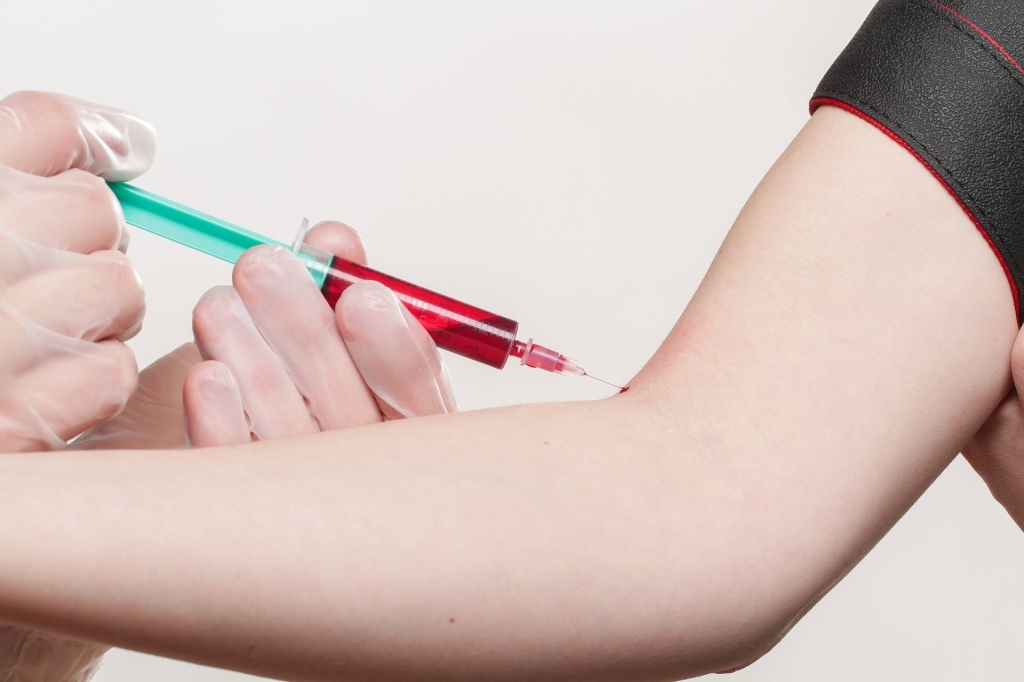
How to Become a Certified Phlebotomist: Step-by-Step Training guide for aspiring Medical Assistants
Are you interested in pursuing a rewarding career in the healthcare industry? If so, becoming a certified phlebotomist can be an excellent choice.Phlebotomists play a vital role in medical laboratories, hospitals, clinics, and diagnostic centers by collecting blood samples for testing and analysis. this guide provides a comprehensive, step-by-step overview on how to become a certified phlebotomist, ensuring you have all the essential information to embark on this career path confidently. Whether you’re a recent graduate, a career changer, or someone seeking to enhance your medical assistance skills, this article will help you understand the training requirements, certification process, benefits, and practical tips for success.
Why Choose a Career as a Certified Phlebotomist?
- High Demand: The healthcare industry consistently needs skilled phlebotomists, especially given aging populations and increased health screenings.
- Accessibility of Training: Entry into the field requires minimal educational prerequisites, making it an attractive option for many aspiring medical assistants.
- Competitive Salary: According to the U.S. Bureau of Labour Statistics,the median annual wage for phlebotomists is competitive within healthcare support roles.
- Career Growth: Certified phlebotomists can advance into supervisory roles or specialize further within medical laboratory sciences.
Step 1: meet Basic Eligibility Requirements
Before diving into phlebotomy training, ensure you meet the basic eligibility criteria:
- Educational Qualification: High school diploma or GED equivalent is typically required.
- Age: Must be at least 18 years old (age may vary by state or program).
- Background Check: Some programs require a clean criminal background, especially since the role involves working with vulnerable populations.
- medical Requirements: Must be in good health and capable of performing blood draws and handling medical equipment.
Step 2: Choose a Certified Phlebotomy Training Program
Enrolling in a reputable, certified training program is crucial to becoming a skilled and certified phlebotomist. Look for programs accredited by organizations such as the National Accrediting Agency for Clinical Laboratory Sciences (NAACLS) or The American Society for Clinical Pathology (ASCP).
Types of Training Programs
- Community colleges: Offer certificate and diploma programs tailored for aspiring medical assistants.
- Vocational schools: Focus on practical skills with hands-on training.
- Online courses: Provide flexible learning options complemented by in-person clinical practice.
When selecting a program, consider:
- Curriculum quality and comprehensiveness
- Availability of clinical practice hours
- Program accreditation
- Cost and duration
Step 3: Complete Required Training Hours and Practical Experience
Most certification bodies mandate completing a specific number of training hours and practical training components. Typical requirements include:
| Requirement | Details |
|---|---|
| Training Hours | Usually 40-120 hours, combining classroom instruction and hands-on practice |
| Clinical Practice | At least 20-40 hours working under supervision in a real healthcare setting |
| Skills Covered | Venipuncture, patient identification, specimen handling, safety protocols |
Practical experience is vital to gain confidence and develop proficiency in drawing blood, handling equipment, and maintaining safety standards.
Step 4: Obtain Certification
After completing your training, the next step is obtaining professional certification. certification enhances credibility, increases employability, and might potentially be required by employers or state regulations.
Popular Certification Options
- national Phlebotomy Certification (NHCPS): Offered by the National Healthcareer Association.
- Certified Phlebotomy Technician (CPT): Through the American Society for Clinical Pathology (ASCP).
- Phlebotomy Technician Certification (PBT): Via the National healthcareer Association (NHA).
Certification Exam Requirements
Most certifying agencies require:
- Completion of an accredited training program
- Minimum number of successful blood draws (frequently enough around 50-100)
- Passing the certification exam, which tests knowledge and practical skills
Preparing thoroughly with practice exams and review courses can boost your chances of passing on the first attempt.
Practical Tips for Aspiring Certified Phlebotomists
- Build Strong Communication skills: Interacting compassionately with patients reduces anxiety and builds trust.
- Practice Proper Safety Protocols: Always follow OSHA guidelines to prevent contamination and injuries.
- Seek Mentorship: Connect with experienced professionals for guidance and practical insights.
- Stay Current with Industry Standards: Attend workshops and keep your certification up-to-date.
Benefits of Becoming a Certified Phlebotomist
- Increased credibility and job prospects
- Higher earning potential
- Opportunities for career advancement within healthcare
- Personal fulfillment from helping patients during critical moments
Case Study: From Novice to certified Phlebotomist
Samantha, a recent graduate, decided to pursue phlebotomy after exploring various healthcare roles. She enrolled in a reputable training program, completed her clinical hours, and obtained her certification within three months. Today, Samantha works at a top hospital, drawing blood confidently and caring for patients. Her journey exemplifies how dedication, training, and certification open doors to rewarding medical careers.
Conclusion
Embarking on the journey to become a certified phlebotomist is a fulfilling way to enter the healthcare industry and make a difference in patients’ lives. By understanding the step-by-step process—from meeting eligibility requirements and choosing the right training program to obtaining certification—you can position yourself for a successful career as a trusted medical assistant specializing in blood collection. Remember, continuous learning, practical experience, and compassion are key elements to excelling in this field. Start today, and take the first step toward becoming a certified phlebotomist who contributes considerably to healthcare outcomes.